
Why Choose Us?
Advanced Equipment
German process equipment, each production line adopts the unified German process production standard, in line with SGS, BV and other quality management certification, standardized assembly and packaging, 27-person quality control team, 24-hour escort for product quality.
Rich Experience
IFAN factory started in 1993. And IFAN has workshop 120000 ㎡with 610 staff. In the past 30 Years, IFAN has never forgotten his mission-To protect health and safety.
Complete Range Of Products
IFAN can design and produce all plumbing pipe and fitting include PPR,PVC,CPVC PPSU HDPE PEXA PEXB PERT pipe and fitting ,brass fitting, brass ball valve ,heating system , gas system , sanitary faucets and hose.
High Quality Products
IFAN factory use best materials to produce high quality pipe and fittings with automatic production line and high tech quality control machines. The most important,IFAN can guarantee that all pipes and fittings manufactured by IFAN are qualified.
What Is Plastic Pipe
Plastic pipe is a tubular section, or hollow cylinder, made of plastic. It is usually, but not necessarily, of circular cross-section, used mainly to convey substances which can flow—liquids and gases (fluids), slurries, powders and masses of small solids. It can also be used for structural applications; hollow pipes are far stiffer per unit weight than solid members.
Plastic pipework is used for the conveyance of drinking water, waste water, chemicals, heating fluid and cooling fluids, foodstuffs, ultra-pure liquids, slurries, gases, compressed air, irrigation, plastic pressure pipe systems, and vacuum system applications.
-

HDPE Pipe in Agricultural Water Supply
Introduction Wastewater management systems require reliable piping to collect, convey, and discharge various types of liquid waste. HDPE pipes are widely used in urban, industrial, and rural Add to Inquiry -
HDPE Pipe For Wastewater Management Systems
Introduction Wastewater management systems require reliable piping to collect, convey, and discharge various types of liquid waste. HDPE pipes are widely used in urban, industrial, and rural Add to Inquiry -
HDPE Pipe Applications in Mining Industry
Slurry Handling Systems In mining operations, slurry transport is one of the most demanding processes. HDPE pipes are widely used to move slurry from extraction points to processing areas. The slurry Add to Inquiry -
HDPE Pipe For Irrigation Projects
Introduction Efficient water management is critical for agricultural productivity and sustainability. Irrigation systems are essential for optimizing water use in farming. High-Density Polyethylene Add to Inquiry -
HDPE Pipe Durability
Introduction High-Density Polyethylene (HDPE) pipes are essential components in modern infrastructure. Their durability, flexibility, and chemical resistance make them suitable for extreme Add to Inquiry -
Stress Resistance CPVC Pipe
Type: CPVC Pipe. Brand: IFAN. Connecting method:PVC Glue. Applications:Residential Plumbing,Industrial Piping Systems. Color:Beige/White or Customized Add to Inquiry -
CPVC Pipe Minimizes Heat Loss Significantly
Type: CPVC Pipe. Brand: IFAN. Connecting method:PVC Glue. Applications:Residential Plumbing,Industrial Piping Systems. Color:Beige/White or Customized Add to Inquiry -
Easy Installation CPVC Pipe
Type: CPVC Pipe. Brand: IFAN. Connecting method:PVC Glue. Applications:Residential Plumbing,Industrial Piping Systems. Color:Beige/White or Customized Add to Inquiry -
CPVC Pipe Resists Corrosion And Chemicals
Type: CPVC Pipe. Brand: IFAN. Connecting method:PVC Glue. Applications:Residential Plumbing,Industrial Piping Systems. Color:Beige/White or Customized Add to Inquiry -
Application Of PPR Pipes in Medical Equipment
Type:PPR Pipe. Color:Green,White,Yellow,Grey,Blue,Brown,Black Or Customized. Brand:IFAN/IFANPLUS/OEM/No Brand. Connecting method:Hot Melt. Applications:Water Supply. Experience;30+years. Add to Inquiry -
PPR Pipes Are Used in Bathrooms And Kitchens
Type:PPR Pipe. Color:Green,White,Yellow,Grey,Blue,Brown,Black Or Customized. Brand:IFAN/IFANPLUS/OEM/No Brand. Connecting method:Hot Melt. Applications:Water Supply. Experience;30+years. Add to Inquiry -
PPR Pipe Antifreeze Ability
Type:PPR Pipe. Color:Green,White,Yellow,Grey,Blue,Brown,Black Or Customized. Brand:IFAN/IFANPLUS/OEM/No Brand. Connecting method:Hot Melt. Applications:Water Supply. Experience;30+years. Add to Inquiry


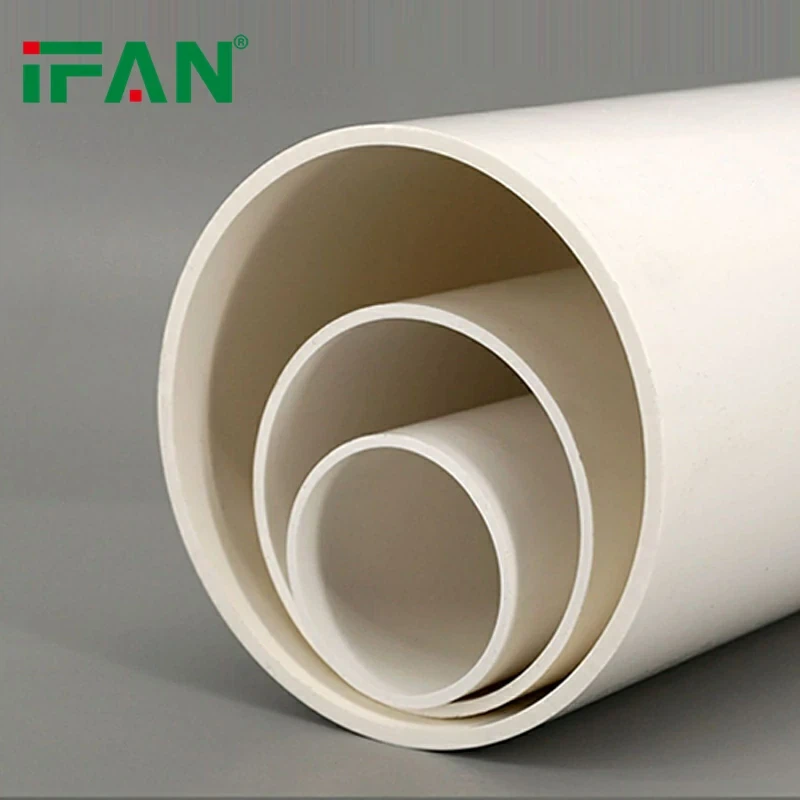


Why Use Plastic Pipe for Water Lines
One of the biggest is that plastic is easy to cut and form into any shape or size needed, even on jobsites, which reduces the amount of labor required to install them. Other benefits of plastic pipe for water lines include:
● Non-reactive: A common issue with metal piping is that, when two dissimilar types are connected, they can react with one another and corrode. This isn't an issue with plastic pipes for plumbing, which are resistant to chemical corrosion.
● Corrosion Resistant: Many metals begin to rust after extensive contact with water and other fluids. Plastic will not, and it can even be specially formulated to meet the demands of the system they'll be an important part of.
● Low Heat Conductivity: Many types of plastic piping can handle a wide range of temptures without warping or cracking. At the same time, their low conductivity helps maintain the tempture of the water inside without creating condensation like copper pipes are prone to do (if not insulated).
● Color-coded & Marked: Plastic pipes for plumbing will almost always be distinguished by color and have marks on the outside to denote diameter, pressure rating and type of plastic. In some cases, plastic pipes will also have a laboratory seal to signal that they can be used for potable water. This makes it easy to identify the type and purpose of the pipe so you can replace it, if necessary.
4 Types of Plastic Pipes and How They Differ
Learn about the four most popular plastic pipes in use today, along with the unique advantages of each pipe type.
Polyvinyl Chloride (PVC)
Polyvinyl chloride pipes are among the most common plastic pipes today. PVC pipes are affordable and durable and can stay in good condition as long as 70 years without developing rut or corrosion. This pipe type is recyclable when it reaches the end of its lifespan, which makes it an environmentally friendly material.
In addition, unlike some plastic pipe types, PVC pipes contain no bisphenol A (BPA), so they can create home water lines with little worry that the water that flows through them will become contaminated with this.
These pipes are also versatile and easy to work with. PVC pipe sections can join together with a variety of pipe fittings, glues, and cements.
Chlorinated Polyvinyl Chloride (CPVC)
Chlorinated polyvinyl chloride (CPVC) pipes are PVC pipes with a special chlorinated coating. This chlorinated coating increases the durability of the pipes by increasing their heat resistance. For this reason, CPVC pipes can repair and create drinking water lines, including hot water lines, without the worry that the pipes will become brittle over time with exposure to high heat.
Cross-Linked Polyethylene (PEX)
Cross-linked polyethylene (PEX) pipes are one of the newest types of plastic pipes available today.
This pipe material is much more flexible than PVC and other plastics that create pipes, so PEX piping installation is often quicker and easier than installation of other pipe types. The extreme flexibility of PEX allows plumbers to run long lines of PEX pipe throughout a home with the need for very few pipe connection sites.
PEX pipes can bend up to 90-degree angles when necessary, while more rigid pipes typically need to be joined together with fittings to create curves and bends in plumbing lines.
PEX pipes are naturally heat-resistant, and this pipe type is less likely to burst during the winter when water freezes inside of it than many other pipe types.
Acrylonitrile Butadiene Styrene (ABS)
Acrylonitrile butadiene styrene (ABS) pipes are another modern, plastic pipe option. While slightly less rigid than PVC pipes, ABS pipes are extremely strong. In addition, water that flows through ABS pipes makes little noise due to the noise-dampening effect of these pipes.
ABS pipes are also often quicker to install than PVC pipes, because ABS pipe sections do not need priming as PVC pipe sections do before they are joined together.
ABS pipes are resistant to extreme weather conditions, including UV light exposure and cold temptures. For this reason, ABS pipes are often used in outdoor plumbing applications.
The Necessity of Precise Cutting of Plastic Pipes


Within industrial settings, precise cutting of plastic pipes transcends preference, emerging as an absolute necessity.
The accuracy of cuts profoundly influences the integrity and functionality of entire piping systems.
Here's why precision cutting is paramount:
● Leak Prevention: Deviations from precise measurements can result in ill-fitting joints, predisposing the system to leaks. In industries handling hazardous substances, even minor leaks can pose significant risks to safety and the environment.
● Optimal Flow: Properly cut plastic pipes guarantee uninterrupted fluid flow, devoid of obstructions or blockages. Irregular cuts or rough edges can impede flow, compromising process efficiency and increasing energy consumption.
● Enhanced Structural Integrity: Well-cut plastic pipes maintain structural integrity, effectively withstanding internal and external pressures. This attribute is critical in industries where pipes are subjected to fluctuating temptures, pressures, and mechanical stresses.
● Professional Appearance: Precision cutting contributes to the aesthetic appeal of installations. Neatly aligned joints and uniformly trimmed pipes not only exude professionalism but also simplify maintenance and inspection tasks.
Pros of Plastic Pipe
● Plastic pipes aren't as susceptible to corrosion as metal pipes are. If your water quality is somewhat acidic, it can take a toll on metal pipes, wearing them away until pinholes and leaks appear. PVC pipes, for example, stand up better to acidic water.
● Plastic is flexible under water pressure, which can reduce or eliminate any knocking sounds in your pipes.
● Plastic pipes are much easier to install because they're lighter than metal pipes and don't require metal soldering at joints.
● The expected lifespan of plastic piping is between 40-80 years, depending on the specific material used.
● Plastic is much less expensive (than copper, for instance).
Application of Plastic Pipe
Plastic Pipe For Water Plumbing
The plastic pipes have been widely used in water plumbing and pipes. It is the largest industry in plastic pipe applications by quantity and weight mass. The plastic pipes were first used in the management of water and were further integrated into modern society and infrastructure. Plastic pipes are available in various dimensions, lengths, and sizes. The pipes are used to supply water in different areas like buildings, industries, facilities, and equipment.
Plastic pipes are produced, modified, and regulated strictly. Most often, the process is overseen by the government or independent authorities. These authorities have set standards that guide the production process on the quality of material used when used in handling water. These regulations contribute to the continued use of plastic pipes as a non-toxic, long-lasting, and safe material for transporting drinking water, non-drinking water, and processed water.
Other services and plumbing codes regulate the appropriateness of the plastic pipes for particular water installations. All the above applications of the plastic pipes are applicable only for water delivery up to a particular tempture. Due to the low-tempture threshold, the plastic pipes cannot be used for heated water delivery.
Plastic Pipe For Waste Handling And Control
Plastic pipes are most frequently used in waste management and control. They are used for waste management in various places, like commercial buildings, industrial areas, modern societal infrastructure, and so on. Plastic pipes are installed in wastewater transportation, swears, drains, vents connected to different buildings and equipment.
Plastic pipes are installed in toilets, sinks, and liquid handling devices that are used in drains, vents, and waste (DWV) management. Plastic pipes are useful in DWV applications because they have synthetic properties such as resistance to corrosion, rust, and microbiological layer growth, as well as improved plasticity and bend strength. Therefore, they have an upper hand over the other metal piping and can benefit from inventing, managing, and waste control.
Plastic Pipes For Rainwater Management
Plastic pipes are at the forefront in facilitating the rainwater harvesting system. The plastic pipes provide an ideal solution for the maintenance and distribution of the rainwater. The rainwater is carried from the rooftop through the plastic pipes down into a storage or harvesting system. The fitting material that is used to connect the channel has special sockets so that they can be fitted easily and avoid leakage. The plastic pipes provide an advantage over the iron pipes that rust easily. They also come in various sizes and can be installed easily based on the need for the harvesting system. The high-quality plastic pipes ensure that there is no crack or bend in the system and have a UV stabilizer.
Plastic Pipes For Agriculture
Agriculture is one of the largest and important sectors and is incomplete without plastic pipes. Plastic pipes are used for all important functions of agriculture from bore-well to water irrigation, sprinklers and spraying of pesticides and fertilizers. Agricultural pipes are used for irrigation and pest control activities at farms. Plastic pipes are resistant to all sorts of chemicals, corrosion, soil and fire. This makes them the best fit to be used for the transportation of pesticides and fertilizers into a farm. Agricultural pipes are very, do not require any maintenance and in optimum conditions last for more than long-term durability according to standards.
Plastic Pipe For Fire Sprinklers
The plastic pipes have been approved to be used in the case of a light-hazard and multipurpose sprinkler system. Plastic pipes are commonly used in the fire sprinkler system set up in public places like museums, theatres, libraries as well as in hotels, offices, and private buildings. The plastic pipes are immune to corrosion, scale, or any microbiological layer formation that leads to them being durable, low in maintenance as opposed to the traditional iron pipes. The plastic pipes used in the fire sprinkler system are not combustible and do not contribute to flashover. Plastic pipes are light in weight, can be easily assembled in a small space, and offer non-corrosive properties.
Plastic Pipes For Industrial Use
Plastic pipes have proven to be beneficial for use in the industrial sector. Piping can handle a wide range of substances, from cold water to the transport of hazardous chemicals. The property of high resistance to corrosion of the plastic pipes makes them extremely useful in industrial settings. The piping system for industrial use is required to be robust to endure the rough environment to carry chemicals or harmful waste. Thus, the plastic pipes meet this requirement and provide safe transportation for most of the substances in the industry.
Plastic Pipe For Chemical Handling
The product used for handling chemicals and industrial substances varies depending on the type of chemical, its compatibility with the chemical, and its tolnce. The plastic pipes are efficient in handling particular types of chemicals, as opposed to metal pipes. The long polymeric chains of plasticoffers a high material resistance against degradation, chemical attack, and corrosion. The chlorine content in plastic makes it fire resistant and does not allow the flames to spread. Therefore, plastic pipe and plumbing are frequently applied for use in handling chemicals as well as their transfer, production, delivery, and processes. The plastic pipes can be used to transport chemicals like alcohols, organic acids, anhydride acids, hydrocarbons, halogens, oxidising acids, salts, inorganic acids, alkalis, and ammonia.
Plastic Pipes For Fittings
The latest plastic pipes and fittings have proven to be useful in almost all areas because they offer a wide range of pipes, valves, and fittings. There are a huge number of connections that can be made using the plastic pipes as they are available in various forms like straight pipes, branch pipes, t-shaped pipes, and bracketed pipes. Thus, plastic pipes provide a multipurpose system without any cracks that are easy to install.
Plastic pipe fittings can be used to make high-performance piping systems. They can help to connect the new units with the older ones using the latest materials to renovate the pipe network at the same time, helping to maintain complete system integrity.
Plastic Pipe For Building Infrastructure And Structural Material
Plastic pipes have been increasingly used in infrastructure and building materials over the past few years. The plastic pipes are an inexpensive and better substitute for wood and other types of building materials. The plastic pipes' topmost use for building infrastructure is in the exhaust and air ventilation. In the construction of an air ventilation system, plastic pipes are installed in the ducts of the heating systems, air conditioning systems, and ventilation.
Plastic Pipe For Coatings And Cable Insulation
Plastic pipes are a bad conductor of current and electricity. Therefore, they are used in coating and cable insulation for electric wires, cables, circuitry, and components. Many common wires and electrical elements in today's electronics pass through a plastic conduit pipe. The plastic pipes are used to defend against human or environmental exposure, electrical short circuits, overheating, and any other kind of dangerous situations that can come up in the case of handling electricity.
Advantages of Plastic Pipes in Domestic Plumbing
Mostly hidden behind walls, beneath floors and within cupboards, domestic plumbing systems are easy to overlook. To ensure every part of the system can stand up to the demands of modern living – from reliably delivering clean water through to preventing leaks – the choice of material is an important factor.
Underpinning efficient performance by facilitating the smooth flow of water, plastic pipes can also provide unrivaled flexibility and make installations quicker and easier. All of this is thanks to the properties of plastic, which make it resistant to corrosion, but also lightweight and easy to handle.
In domestic settings – including new build and multi-occupancy homes – where space is increasingly at a premium, the advantages of plastic pipes and fittings have meant that they have become a firm favourite amongst professional installers, contributing to consistently high quality on every job.
Durability is an essential considtion for domestic systems and is a factor that is underpinned by material choice. Unlike alternative materials, plastic is resistant to rust and corrosion, enabling them to efficiently deliver clean water throughout their entire lifespan.
Once installed, these pipes will serve the occupants of domestic properties for decades to come – something which not only improves comfort and convenience, but also contributes to sustainability. Plastic pipes also require less energy to manufacture than alternative materials making them a smart choice for every home. Plus, for greater peace of mind, some products are backed by a guarantee.
For installers who choose plastic pipes on their installations, one of the biggest differences they'll notice is the ability to install longer pipe runs with fewer connections. Typically, the majority of leaks originate from incorrectly installed connections so, by reducing them in volume with the use of longer runs of plastic pipe, installers can reduce the potential for leaks to occur in the future.
Alongside reducing the chances of leaks occurring in the future, the need to make fewer connections also makes installations faster and smoother for installers, saving them – and their customers – time and money on every job.
Alongside the ability to make fewer connections, another advantage of plastic pipes is that they can also aid the simplicity of installations. While plastic pipe can provide the rigidity needed for a reliable system, it can also deliver the flexibility to navigate the corners and tight spots which are common in domestic settings.
Lighter and easier to handle and install, plastic pipes can be used by installers to exceed customer expectations, creating strong, reliable and future-proof systems quickly, easily and sustainably.
Our Factory
IFAN factory started in 1993. And IFAN has workshop 120000 ㎡with 610 staff. IFAN can design and produce all plumbing pipe and fitting include PPR,PVC,CPVC PPSU HDPE PEXA PEXB PERT pipe and fitting ,brass fitting, brass ball valve ,heating system , gas system , sanitary faucets and hose, In the past 30 Years, IFAN has never forgotten his mission-To protect health and safety. And IFAN factory use best materials to produce high quality pipe and fittings with automatic production line and high tech quality control machines. The most important,IFAN can guarantee that all pipes and fittings manufactured by IFAN are qualified.


Our Certificates

FAQ
We're professional plastic pipe manufacturers and suppliers in China, featured by good service and competitive price. Please rest assured to buy or wholesale high quality plastic pipe for sale here from our factory. Contact us for free sample.
