
Why Choose Us?
Advanced Equipment
German process equipment, each production line adopts the unified German process production standard, in line with SGS, BV and other quality management certification, standardized assembly and packaging, 27-person quality control team, 24-hour escort for product quality.
Rich Experience
IFAN factory started in 1993. And IFAN has workshop 120000 ㎡with 610 staff. In the past 30 Years, IFAN has never forgotten his mission-To protect health and safety.
Complete Range Of Products
IFAN can design and produce all plumbing pipe and fitting include PPR,PVC,CPVC PPSU HDPE PEXA PEXB PERT pipe and fitting ,brass fitting, brass ball valve ,heating system , gas system , sanitary faucets and hose.
High Quality Products
IFAN factory use best materials to produce high quality pipe and fittings with automatic production line and high tech quality control machines. The most important,IFAN can guarantee that all pipes and fittings manufactured by IFAN are qualified.
IFAN Valve Types
Ball valves (water, gas), angle valves (water, gas), gate valves, globe valves, check valves, thermostatic valves, filter valves, water meter valves, float valves, engineering valves, mini valves, gas cylinder valves, solenoid valves, pressure reducing valves, hydraulic ball valves, needle valves, etc.
Zhuji Fengfan Piping Co.,LTD
One-stop service, one-stop shopping.
20+Years
OEM experience
50+
Number of R&D employees
30
Production lines
3000m²
Office area
120000m²
Factory area
610
Staff on active duty
-

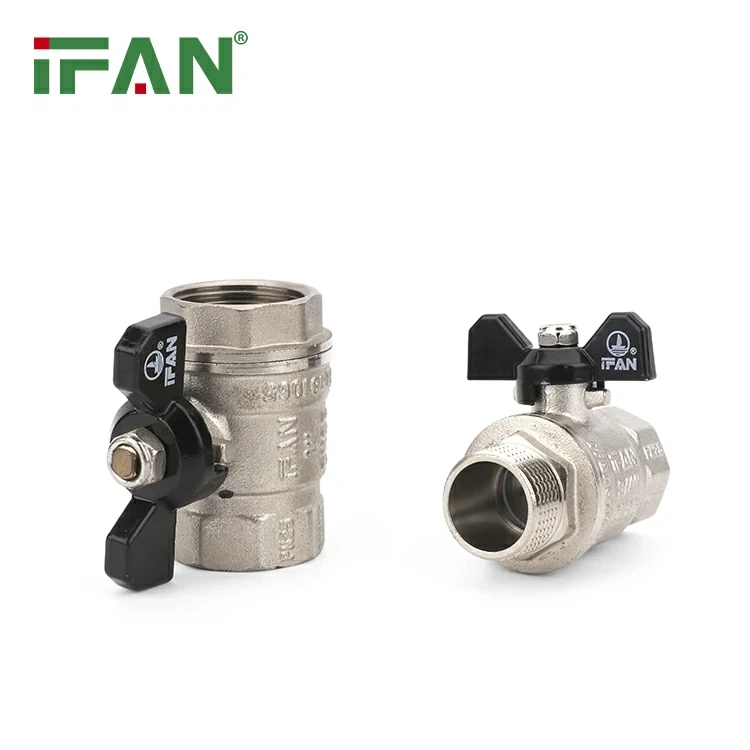
Brass Ball Valves For Gas Lines
Type:Brass Ball Valve. Brand: IFAN. Connecting method:Thread. Applications:Potable Water Systems. Add to Inquiry -
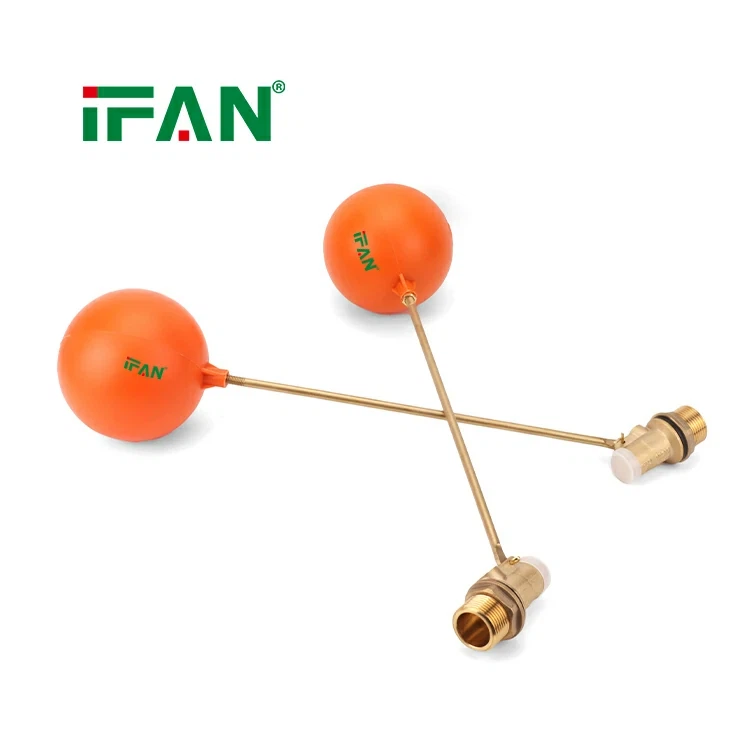
Plastic Float Valve For Waste Management
Type:Plastic Float Valve. Brand:IFAN. Connecting method:Thread. Applications:Water Systems. Add to Inquiry -
Plastic Float Valve For Precise Flow Control
Type:Plastic Float Valve. Brand:IFAN. Connecting method:Thread. Applications:Water Systems. Add to Inquiry -
Plastic Float Valve For Tank Overflow Protection
Type:Plastic Float Valve. Brand:IFAN. Connecting method:Thread. Applications:Water Systems. Add to Inquiry -
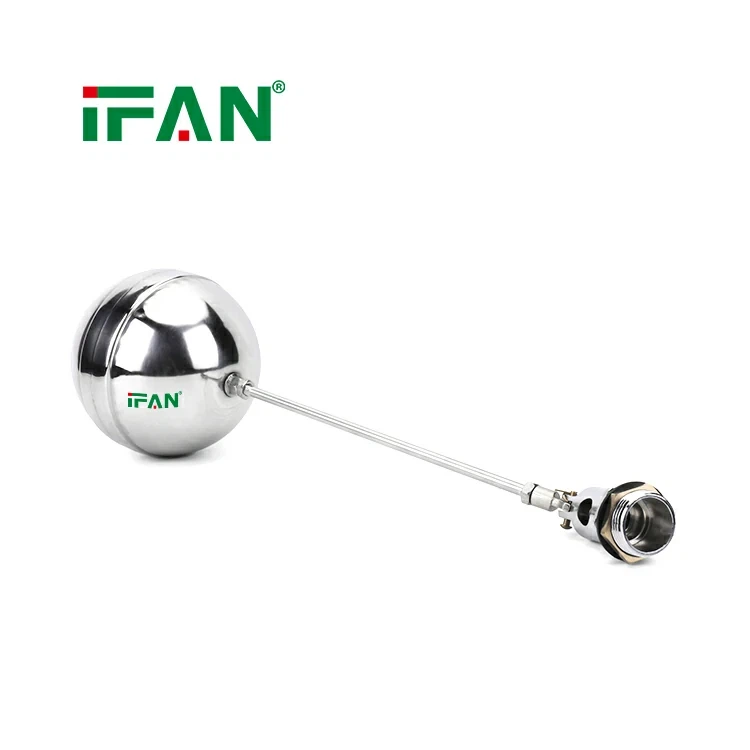
Stainless Steel Float Valve Level Control
Type:Stainless steel float valve. Brand:IFAN. Connecting method:Thread. Applications:Water Systems. Add to Inquiry -
Stainless Steel Float Valve Heat Tolerance
Type:Stainless steel float valve. Brand:IFAN. Connecting method:Thread. Applications:Water Systems. Add to Inquiry -
Stainless Steel Float Valve Industrial Regulation
Type:Stainless steel float valve. Brand:IFAN. Connecting method:Thread. Applications:Water Systems. Add to Inquiry -
Stainless Steel Float Valve Automatic Control
Type:Stainless steel float valve. Brand:IFAN. Connecting method:Thread. Applications:Water Systems. Add to Inquiry -
Stainless Steel Float Valve Corrosion Resistance
Type:Stainless Steel Float Valve. Brand:IFAN. Connecting method:Thread. Applications:Water Systems. Add to Inquiry -
Ball Valve Brass Used In Chemical Processing
Type:Brass Ball Valve. Brand:IFAN. Connecting method:Thread. Applications:Water Systems. Add to Inquiry -
Ball Valve Brass Perfect For Marine Applications
Type:Brass Ball Valve. Brand:IFAN. Connecting method:Thread. Applications:Water Systems. Add to Inquiry -
Ball Valve Brass Preferred For Water Supply
Type:Brass Ball Valve. Brand:IFAN. Connecting method:Thread. Applications:Water Systems. Add to Inquiry






Types of Brass Ball Valves
Brass ball valves may be classified according to their housing assembly, ball design, and bore profile.
One-Piece Ball Valve
A one-piece ball valve has a single-piece cast body that houses the internal components of the ball valve. This eliminates the risk of leakage of the fluid from the valve. One-piece ball valves are the cheapest ball valves and always have a reduced bore.
Split Body Ball Valves
Split Body Ball Valves are valves that are assembled on the sides of their balls. A split body ball valve may be a two-piece or a three-piece ball valve:
● Two-Piece Ball Valve
A two-piece ball valve consists of housing divided into two pieces that are fitted together. The main piece contains the ball and a connection to one end, and the other piece holds the internal components together and has a connection to the other end. Two-piece housing is the most common type among ball valves. The two parts can be dismantled for cleaning, maintenance, and inspection but it requires removal of the valve from the pipe.
● Three-Piece Ball Valve
A three-piece ball valve consists of the housing for the internal components of the valve which are fitted and held together by bolt connections to its two ends. The ends are threaded or welded to the main pipe.
Three-piece ball valves are used for applications that require a valve that can be cleaned and serviced easily. The seats and seals of three-piece ball valves can be routinely replaced by taking the valve body out without disturbing the two ends. Three-piece ball valves are commonly used in the food and bevge and pharmaceutical industries where sanitation is crucial to safety and product quality.
Angle Valves (Water, Gas)
Brass Angle valves are quarter-turn valves featuring a 90-degree inlet-to-outlet design. Primarily used for controlling the flow of water or gas, they are common in household plumbing (e.g., under sinks, toilets), industrial piping at directional changes, and gas lines. Their L-shaped body eliminates the need for an additional elbow fitting, saving space and simplifying installation. Operation is typically via a lever or knob, which rotates a internal ball or plug to open or close the flow path. They offer quick, reliable on/off service with minimal pressure drop when open. Their compact and robust design makes them ideal for applications where space is constrained and reliable shut-off is required.
Gate Valves
Brass Gate valves are primarily designed for isolating fluid flow in a pipeline, not for regulating it. They operate by lifting a rectangular "gate" or wedge completely out of the flow path, providing a full-bore opening that results in very low flow resistance and pressure drop. This straight-through flow path is their key characteristic. They are commonly used in water supply, oil, and gas industries for on/off service. Due to their design, they should be either fully open or fully closed; throttling flow can cause vibration and damage to the gate and seats. Their operation is slow, preventing water hammer, and they are not suitable for frequent operation.
Globe Valves
Brass Globe valves are essential for regulating or throttling flow in a pipeline. Their distinctive spherical body shape houses a plug or disc that moves perpendicularly to the seat, precisely controlling the flow rate. This design creates a higher pressure drop compared to gate valves but offers excellent flow control. The flow direction typically changes course within the valve, entering below the seat and exiting above it. They are widely used in applications where flow adjustment is critical, such as cooling water systems, fuel oil systems, and chemical feed lines. While they can be used for isolation, their primary strength is their throttling capability and positive shut-off.
Check Valves
Brass Check valves, or non-return valves, are automatic safety devices that permit fluid flow in only one direction, preventing potentially damaging backflow. They operate based on the pressure of the flowing fluid; forward pressure opens the valve, while reverse pressure closes it. Common types include swing check, lift check, and ball check valves. They are crucial in protecting pumps and compressors from reverse flow and are found in virtually all fluid systems, from domestic water lines to complex chemical processing plants. Their self-actuating nature requires no manual intervention, making them a fundamental component for system integrity and safety.
Thermostatic Valves
Thermostatic valves are self-operating control valves that automatically regulate fluid flow based on temperature. They contain a thermal actuator filled with a temperature-sensitive material (like wax or a liquid) that expands or contracts to position the valve stem. This modulates the flow to maintain a desired temperature setpoint. They are most famously used in thermostatic radiator valves (TRVs) in heating systems, controlling room temperature for comfort and energy efficiency. Other applications include domestic hot water recirculation, solar thermal systems, and industrial process temperature control, offering automated, energy-saving temperature management.
Filter Valves
Filter valves are integrated units that combine a filtration element (strainer) with a valve, typically a ball or gate valve, for isolation. Their primary function is to remove solid particulates (debris, sediment, scale) from a liquid or gas stream while allowing for easy maintenance. The fluid passes through a screen or mesh, which traps contaminants. The integrated valve allows the filter unit to be isolated from the system for cleaning or screen replacement without draining the entire pipeline. They are essential components in protecting sensitive downstream equipment like pumps, meters, and control valves from damage caused by impurities in water, fuel, and other fluids.
Water Meter Valves
Water meter valves are specialized valves installed directly before and after a water meter. The primary valve, usually a gate or ball valve located on the inlet side, serves as the main isolation point for the meter. This allows for the meter to be shut off for installation, maintenance, or replacement. A smaller valve, often a ball or needle valve, is sometimes installed on the outlet side for testing and purging purposes. These valves are crucial for water utility management, enabling accurate billing and efficient control of the water supply to a property. They are designed for durability and reliable long-term service.
Float Valves
Float valves are automatic control valves that maintain a specific liquid level in a tank or reservoir. They operate via a buoyant float connected to a valve mechanism. As the liquid level rises, the float lifts, eventually closing the valve to stop inflow. When the level drops, the float falls, opening the valve to allow more liquid in. This simple mechanical feedback loop is highly effective and reliable. Common applications include toilet cisterns, water storage tanks, industrial cooling towers, and agricultural irrigation tanks. They provide a simple, cost-effective, and autonomous method for level control without requiring external power.
Engineering Valves
"Engineering Valves" is a broad term for high-performance valves designed for demanding industrial applications. These are not standard off-the-shelf products but are often custom-engineered or selected for severe service conditions involving extreme pressures, temperatures, corrosive or abrasive media. This category includes specialized gate, globe, check, and ball valves made from advanced materials like stainless steel, alloys, or ceramics. They are used in power generation, oil & gas refining, chemical processing, and pharmaceutical industries. Their design prioritizes reliability, safety, and longevity under conditions where standard valves would fail.
Mini Valves
Brass Mini valves, also known as miniature valves, are compact valves designed for applications with strict space limitations or for controlling very low flow rates. Common types include mini ball valves, needle valves, and check valves. They are frequently made from brass, stainless steel, or plastics like PPL. Their small size and precise control make them ideal for instrumentation systems, analytical equipment, chemical dosing, laboratory apparatus, semiconductor manufacturing, and compact pneumatic/hydraulic circuits. Mini valves provide the same fundamental functions as their larger counterparts—on/off service, flow regulation, or check action—in a greatly reduced footprint.
Gas Cylinder Valves
Gas cylinder valves are specialized valves mounted on high-pressure gas cylinders to control the release of their contents. They are critical safety devices designed to withstand very high pressures. The most common type is a stem-operated valve, where turning a handwheel opens or closes the outlet. They often incorporate safety features like pressure relief devices (rupture discs) and may have specific thread connections (e.g., CGA in the US) to prevent the misuse of incompatible gases. Materials are chosen based on the gas service (e.g., brass for inert gases, stainless steel for corrosives). Their safe operation is paramount in industrial, medical, and laboratory settings.
Solenoid Valves
Solenoid valves are electromechanically operated devices that use an electric current to control the flow of a fluid. An electrical coil (solenoid) generates a magnetic field when energized, which moves a plunger to open or close the valve orifice. They provide fast and reliable on/off or switching control and are easily automated by connecting them to controllers like timers or thermostats. Common types are 2-way (on/off) and 3-way (diverting flow). They are ubiquitous in automation systems for water, air, oil, and steam, found in applications ranging from irrigation systems and washing machines to industrial machinery and medical equipment.
Pressure Reducing Valves
Pressure Reducing Valves (PRVs) are automatic control valves designed to maintain a steady, lower downstream pressure regardless of fluctuations in the upstream pressure or flow demand. They are self-operating, using a diaphragm or piston sensing the downstream pressure to modulate the valve opening. If the downstream pressure rises, the valve closes slightly; if it falls, the valve opens. This protects downstream equipment, prevents water hammer, reduces water consumption, and ensures safe operation in systems like domestic water supply, fire sprinkler systems, and steam lines. They are essential for maintaining consistent pressure in branched distribution networks.
Hydraulic Ball Valves
Hydraulic ball valves are robust quarter-turn valves designed specifically for high-pressure hydraulic systems. They feature a rotating ball with a bore to block or allow flow. Built to withstand the extreme pressures and potential shock loads common in hydraulic applications, they are typically made from high-strength steel or stainless steel with robust seals like PTFE or NBR. They offer low torque operation, excellent seal integrity, and minimal pressure drop when open. These valves are used for isolation in hydraulic power units, construction machinery (excavators, presses), and industrial manufacturing equipment where reliable, leak-free operation under high pressure is critical.
Needle Valves
Needle valves are designed for precise flow regulation, particularly in systems with low flow rates. Their name comes from a long, tapered, needle-like plunger that fits precisely into a small seat. This design allows for very fine, gradual control over the flow area by making multiple turns of the handle. The fine threads on the valve stem enable precise adjustments. They provide excellent shut-off capability and are characterized by a relatively high pressure drop. Needle valves are commonly used in instrument hookups, gauge isolation, sampling lines, metering applications, and anywhere precise flow control or calibration is required in gas or liquid service
Why Is Brass Used in Ball Valves
Brass is a popular choice for valve material because it has sevl properties that make it well-suited for use in valve applications. Some of the reasons why brass is preferred for valves include:
Strength: Brass is a strong and durable material that can withstand high pressures and extreme temptures, making it suitable for use in valve applications.
Corrosion Resistance: Brass is resistant to corrosion, which makes it suitable for use in a variety of environments, including marine and coastal areas.
Machinability: Brass is easy to machine, which makes it easy to manufacture and customize valves to meet specific design requirements.
Cost: Brass is less expensive than other materials such as stainless steel, making it a cost-effective choice for valve applications.
Compatibility: Brass is compatible with a wide range of fluids, including water, oil, gas, and other fluids, making it suitable for use in a variety of industries and applications.
Advantages of Brass Ball Valves
Brass ball valve specifications and model advantages:
- The fluid resistance is small, and the full-bore ball valve basically has no flow resistance.
- Simple structure, small size and light weight.
- Close and reliable. It has two sealing surfaces, and the current sealing surface materials of ball valves are widely used in various plastics, which have good sealing performance and can achieve complete sealing. It has also been widely used in vacuum systems.
- Easy to opte, fast opening and closing, only need to rotate 90° from fully open to fully closed, which is convenient for remote control.
- Convenient maintenance, simple structure of the ball valve, genlly movable sealing ring, easy to disassemble and replace.
- When fully open or fully closed, the sealing surface of the ball and the valve seat is isolated from the medium. When the medium passes, it will not cause erosion of the valve sealing surface.
- It has a wide range of applications, with a diameter ranging from a few millimetres to a few meters, and can be applied from high vacuum to high pressure.
- Because the ball valve has the wiping property during the opening and closing process, it can be used in the medium with suspended solid particles.
Selecting the Right Brass Ball Valve
Choosing the appropriate brass ball valve for your specific needs requires considtion of sevl factors:
Valve size and end connections
Select a valve size compatible with your pipeline, and ensure the end connections match your existing system.
Material selection
Evaluate the compatibility of valve materials with the fluid being handled and the environmental conditions.
Pressure and tempture ratings
Ensure that the selected brass ball valve can withstand the pressure and tempture requirements of your application.
Flow control requirements
Determine the degree of flow control precision needed and choose the appropriate brass ball valve type (full bore, V-port, etc.).
We're professional brass ball valve manufacturers and suppliers in China, featured by good service and competitive price. Please rest assured to buy or wholesale high quality brass ball valve for sale here from our factory. Contact us for free sample.
CPVC Ball Valve, PVC Female Tee, Male Socket PPR