Material Selection
Workers choose high-quality brass for durability. This material resists corrosion and high pressure. They store the raw materials in a clean area.
Manufacturing Process
Operators heat the brass and shape it into valves. The machines cut and drill precise holes. Workers inspect each piece for accuracy.
Assembly and Testing
Technicians attach handles and seals to the valves. They test each valve for leaks and pressure resistance. Only high-quality valves move forward.
Polishing and Coating
Workers polish the valves to achieve a smooth finish. They apply protective coatings to prevent rust. Every piece undergoes a final inspection.
Quality Control
Inspectors check each valve for defects. They conduct pressure and durability tests. Only perfect valves proceed to packaging.
Packaging Process
Workers pack the valves in sturdy boxes. They add labels for easy identification. Proper packaging prevents damage during transport.
Storage and Inventory
Workers store the packaged valves in organized warehouses. They follow strict guidelines for inventory management. Proper storage ensures product safety.
Shipping and Distribution
Logistics teams arrange shipments for customers. They ensure timely and safe deliveries. Careful handling prevents damage during transit.
Workshop Maintenance and Safety
Technicians service machines regularly. Workers follow strict safety protocols. Proper training improves efficiency and prevents accidents.
Conclusion
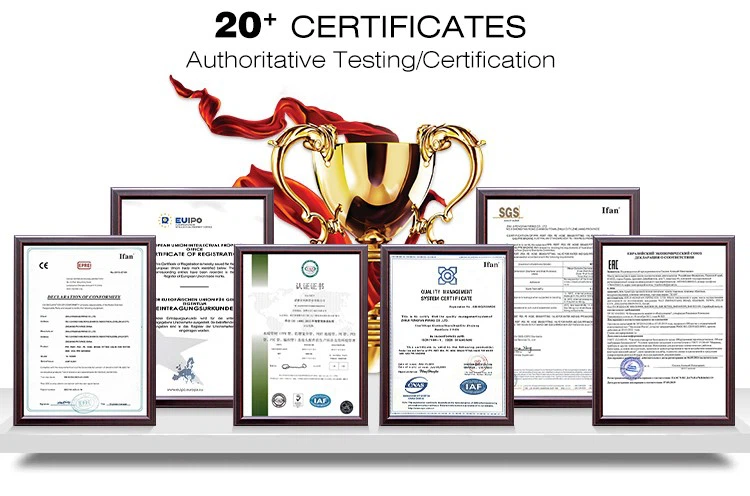
The brass ball valve production process follows strict standards. Workers ensure quality at every stage. Efficient handling guarantees reliable products.