Material Selection
Workers choose high-density polyethylene (HDPE) for its durability. This material resists corrosion and high pressure. They store the raw materials in a dry and clean environment.
Molding and Shaping
Operators heat the HDPE material and inject it into molds. The molding machines form the fittings precisely. Workers check the molds to ensure accuracy.
Cooling Process
The newly molded fittings enter a cooling system. Water or air cools the fittings rapidly. Workers inspect the shapes to confirm proper dimensions.
Trimming and Refining
Technicians remove extra material from the fittings. They use sharp tools to create smooth edges. Workers check each piece for defects.
Quality Inspection
Inspectors conduct tests to ensure strength and durability. They perform pressure and dimension tests. Only flawless fittings move forward.
Packaging Process
Workers pack the fittings in labeled boxes. They organize the packages for easy handling. Proper labeling helps in identification and tracking.
Storage and Handling
Workers store the packaged fittings in clean warehouses. They follow strict guidelines to maintain order. Proper stacking prevents damage.
Shipping and Distribution
Logistics teams arrange the shipment of the products. They ensure safe and timely deliveries. Careful handling prevents damage during transport.
Workshop Maintenance and Safety
Technicians service machines regularly. Workers follow strict safety measures. Proper training prevents accidents and improves efficiency.
Conclusion
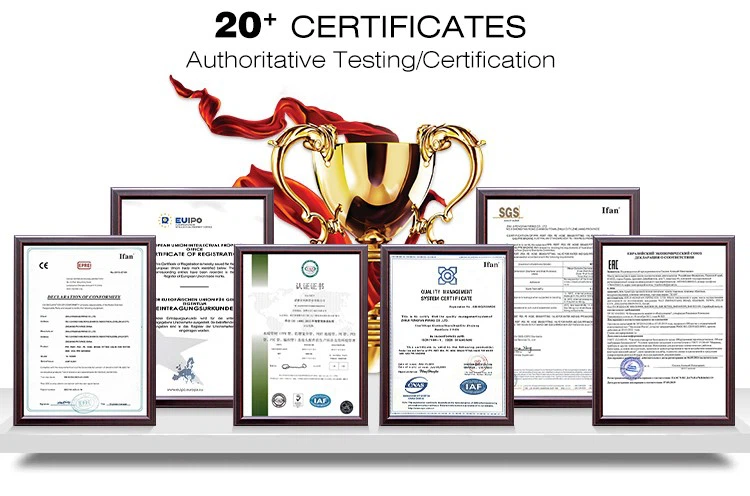
The HDPE pipe fittings production process follows strict standards. Workers ensure quality at every stage. Efficient handling guarantees reliable products.