Raw Material Selection
Workers select high-quality polypropylene random copolymer (PPR). This material ensures durability and resistance to high temperatures. They store the raw materials in a clean and dry area.
Injection Molding Process
Operators place the raw material into an injection molding machine. The machine heats the material and injects it into molds. Workers monitor the process to maintain consistency and accuracy.
Cooling and Shaping
The molded fittings enter a cooling system. Cold water or air cools the products quickly. Workers then check the shapes to ensure they meet specifications.
Trimming and Finishing
Technicians remove excess material from the fittings. They use precision tools to ensure smooth edges. Workers also inspect the fittings for any defects.
Quality Control
Inspectors test the fittings for strength and durability. They use pressure tests and dimensional checks. Only approved fittings move to the next stage.
Storage and Packaging
Workers pack the fittings in labeled boxes. They arrange the boxes in a clean storage area. Proper labeling ensures easy identification and shipment.
Workshop Environment
The workshop maintains a controlled temperature and humidity level. Workers wear protective gear to ensure safety. Cleanliness and organization improve efficiency and quality.
Maintenance and Safety
Technicians perform regular maintenance on machines. Workers follow strict safety protocols. Proper training ensures accident prevention and smooth operations.
Shipping and Distribution
Logistics teams organize the shipment of finished products. They ensure timely delivery to clients. Proper handling prevents damage during transportation.
Conclusion
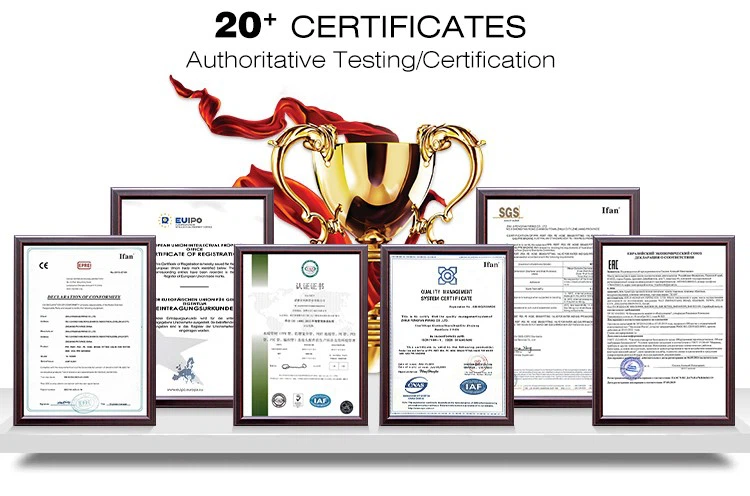
The PPR pipe fittings workshop follows strict quality and safety standards. Workers ensure every process meets industry regulations. Efficient production and organization guarantee high-quality products.