
Introduction to PPH Pipe Fittings
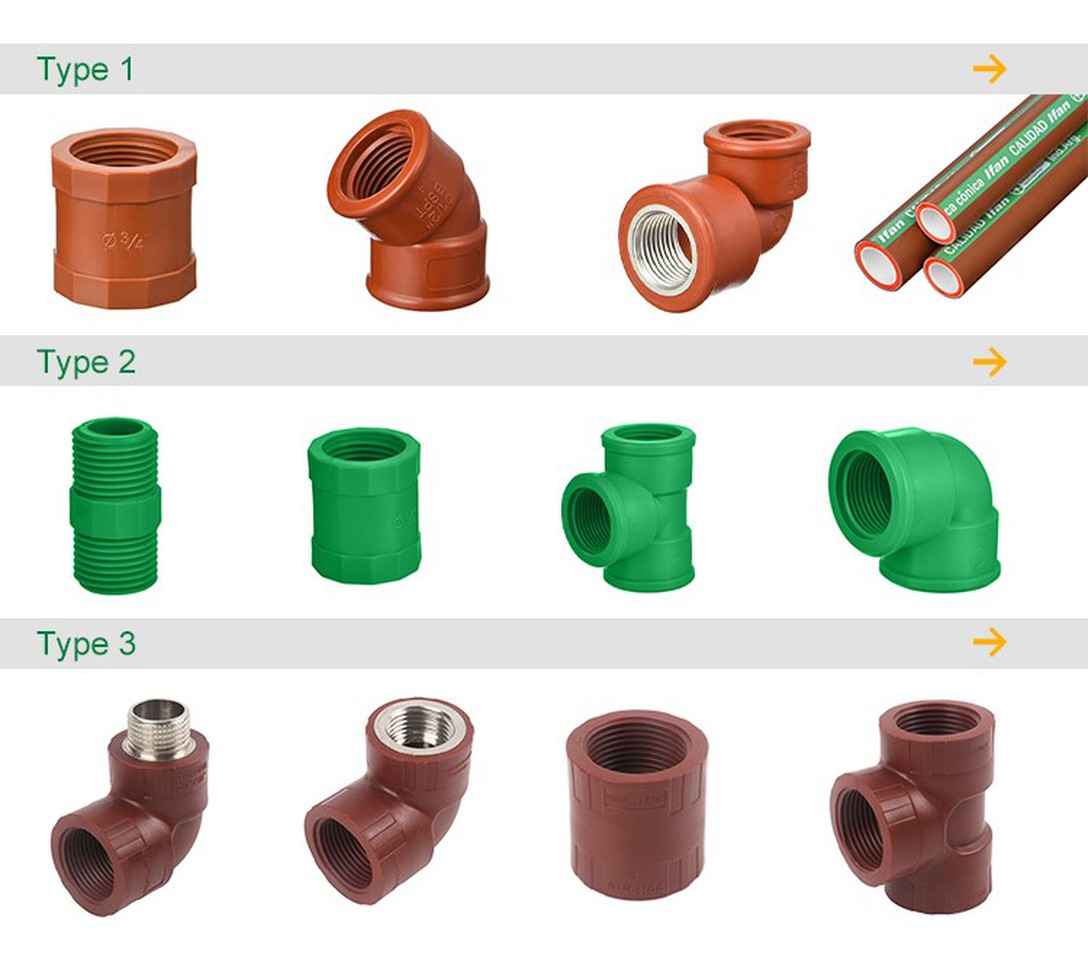
Polypropylene homopolymer (PPH) pipe fittings are renowned for their excellent chemical resistance and durability, making them ideal for a wide range of industrial and chemical processing applications. These fittings are manufactured from high-quality polypropylene resin, which ensures long-term reliability and performance in harsh environments where resistance to corrosive chemicals is critical.
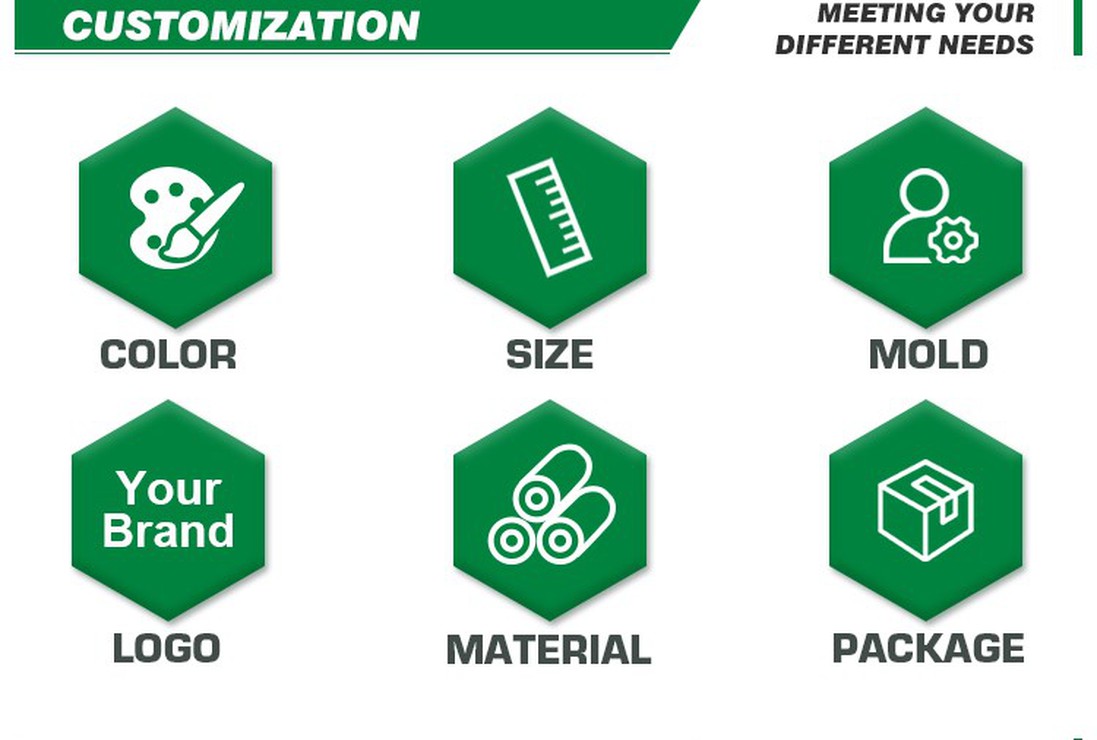
| Color | White,blue,black,grey,red,purple,orange or customized |
| Logo | Support |
| Sample | Free Sample |
| Package | IFAN Standard Package |
| Welcome to contact IFAN, we are online 24 hours a day to answer your questions! | |
Advantages of PPH Pipe Fittings
PPH pipe fittings offer several advantages over other materials. They are lightweight, which simplifies handling and installation, reducing labor costs. The material's inherent resistance to chemical corrosion ensures that PPH fittings maintain their structural integrity and functionality over time, even when exposed to aggressive substances. Additionally, PPH fittings are known for their smooth interior surfaces, which minimize friction and reduce the risk of blockages in fluid transport systems.
Installation Techniques
Proper installation techniques are crucial to maximizing the performance and longevity of PPH pipe fittings. Begin by carefully inspecting each fitting and ensuring they are free of any defects or damage before installation. Clean the pipe ends and fittings thoroughly to remove dirt, debris, and moisture that could compromise the integrity of the joint. Use appropriate tools and equipment to cut the pipes cleanly and squarely, ensuring a snug fit without excessive force.
Jointing Methods
PPH pipe fittings can be joined using several methods, including solvent cement welding and mechanical connections. Solvent cement welding involves applying a suitable solvent cement to both the pipe and fitting surfaces, followed by joining them together under pressure to create a strong, leak-free bond. Mechanical connections, such as threaded fittings or flanges, offer versatility and ease of disassembly for maintenance purposes, making them suitable for applications where frequent modifications are required.
Pressure Testing and Quality Assurance
After installation, conduct a pressure test to verify the integrity of the joints and fittings. Gradually increase the pressure to the recommended operating level while inspecting for any signs of leaks or deformities. Proper pressure testing ensures that the entire piping system meets safety standards and can withstand the expected operating conditions without failure. Additionally, adhere to quality assurance protocols throughout the installation process to maintain consistency and reliability in performance.
Maintenance and Inspection
Regular maintenance and inspection are essential for extending the lifespan of PPH pipe fittings. Inspect fittings periodically for signs of wear, corrosion, or mechanical damage that could compromise their integrity. Clean the interior of pipes and fittings to remove sediment or deposits that may reduce flow efficiency or cause blockages. Implement a preventive maintenance schedule to address potential issues early and ensure continuous operation of the piping system.
Environmental Considerations
PPH pipe fittings are recognized for their environmental sustainability due to the recyclability of polypropylene resin and the energy-efficient manufacturing processes involved. The material's resistance to chemical degradation also contributes to reduced environmental impact by minimizing leaks and spills that could harm ecosystems. When selecting PPH fittings, consider their recyclability and environmental certifications to support sustainable practices in industrial and construction projects.
Conclusion
PPH pipe fittings represent a reliable and efficient solution for demanding industrial applications where chemical resistance and durability are paramount. By following proper installation techniques, selecting appropriate jointing methods, and conducting thorough maintenance and inspections, professionals can maximize the performance and longevity of PPH piping systems. Incorporating these best practices ensures safe operation, reduces downtime, and enhances overall efficiency in industrial and chemical processing facilities.