
Introduction
PPH (Polypropylene Homopolymer) pipe fittings are highly valued in industrial settings for their unique properties and benefits. This article explores the advantages of using PPH pipe fittings in various industrial applications, highlighting their reliability, durability, and cost-effectiveness.
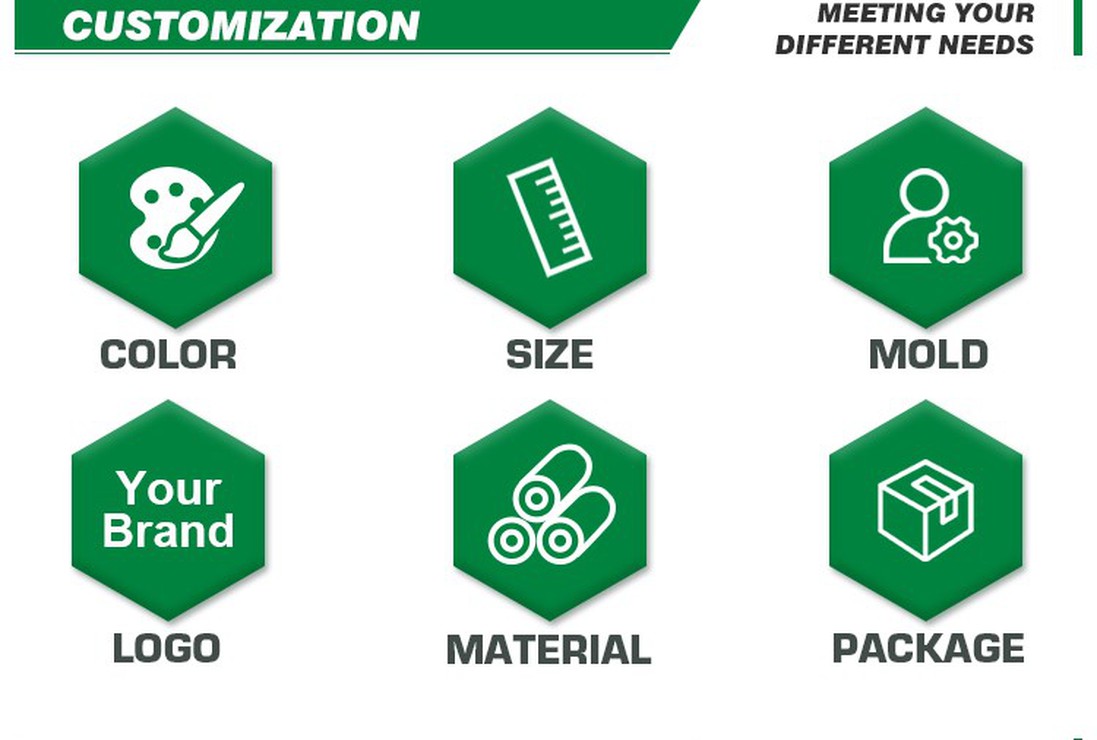
| Color | White,blue,black,grey,red,purple,orange or customized |
| Logo | Support |
| Sample | Free Sample |
| Package | IFAN Standard Package |
| Welcome to contact IFAN, we are online 24 hours a day to answer your questions! | |
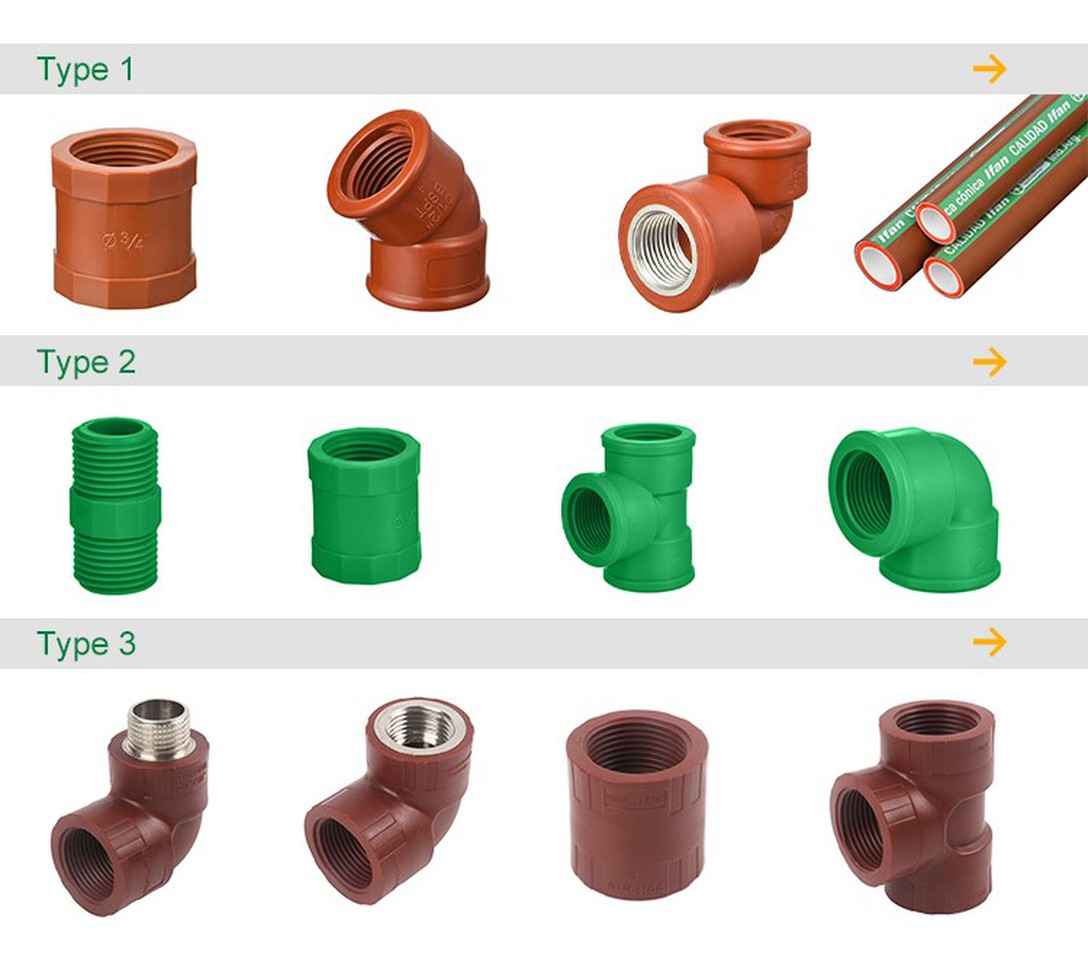
Chemical Resistance
Resistance to Corrosive Chemicals
PPH pipe fittings exhibit exceptional resistance to a wide range of corrosive chemicals, acids, and alkalis commonly found in industrial environments. This property makes them suitable for handling aggressive fluids without degradation or loss of structural integrity.
Compatibility with Industrial Processes
In industrial settings such as chemical processing plants and manufacturing facilities, PPH pipe fittings ensure the safe and efficient transport of chemicals and fluids. Their resistance to chemical attack minimizes the risk of leaks and contamination, maintaining operational safety and reliability.
Durability and Longevity
Impact Resistance
PPH pipe fittings are known for their high impact resistance, making them less susceptible to damage during installation and operation. This durability ensures minimal downtime and maintenance costs associated with repairs or replacements.
UV Stability
Outdoor installations benefit from PPH's UV stability, which prevents degradation and discoloration due to prolonged exposure to sunlight. This feature extends the lifespan of the fittings in outdoor industrial applications, such as wastewater treatment plants and outdoor piping systems.
Cost-Effectiveness
Lower Installation Costs
PPH pipe fittings are lightweight and easy to handle, reducing labor costs associated with installation. Their socket fusion or butt fusion joining methods simplify assembly, requiring fewer fittings and accessories compared to traditional metal alternatives.
Reduced Maintenance Requirements
Due to their resistance to corrosion and chemical degradation, PPH pipe fittings have minimal maintenance requirements. This results in lower ongoing maintenance costs and operational downtime, contributing to overall cost savings over the lifespan of the system.
Environmental Considerations
Eco-Friendly Material
PPH is a recyclable thermoplastic material, aligning with sustainable practices and environmental regulations. Recycling PPH reduces waste and environmental impact, making it a preferred choice for eco-conscious industries.
Energy Efficiency
The lightweight nature of PPH pipe fittings reduces transportation costs and energy consumption during manufacturing and installation. Additionally, their smooth inner surface promotes efficient fluid flow, optimizing energy efficiency in industrial processes.
Versatility and Applications
Wide Range of Applications
PPH pipe fittings are versatile and suitable for various industrial applications, including chemical processing, water treatment, pharmaceutical manufacturing, and food processing. Their compatibility with different fluids and temperatures enhances their applicability across diverse industries.
Customization Options
Manufacturers offer PPH pipe fittings in a range of sizes, configurations, and pressure ratings to meet specific project requirements. This customization ensures compatibility with existing infrastructure and facilitates seamless integration into industrial systems.
Conclusion
In conclusion, the advantages of using PPH pipe fittings in industrial settings are substantial, encompassing chemical resistance, durability, cost-effectiveness, and environmental considerations. These fittings provide reliable solutions for fluid handling and containment needs in demanding industrial environments, contributing to operational efficiency and sustainability goals. Whether used in aggressive chemical applications or outdoor installations, PPH pipe fittings offer a robust and cost-efficient alternative to traditional piping materials, ensuring long-term performance and reliability.