
Introduction to PPH Pipe Fittings
Polypropylene homopolymer (PPH) pipe fittings are widely recognized for their outstanding chemical resistance, making them essential in various industrial and plumbing applications. This article provides an overview of the unique properties of PPH fittings and their significance in ensuring reliable performance in corrosive environments.
| Color | White,blue,black,grey,red,purple,orange or customized |
| Logo | Support |
| Sample | Free Sample |
| Package | IFAN Standard Package |
| Welcome to contact IFAN, we are online 24 hours a day to answer your questions! | |
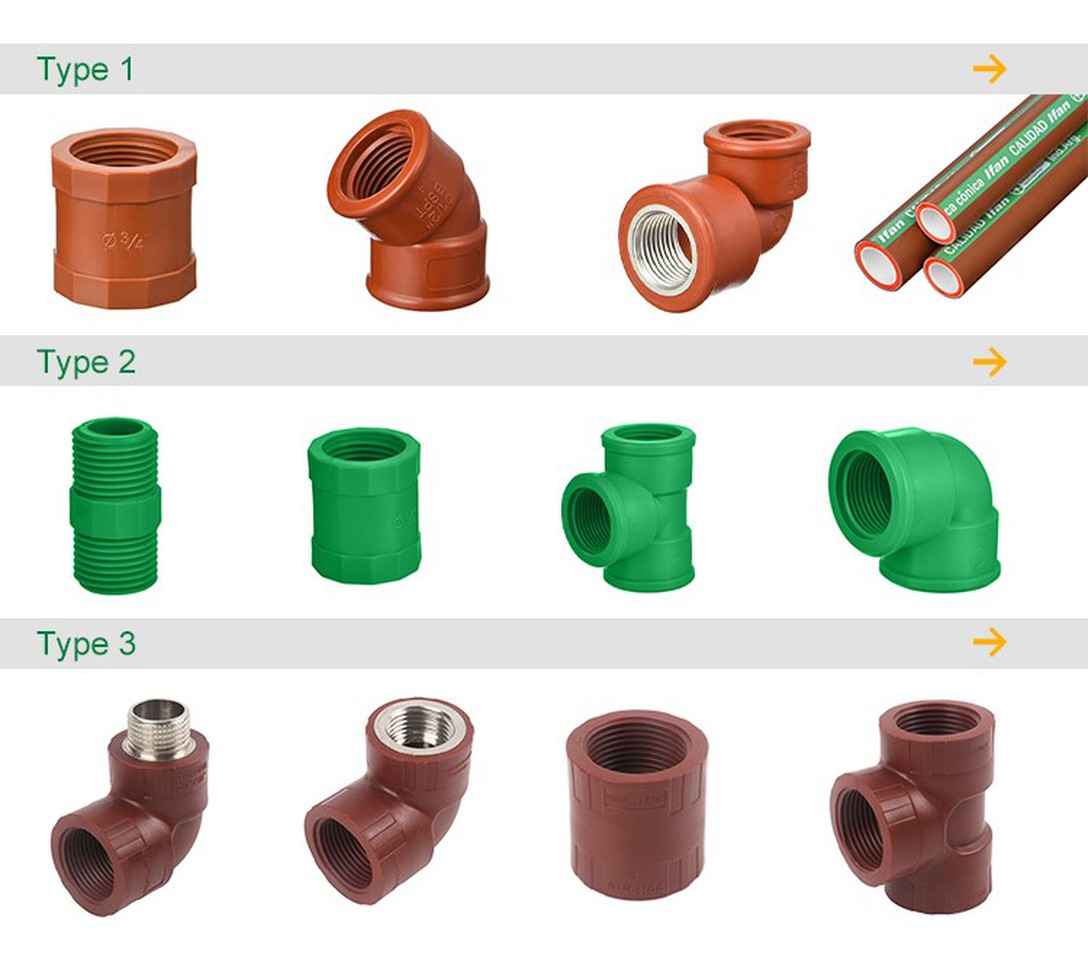

Chemical Resistance Properties
PPH pipe fittings are composed of polypropylene homopolymer, a thermoplastic material known for its high resistance to a wide range of chemicals, including acids, bases, and solvents. The molecular structure of PPH imparts excellent chemical inertness, preventing degradation and ensuring the integrity of the piping system over time. This property is critical in industries where maintaining fluid purity and preventing contamination are paramount.
Comparative Advantages Over PVC and Metal Fittings
When compared to alternative materials such as PVC and metal fittings, PPH stands out for its superior chemical resistance and durability. PVC fittings, although cost-effective, may degrade when exposed to certain chemicals, potentially compromising performance and safety. Metal fittings are susceptible to corrosion and chemical reactions, which can lead to leaks and system failures. PPH fittings offer a reliable solution that minimizes these risks, providing long-term stability and reducing maintenance costs.
Applications in Industrial and Laboratory Settings
PPH pipe fittings find extensive application in industries such as chemical processing, pharmaceuticals, laboratories, and wastewater treatment plants. Their ability to withstand harsh chemicals and maintain dimensional stability makes them ideal for transporting corrosive fluids and maintaining process integrity. In laboratory settings, PPH fittings are crucial for ensuring the purity and consistency of experimental environments, where even minor contamination can affect results.
Environmental Impact and Sustainability
The chemical resistance of PPH fittings contributes to environmental sustainability by reducing the likelihood of leaks and spills that could harm ecosystems and groundwater. Their durability and resistance to degradation ensure a longer service life, reducing the need for frequent replacements and minimizing waste. Additionally, PPH is recyclable, supporting efforts towards a circular economy where materials are reused and repurposed.
Considerations for Material Selection and Safety
When selecting pipe fittings, factors such as chemical compatibility, temperature resistance, pressure ratings, and installation requirements must be carefully considered. PPH fittings offer a versatile and reliable solution that meets these criteria, ensuring safety and operational efficiency in demanding environments. Engineers and facility managers choose PPH for its proven performance in safeguarding against chemical hazards and maintaining operational continuity.
Conclusion: Benefits of Choosing PPH Pipe Fittings
In conclusion, PPH pipe fittings are indispensable components in industries requiring robust chemical resistance and reliability. Their ability to withstand corrosive substances, reduce maintenance costs, and support environmental sustainability makes them a preferred choice for engineers and industries worldwide. As technology advances and regulatory standards evolve, PPH fittings continue to demonstrate their value in ensuring safety, efficiency, and environmental stewardship in industrial and commercial applications.