
Introduction to PPH Pipe Fittings
Polypropylene (PPH) pipe fittings are increasingly recognized for their environmental advantages in construction projects. This article explores how these fittings contribute to sustainability through their unique properties and applications in various construction contexts.
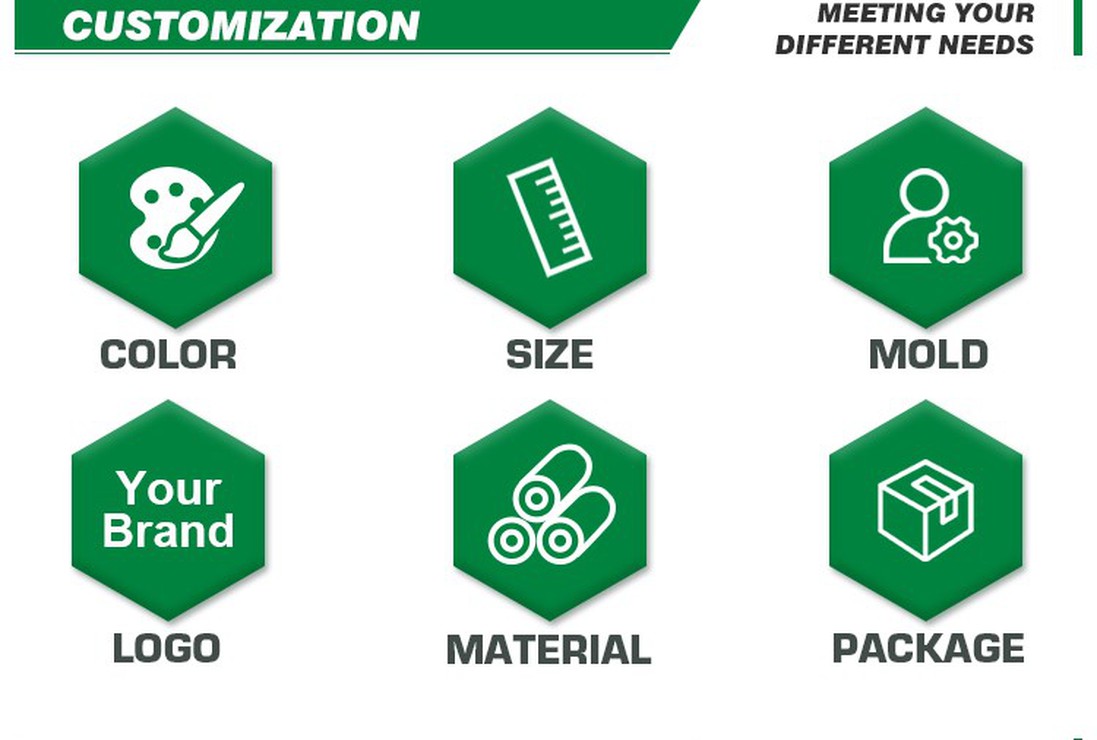
| Color | White,blue,black,grey,red,purple,orange or customized |
| Logo | Support |
| Sample | Free Sample |
| Package | IFAN Standard Package |
| Welcome to contact IFAN, we are online 24 hours a day to answer your questions! | |
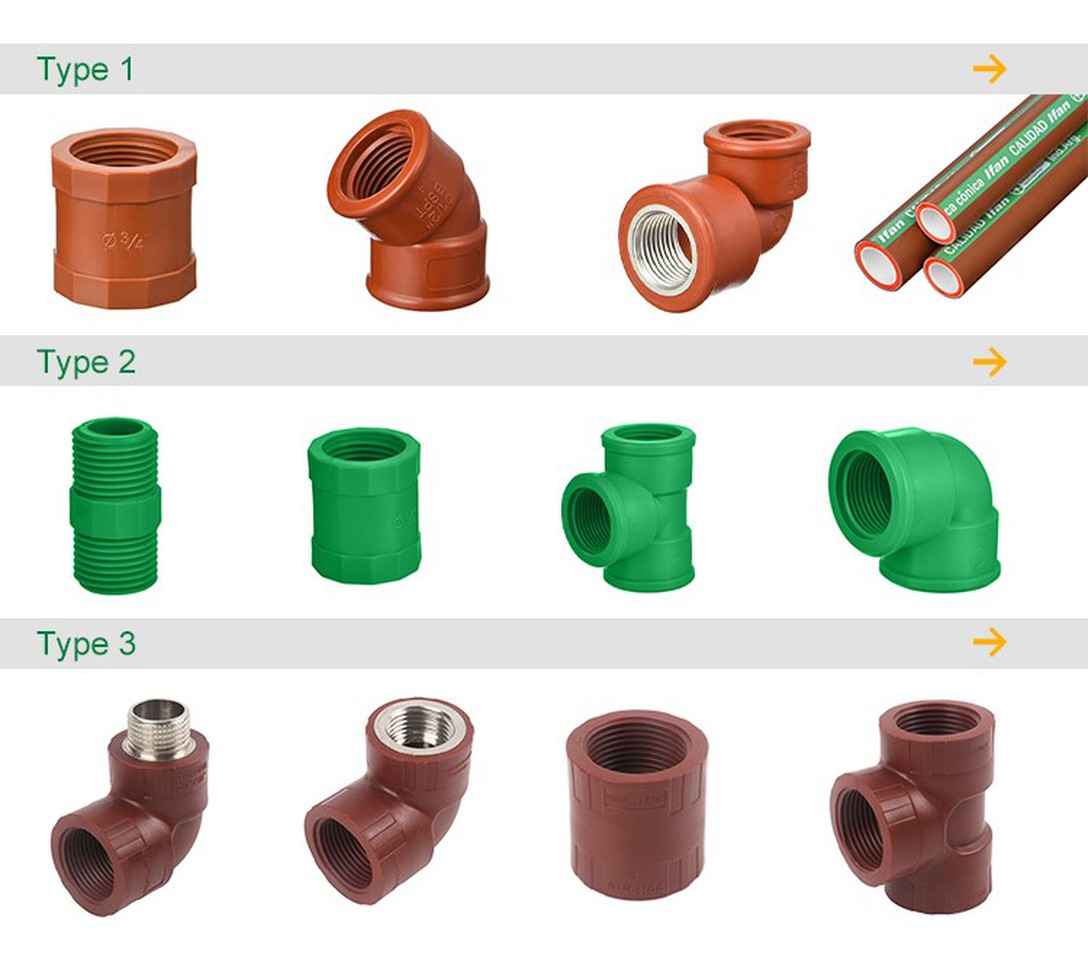
Sustainability in Material Sourcing
PPH pipe fittings are derived from polypropylene, a thermoplastic polymer known for its sustainability in material sourcing. Polypropylene is synthesized from propylene, a byproduct of oil refining, and natural gas processing. This manufacturing process reduces reliance on fossil fuels and supports a more sustainable resource utilization compared to traditional metal fittings.
Energy Efficiency in Production
One of the primary environmental benefits of PPH pipe fittings lies in their energy-efficient production process. Manufacturing polypropylene requires significantly less energy compared to metal alloys used in conventional fittings. This lower energy demand translates into reduced greenhouse gas emissions and environmental impact during production, contributing to overall sustainability goals.
Durability and Longevity
PPH pipe fittings are durable and resistant to corrosion, chemicals, and abrasion. Their longevity in harsh environmental conditions minimizes the need for frequent replacements, thereby reducing material consumption and waste generation over the fittings' lifecycle. This durability enhances sustainability by extending the operational lifespan of infrastructure and reducing maintenance requirements.
Recyclability and Circular Economy
Polypropylene is fully recyclable at the end of its useful life, contributing to a circular economy model in construction. Recycled polypropylene can be processed and reused to manufacture new fittings or other plastic products, minimizing landfill waste and conserving raw materials. This recyclability supports sustainable construction practices by closing the material loop and reducing resource extraction.
Environmental Impact Reduction
Choosing PPH pipe fittings over traditional materials such as metal alloys contributes to significant environmental impact reduction. Polypropylene's lightweight nature reduces transportation-related energy consumption and emissions during logistics and installation. Additionally, the inert properties of polypropylene prevent leaching of harmful substances into soil and water, preserving environmental quality.
Water and Energy Conservation
PPH pipe fittings promote water and energy conservation in construction projects through their efficient performance characteristics. The smooth interior surface of polypropylene pipes reduces frictional losses and energy consumption during fluid transport. This efficiency translates into operational cost savings and environmental benefits by conserving water resources and reducing energy demand for pumping systems.
Compliance with Green Building Standards
PPH pipe fittings align with green building standards and certifications such as LEED (Leadership in Energy and Environmental Design). Their sustainable attributes, including recyclability, energy efficiency, and durability, contribute to earning points toward certification levels. Compliance with these standards demonstrates a commitment to environmental stewardship and sustainable development practices in construction projects.
Conclusion
In conclusion, PPH pipe fittings offer numerous environmental benefits that support sustainable construction practices. From energy-efficient production processes and recyclability to durability and water conservation, polypropylene fittings contribute to reducing carbon footprint, conserving resources, and promoting environmental health. Integrating PPH fittings into construction projects not only enhances operational efficiency and longevity but also aligns with global efforts towards achieving environmental sustainability goals. By prioritizing the adoption of PPH pipe fittings, construction professionals can contribute to building a more resilient and sustainable built environment for future generations.