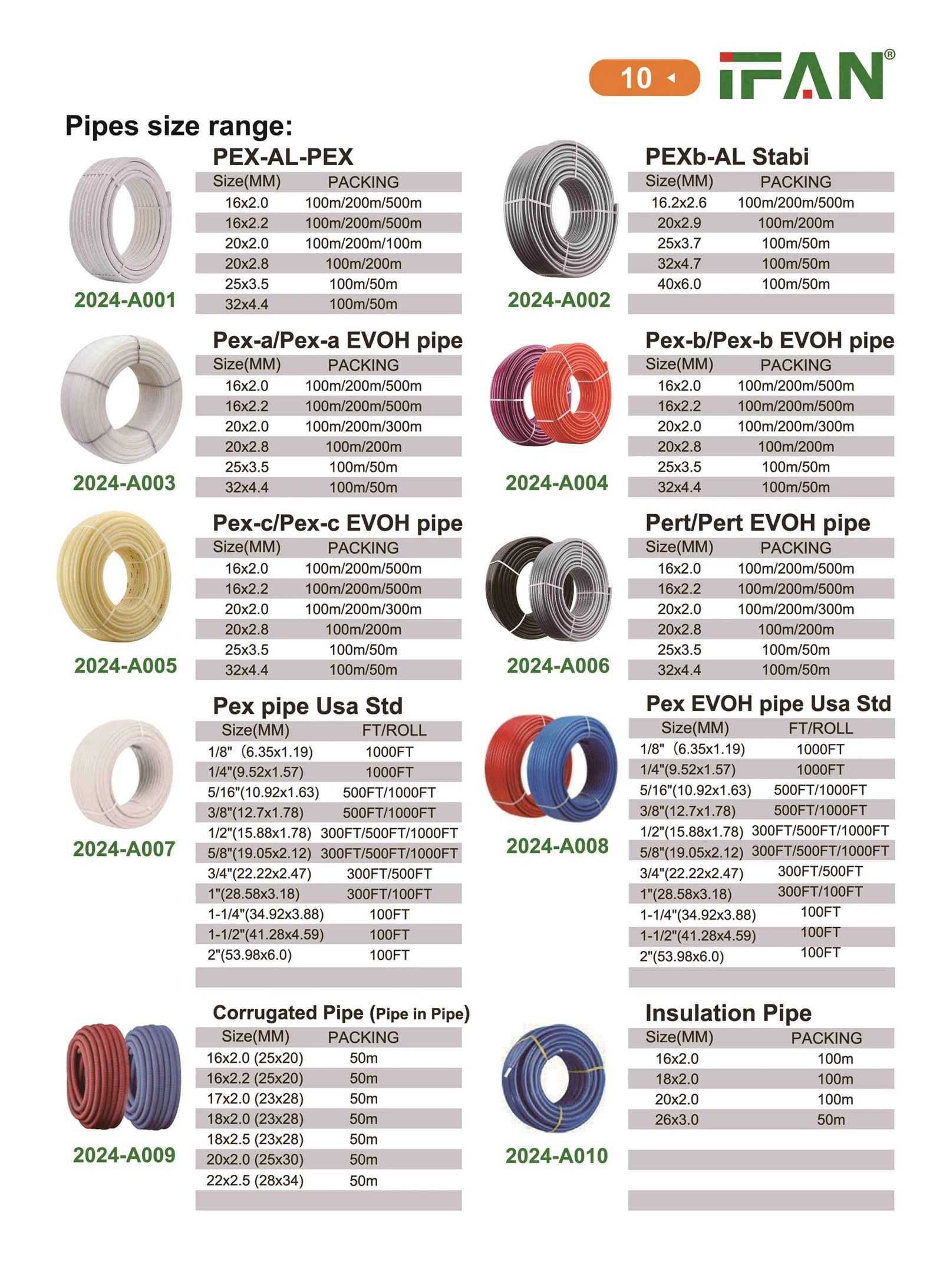
| Product Name | IFAN Gas Pipe |
| Size | 16-32mm Or Customized |
| Color | Yellow Or Customized |
| Package | IFAN standard packaging |
| Features | Durable, Flexible |
| Sample | Sample Free |
| Contact | Click HERE to contact us now! |
Welcome to contact IFAN, we are online 24 hours a day to answer your questions!
Introduction to Gas Transportation
Gas pipelines are essential for transporting natural gas across long distances. They serve industries, homes, and power stations. Gas pipes help reduce the need for road or rail transport. This makes them more efficient and safer for the environment. Modern pipelines are built using advanced materials and engineering techniques. These advancements improve their safety, durability, and performance. Pipelines are designed to operate under high pressure. They also require constant monitoring to avoid leaks and failures. As global energy demand increases, safe gas transportation becomes even more critical.
Materials Used in Gas Pipes
Gas pipes are made from strong and reliable materials. Steel and polyethylene are the most common. Steel is used for long-distance, high-pressure pipelines. It offers strength and resistance to physical damage. Polyethylene is often used in urban areas. It is flexible and resistant to corrosion. Material selection depends on location, pressure, and temperature. Engineers also consider cost and lifespan. Coatings and insulation help protect pipes from corrosion and environmental damage. This ensures a longer life and reduces the risk of accidents.
Pipeline Design and Construction
The design of a gas pipeline begins with detailed planning and analysis. Engineers survey the land and assess environmental impact. They create models to predict flow rates and pressure. Safety factors are included in every calculation. Construction follows strict guidelines and quality controls. Pipes are welded, coated, and tested before installation. In mountainous or urban areas, special methods are used. Trenchless technology helps avoid damage to roads or buildings. All work is done according to safety codes and regulations.
Safety Monitoring Systems
Gas pipelines are equipped with advanced monitoring systems. These systems detect pressure changes, temperature shifts, and possible leaks. Sensors send real-time data to control centers. Operators can respond quickly to any issue. Many pipelines use SCADA systems. SCADA stands for Supervisory Control and Data Acquisition. It allows remote control and monitoring. Drones and robots also inspect hard-to-reach areas. Regular inspections and maintenance reduce the risk of failures. Safety systems are updated often to match new technology.
Leak Detection and Prevention
Detecting gas leaks early is essential for safety. Leaks can cause explosions, fires, or environmental damage. Pipeline operators use sensors and gas detectors. Some systems analyze sound waves or pressure drops. Fiber-optic cables can detect temperature changes along the pipe. A sudden drop may signal a leak. Automatic shut-off valves close quickly in emergencies. Regular inspections help find weak points. Maintenance teams repair damaged areas before they become dangerous. Prevention is always more effective than response.
Environmental Protection Measures
Gas pipelines must follow strict environmental rules. Construction projects often require environmental impact assessments. These studies protect wildlife, water, and land. Engineers plan routes that avoid sensitive areas. Special techniques reduce soil erosion and pollution. During operation, leaks are minimized through monitoring. Spills or leaks are cleaned up quickly. Companies also invest in eco-friendly technology. This reduces greenhouse gas emissions and protects local ecosystems. Environmental safety is as important as technical safety in pipeline projects.
Emergency Response Plans
Even with strong safety systems, emergencies can happen. Gas companies prepare detailed response plans. These plans include training for staff and emergency crews. Fire departments and local authorities are involved. Drills and simulations test how well systems work. Quick action can prevent major disasters. Communication is key during a crisis. Control centers must alert teams within minutes. Response teams close valves, shut down sections, and fix leaks fast. Effective plans save lives and protect property.
Role in Global Energy Supply
Gas pipelines play a vital role in the global energy system. They supply gas for heating, cooking, and electricity. Many countries depend on them for energy security. Pipelines connect producers to consumers across borders. This reduces the need for gas trucks or ships. Transport by pipeline is also more efficient and has lower emissions. As nations shift from coal to cleaner fuels, gas pipelines become even more important. They support a stable and reliable energy supply.
Economic Benefits of Gas Pipelines
Gas pipelines also bring economic advantages. They reduce fuel transport costs over time. Lower energy prices benefit both businesses and consumers. Pipeline projects create jobs in construction, engineering, and maintenance. Local communities may also gain from taxes or service contracts. Pipelines help grow industries like manufacturing and power generation. Reliable energy supply encourages investment and economic development. While the initial cost is high, long-term savings are significant. Pipelines are a valuable asset for national infrastructure.
Technological Innovations
New technologies continue to improve gas pipeline systems. Smart sensors make leak detection faster and more accurate. Machine learning helps predict problems before they occur. Robotics assist in inspecting and repairing underground pipes. Advanced materials increase pipe strength and reduce corrosion. Real-time data analysis helps operators make better decisions. Some systems now use AI for automatic control and diagnostics. Innovation improves both safety and efficiency. Technology is key to the future of safe gas transport.
Regulations and Standards
Governments set strict rules for gas pipelines. These rules cover design, construction, operation, and maintenance. International standards ensure consistency across countries. Organizations like ISO and API provide technical guidelines. Pipeline operators must follow inspections and submit reports. Non-compliance leads to fines or shutdowns. Regulations also protect workers and the public. Updates happen as technology and risks change. Cooperation between regulators and companies improves overall safety. Compliance builds trust and ensures responsible operation.
Conclusion: Safety and Sustainability
Gas pipelines are essential for delivering energy safely and efficiently. They support homes, industries, and the global economy. Modern pipelines are built with safety, technology, and the environment in mind. From design to operation, every step follows strict guidelines. Constant monitoring and maintenance prevent accidents and leaks. As technology improves, gas transport becomes safer and cleaner. With proper management and innovation, gas pipelines will remain a reliable and sustainable part of the energy system for years to come.