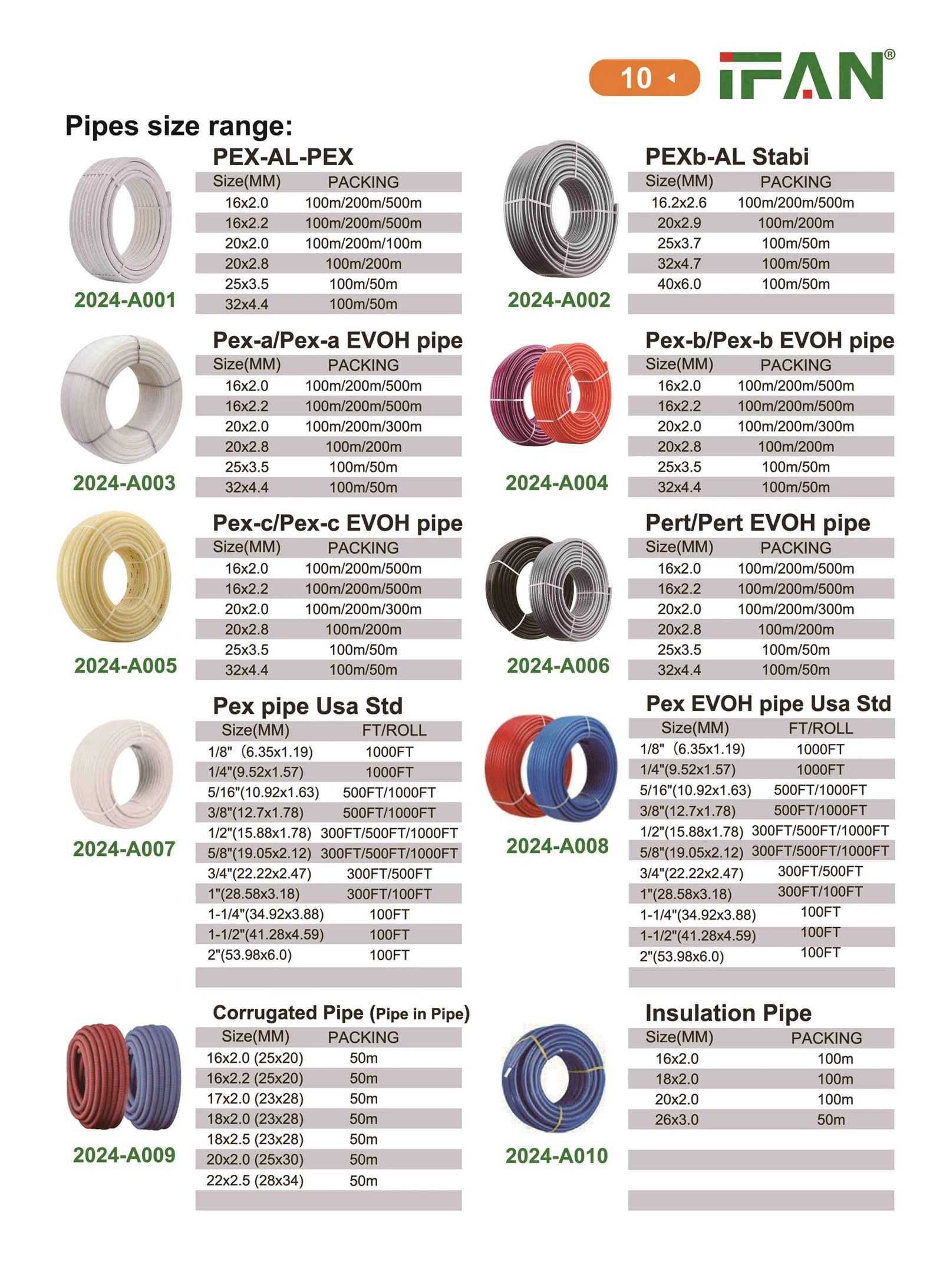
| Product Name | IFAN Gas Pipe |
| Size | 16-32mm Or Customized |
| Color | Yellow Or Customized |
| Package | IFAN standard packaging |
| Features | Durable, Flexible |
| Sample | Sample Free |
| Contact | Click HERE to contact us now! |
Welcome to contact IFAN, we are online 24 hours a day to answer your questions!
Introduction to Fuel Transportation
Gas pipelines play a major role in transporting fuel efficiently. They move natural gas from production sites to end users. This method is safer and faster than road or rail transport. Pipelines operate continuously, day and night. They help meet energy demand without delays. Natural gas is used for heating, electricity, and industry. Without pipelines, fuel delivery would be slower and more expensive. Their role in modern infrastructure is essential for national energy supply and economic growth.
Key Components of a Gas Pipeline System
A gas pipeline system includes more than just pipes. It also has valves, compressors, meters, and control systems. Compressor stations keep gas moving through the pipes. Valves help control flow and shut down sections when needed. Meters track how much gas flows through the system. Sensors monitor pressure, temperature, and flow speed. All components work together to ensure smooth and safe delivery. Maintenance and inspection teams keep each part in good working condition.
Efficient Delivery Across Long Distances
Gas pipelines carry fuel over thousands of kilometers. This allows distant production sites to serve cities and factories. Transport by pipeline is more efficient than using trucks. Pipelines reduce traffic, pollution, and fuel consumption. Once installed, pipelines need less energy to move gas. Pressure systems push gas without constant human control. This improves fuel delivery speed and reduces costs. Remote areas also benefit from access to reliable energy. Long-distance pipelines support economic growth in developing regions.
Underground Installation and Safety
Most gas pipelines are buried underground for protection. This prevents damage from weather, traffic, or accidents. Underground placement also reduces noise and visual pollution. Pipelines are marked clearly above ground for safety. Digging near pipelines requires permission and careful planning. Engineers assess soil, rock, and environmental conditions before installation. Pipes are coated to prevent corrosion. Layers of sand or concrete provide extra shielding. Underground systems offer long-term safety and security for communities.
Role in Urban Energy Supply
Cities rely on gas pipelines for stable energy delivery. Homes, offices, and factories need natural gas daily. Urban pipeline networks are complex and carefully managed. Smaller distribution pipes connect to larger transmission lines. Gas flows smoothly from main stations to local users. Smart meters help measure gas use in real-time. Maintenance teams fix problems quickly to avoid service cuts. Urban gas systems support heating, cooking, and industrial activity. Without them, cities would face frequent energy shortages.
Lower Emissions and Environmental Impact
Gas pipelines offer a cleaner way to deliver fuel. Compared to trucks, they emit fewer greenhouse gases. Pipelines use pressure instead of engines to move fuel. This reduces carbon dioxide and air pollution. Well-maintained pipelines also reduce the risk of leaks. Environmental protection laws guide their construction and operation. Routes avoid sensitive areas like forests or wetlands. Eco-friendly practices during installation limit damage to the landscape. Cleaner delivery methods support national climate goals.
Real-Time Monitoring and Automation
Modern pipelines use advanced monitoring systems. These systems collect data every second. Control centers use this data to manage gas flow. SCADA systems allow real-time control and adjustments. SCADA stands for Supervisory Control and Data Acquisition. Sensors along the pipeline detect leaks or drops in pressure. If problems are found, alerts are sent instantly. Operators can shut down parts of the system remotely. Automation reduces human error and speeds up response times. Technology improves both safety and efficiency.
Cost-Effectiveness of Pipeline Delivery
Gas pipelines are expensive to build but cheaper to operate long-term. Once installed, maintenance costs are low. Transporting gas by truck or ship costs more per unit. Pipelines deliver high volumes at low costs. They also operate 24/7 with minimal staffing. This helps energy companies offer competitive fuel prices. Governments benefit from stable energy infrastructure. Pipeline efficiency supports economic growth and energy security. Investment in pipelines often brings high returns over time.
Supporting Industrial Growth
Many industries depend on a stable gas supply. Factories use natural gas for heating, power, and production. Pipelines ensure continuous fuel delivery to industrial zones. Interruptions in gas flow can cause major losses. With pipelines, supply is consistent and reliable. This supports smooth factory operations and productivity. New industries often develop near pipeline routes. This boosts regional employment and income. Reliable gas delivery is key to industrial expansion and investment.
Maintenance and Risk Management
Regular maintenance ensures pipeline systems work properly. Engineers inspect for cracks, rust, or pressure loss. Tools like smart pigs check inside the pipes. Smart pigs are robots that scan pipeline walls. Repair crews fix problems before they become serious. Risk management also includes emergency plans. Teams are trained to handle gas leaks or fires. Safety drills are done regularly to prepare for accidents. Proper planning and upkeep prevent major disruptions.
Future Trends and Innovations
Technology continues to improve gas pipeline performance. Smart sensors make leak detection more accurate. Artificial intelligence helps predict system failures. Drones inspect pipelines in hard-to-reach areas. Materials like composite steel reduce wear and corrosion. Data analytics support faster decision-making. Some pipelines now carry hydrogen mixed with gas. This helps transition to cleaner energy. Innovation ensures pipelines remain efficient and safe. Future upgrades will focus on green energy integration and smarter control systems.
Conclusion: Reliable and Efficient Fuel Delivery
Gas pipelines are vital to efficient and reliable fuel delivery. They connect energy sources to consumers across regions. Their underground design keeps them safe and hidden. Modern systems use technology to monitor and manage gas flow. They reduce transport costs and lower emissions. Industries and cities rely on pipelines every day. With proper maintenance, pipelines last for decades. Innovations will keep improving their safety and performance. Gas pipelines remain a strong backbone of the global energy network.