Introduction:
PEX pipes have become a popular choice in modern plumbing systems due to their flexibility, durability, and ease of installation. However, like any plumbing material, PEX pipes can experience certain issues over time. In this article, we'll discuss some of the most common problems associated with PEX pipes and how to resolve them to ensure your plumbing system remains in good working order.

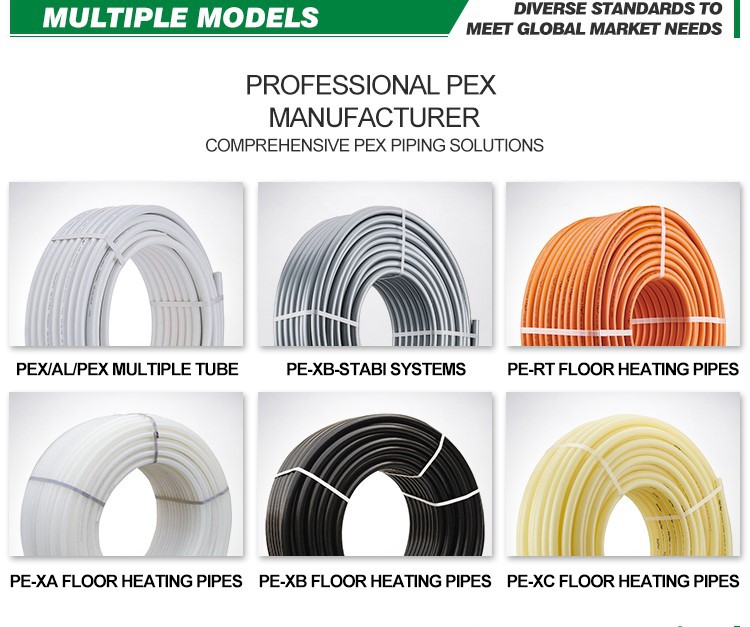
| Product Name | IFAN PEX Pipe |
| Standard | ASTM F2623,BS EN ISO 22391,DIN 16833,GBT28799,ISO 22391 |
| Size | 16-32mm |
| Color | White,Bule,Yellow,Orange,Grey,Red,Purple Or Customized |
| Connection | Compression/Press/Sliding Fittings |
| Length | 100-500M per roll |
| Sample | Sample Free |
| Contact | Click HERE to contact us now! |
Welcome to contact IFAN, we are online 24 hours a day to answer your questions!
1. Pipe Freezing and Burst Risk
One of the most significant issues with PEX pipes is the potential for freezing during cold weather. While PEX is more resistant to freezing than traditional copper pipes, it's not immune. When the temperature drops below freezing, water inside the pipes can freeze, causing the pipe to expand and potentially burst.
How to Fix It:
To prevent freezing, ensure PEX pipes are properly insulated, especially in areas like attics, basements, or exterior walls. If you live in an area prone to freezing temperatures, you can use heat tape or foam pipe insulation to provide extra protection. In extreme cases, it may be necessary to reroute pipes to a more temperature-stable area.
2. Pipe Leaks at Connections
Another common issue with PEX piping systems is leaks at the connections, especially if the fittings were improperly installed. Over-tightening or using the wrong type of fitting can cause joints to weaken or fail, leading to water leaks.
How to Fix It:
If you notice leaks at the connections, first check the fittings to ensure they are securely tightened. If you find a defective or improperly installed fitting, it's best to replace it. Always use high-quality fittings designed specifically for PEX to ensure a tight and durable connection. If the issue persists, you may need to consult a plumber to check for more severe issues.
3. PEX Pipe Degradation from UV Exposure
PEX pipes are known for their resistance to corrosion and scaling, but they can degrade when exposed to ultraviolet (UV) light. Extended exposure to UV rays can weaken the material, leading to cracks and a loss of flexibility.
How to Fix It:
To avoid UV damage, ensure that PEX pipes are not exposed to direct sunlight. If PEX pipes must be installed outdoors or in areas with significant sunlight exposure, consider using UV-resistant coatings or housing. Alternatively, you can switch to a more UV-resistant pipe material if necessary.
4. PEX Pipe Noise (Water Hammer)
Water hammer is a term used to describe the noise produced when water flow is suddenly stopped, often causing pipes to bang or rattle. PEX pipes are more susceptible to water hammer because of their flexibility, which allows them to move more than rigid pipes. The sudden shock from water flow can lead to loud noises and even damage the pipe.
How to Fix It:
To prevent water hammer, you can install water hammer arrestors at key locations in the plumbing system, especially near appliances like dishwashers, washing machines, or faucets that experience rapid water shut-off. Additionally, ensure that PEX pipes are properly secured to prevent excessive movement that could contribute to the noise.
5. Fitting Expansion and Pipe Leaks
Another issue that can occur with PEX pipes is the expansion of fittings over time, which can lead to leaks. While PEX is flexible, its fittings are made of materials that may expand or contract at different rates. If this happens, the seal between the fitting and the pipe can weaken, resulting in leaks.
How to Fix It:
Ensure that all fittings are properly sized for the PEX pipe used in your system. It's also important to use the correct type of tool for installation, such as crimp or clamp tools, to ensure tight and secure connections. If you notice leaks, replace the affected fittings and make sure the correct installation techniques are followed.
Conclusion: Preventive Maintenance and Regular Inspections
While PEX pipes are generally low-maintenance and reliable, addressing common issues like freezing, leaks, and UV exposure can prolong the life of your plumbing system. Regular inspections and preventive maintenance, such as insulation and proper fitting installation, will help minimize the risk of problems and ensure that your PEX plumbing system operates efficiently. By understanding these common issues and knowing how to fix them, you can maintain a functional and reliable plumbing system for years to come.