Introduction:
Installing PEX (cross-linked polyethylene) pipes offers numerous benefits, including flexibility, resistance to corrosion, and ease of installation. However, to ensure the longevity and efficiency of your PEX system, following the best practices during installation is essential. Below, we'll cover some key practices to make your PEX pipe installation smooth and reliable.

| Product Name | IFAN PEX Pipe |
| Standard | ASTM F2623,BS EN ISO 22391,DIN 16833,GBT28799,ISO 22391 |
| Size | 16-32mm |
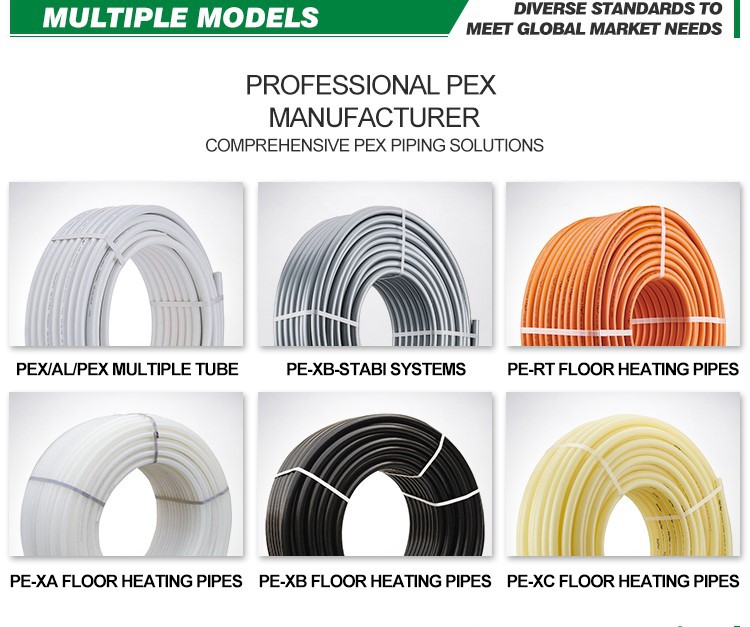
| Color | White,Bule,Yellow,Orange,Grey,Red,Purple Or Customized |
| Connection | Compression/Press/Sliding Fittings |
| Length | 100-500M per roll |
| Sample | Sample Free |
| Contact | Click HERE to contact us now! |
Welcome to contact IFAN, we are online 24 hours a day to answer your questions!
1. Choose the Right PEX Fittings and Tools
The success of your installation depends significantly on selecting the proper PEX fittings and tools. It is important to choose high-quality fittings that match the specific type of PEX pipe you are using, whether PEX-A, PEX-B, or PEX-C. For instance, PEX-A is known for its superior flexibility and can be connected using expansion fittings, while PEX-B often uses crimp or clamp connections. The tools you select-such as crimping tools or expansion tools-should be durable and correctly calibrated for your chosen fittings. Using the right combination of PEX and fittings ensures secure and long-lasting connections.
2. Proper Pipe Sizing
Correct pipe sizing is crucial for ensuring that the water flow in your system is optimal and efficient. Too large a pipe can result in unnecessary pressure drops, while a pipe that's too small can restrict flow. Always refer to local codes and standards to select the correct diameter based on the intended use of the PEX pipe, whether for hot or cold water, or heating systems. For residential applications, a common size is ½-inch to 1-inch, but this can vary depending on the demand of the system.
3. Plan the Layout and Minimize Bends
Planning the pipe layout before installation helps avoid mistakes and ensures your PEX system functions properly. When designing the layout, minimize the number of bends to avoid restricting water flow. PEX is flexible, so it's easier to navigate around obstacles than rigid piping, but excessive bending can weaken the pipe over time. If sharp turns are necessary, use a fitting designed for this purpose. Additionally, always ensure the pipe is properly supported, as unsupported PEX can sag and cause issues with performance.
4. Avoid Exposure to UV Light
PEX pipes should never be exposed to direct sunlight for prolonged periods. UV rays can degrade the pipe material, causing it to crack or fail prematurely. During installation, keep the pipes covered or install them in locations protected from UV exposure. This is especially important for exterior installations, where the pipes might be exposed to sunlight. If your PEX pipes are exposed to sunlight during installation, consider using protective UV-resistant coatings or insulation sleeves.
5. Ensure Proper Expansion and Contraction Clearance
PEX pipes expand and contract with temperature changes, which is a natural characteristic of the material. When installing PEX, ensure there is enough room for the pipe to expand or contract, particularly in areas with extreme temperature variations. For example, you should leave a little slack in the pipe when installing it through wall cavities or tight spaces, as this allows the pipe to move without causing damage or leaks. Similarly, avoid over-tightening connections that could restrict the pipe's movement.
6. Test the System Before Sealing
After completing the installation, always test the system for leaks before closing up walls, floors, or other inaccessible areas. Perform a pressure test according to local building codes to ensure that all joints and connections are secure. This step helps identify any potential issues before the system is sealed off, preventing costly repairs in the future.
Conclusion
By following these best practices for PEX pipe installation, you ensure the durability and efficiency of your plumbing or heating system. Proper fitting selection, correct pipe sizing, minimal bends, UV protection, allowance for expansion and contraction, and thorough system testing will help your PEX installation last for years to come. Always refer to the manufacturer's guidelines and local codes to achieve the best results.