

It also depends on the actual application area, such as 100 square meters of floor heating, and the flow rate is 0.5 cubic meters per hour to 0.8 cubic meters per hour. If the floor heating application area is about 300 square meters, the floor heating flow can reach 1.0 cubic meters per hour.
The heating flow cannot be too fast or too slow. The flow rate is too slow, the water circulation time is too long, the hot water in the second half of the cycle is not hot, and the hot water in the first half is very hot. If the flow rate is too fast, the workload of the floor heating equipment will be accelerated, and it will not save energy.
Warmth to a space, resulting in a comfortable living environment. However, to achieve optimal performance, it is essential to know the amount of cubic meters per hour of floor heating flow that is normal. This article will help you understand what the cubic meters per hour of floor heating flow is and why it's crucial to maintain the right flow rate.
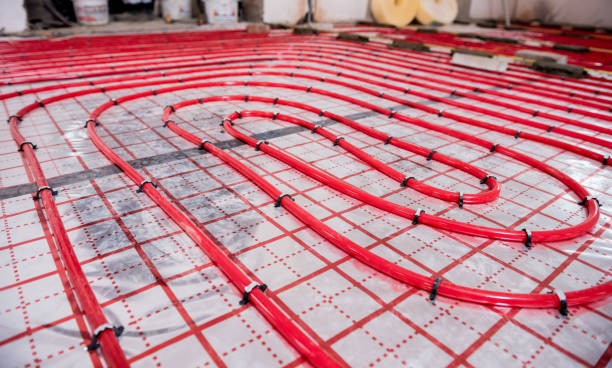
What is the Cubic Meter per Hour of Floor Heating Flow?
The cubic meter per hour of floor heating flow is the amount of water that flows through the pipes of a floor heating system per hour. The flow rate is measured in cubic meters per hour (m3 / hour) and depends on the system's size, the type of heating, and the desired temperature in the room. If the flow rate is too low or too high, it can negatively affect the system's performance, causing discomfort or higher energy bills.
What is a Normal Flow Rate?
The normal cubic meter per hour of the floor heating flow rate depends on various factors such as the heating system's size, capacity, and the temperature required in a specific area. Generally, the recommended flow rate ranges between 0.5 to 1.0 m3 / hour per 100 square meters. However, this value can vary depending on other factors.
Why is it Important to Maintain the Right Flow Rate?
Maintaining the right flow rate is crucial for the optimal performance of floor heating systems. If the flow rate is too low, the heat won't distribute evenly, resulting in cold spots and a slower response time. Additionally, if the flow rate is too high, the heat output will be excessive, leading to overheating, higher energy consumption, and reduced lifespan of the system. Moreover, incorrect flow rates can also result in hot water returning to the heat pump, causing damage to the pump, and potentially leading to costly repairs.
How to Control the Floor Heating Flow Rate?
In-floor heating systems come with different flow control mechanisms. These mechanisms help to monitor and regulate the flow of water in the pipes to achieve the desired temperature in a room. Some of the common flow control mechanisms are:
1-Thermostatic Mixing Valve (TMV)
A thermostatic mixing valve (TMV) is used to regulate the floor heating water's temperature. TMVs adjust the temperature by blending hot water from the boiler with cold water from the house's main supply according to the set temperature. TMVs help to maintain consistent temperatures regardless of the water temperature outside. The valve also acts as a flow regulator to control the flow rate of the water in the pipes.
2-Pump Speed Control
Pump speed control is a method of controlling in-floor heating flow rates by adjusting the pump's speed. The pump's speed is directly proportional to the water flow rate; varying the pump's speed can help to achieve the desired flow rate.
3-Thermal Actuators
Thermal actuators are used to regulate the flow of water in different zones or rooms. The mechanism works by adjusting the valves' opening time in different areas, resulting in a more balanced flow of water in the floor heating pipes.
Conclusion
The cubic meter per hour of the floor heating flow rate is an essential parameter to maintain optimal performance in the system. The recommended flow rate depends on various factors such as the system size, type, and the temperature required in a specific area. It is essential to regulate the flow rate to avoid under or over-heating, which can cause discomfort, higher energy bills, damage to the system, or costly repairs. Different flow control mechanisms are available to regulate the flow rate, such as TMVs, pump speed control, and thermal actuators. It is recommended to consult with HVAC professionals to determine the optimal flow rate, choose the right mechanism, and install and maintain your floor heating system.
Contact
We will reply your email or fax within 24 hours.
You can call us at any time if there is any question on our production.
For more information,pls visit our webside https://www.ifan-plast.com
Pls Mailto: sales11-ifan@group.com