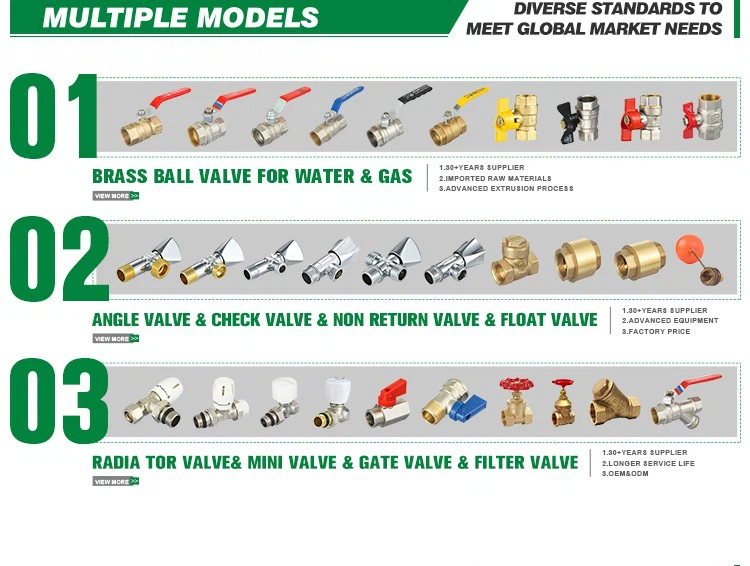
Gas valves are integral components in a wide range of systems where gases are used, from domestic appliances to industrial applications. They regulate, control, and shut off the flow of gas, ensuring safety, efficiency, and reliability. Among the various materials used in valve manufacturing, brass has become one of the most popular choices for gas valves. Brass gas valves are known for their exceptional durability, corrosion resistance, and ease of use. This article explores the key reasons why brass is the material of choice for gas valves, focusing on its advantages, applications, and why it outperforms other materials.

| Product Name | Brass Gas Valve |
| Color | Yellow&Silver or Customized |
| Size | 1/2''-2'' |
| OEM | Support |
| Sample | Free |
| Experience | 30+Years |
| Contact Us | Click HERE to contact us now!we are online 24 hours a day to answer your questions! |
Welcome to contact IFAN, we are online 24 hours a day to answer your questions!
What Are Brass Gas Valves?
A brass gas valve is a mechanical device designed to control the flow of gas in a system. Gas valves made of brass are typically used in applications involving natural gas, propane, butane, or other industrial gases. Brass, an alloy of copper and zinc, has specific properties that make it particularly well-suited for use in gas systems. These valves come in various designs, including ball, globe, gate, and check valves, but they all share one critical function: controlling the flow of gas safely and efficiently.
The Benefits of Using Brass for Gas Valves
1. Corrosion Resistance
One of the most significant reasons for using brass in gas valves is its exceptional corrosion resistance. Gas systems, especially those handling natural gas or propane, are often exposed to humid, moist, or even harsh environmental conditions. Over time, metals such as iron, steel, or aluminum can corrode when exposed to moisture, chemicals, or the gases themselves. This corrosion weakens the structure of the valve and compromises its ability to seal properly, which can lead to dangerous leaks or valve failures.
Brass, on the other hand, is highly resistant to corrosion. It forms a protective layer of oxidation when exposed to air and moisture, preventing further deterioration of the metal. This natural self-healing property ensures that brass gas valves will last much longer than valves made of materials that are more prone to rust or corrosion, such as steel or iron. The ability to resist corrosion makes brass a perfect choice for both indoor and outdoor applications, especially in environments with high humidity or exposure to corrosive substances.
2. Durability and Longevity
Brass is known for its strength and durability, which are vital qualities in gas systems. Brass gas valves are designed to withstand high-pressure environments and the physical stresses that come with gas distribution and regulation. These valves are resistant to cracking, chipping, or wear and tear, which means they have a long service life with minimal maintenance. Unlike other materials, which may degrade over time, brass retains its structural integrity, ensuring long-term reliability and performance.
In gas systems, where the risk of leaks or failures can have serious consequences, the durability of brass valves provides an added level of safety. The robust construction of brass means that the valve will continue to function properly even under extreme pressure or temperature fluctuations, making it ideal for both residential and industrial applications.
3. Leak-Proof Performance
Safety is the most crucial consideration when it comes to gas systems. A leak in a gas line or valve can lead to dangerous situations, including fires, explosions, or poisoning. Brass valves are specifically designed to provide leak-proof performance. The precision machining of the valve components-such as the gate, disc, and seat-ensures a tight seal when the valve is closed. This seal prevents any gas from escaping, even under high pressure.
Furthermore, brass gas valves often feature additional sealing mechanisms like O-rings, gaskets, or threaded connections, which contribute to their ability to maintain a tight seal. This leak-proof performance is critical in preventing the wastage of gas and ensuring the safe operation of the system.
4. Resistance to High Temperatures
Gas systems frequently operate under extreme temperature conditions, especially in industrial settings or in regions with temperature fluctuations. Brass is highly resistant to heat, making it an excellent material choice for gas valves exposed to high temperatures. Unlike plastics, which can degrade or warp under heat, or steel, which may expand and lose its shape, brass maintains its mechanical properties even at elevated temperatures.
This thermal stability ensures that brass gas valves remain reliable and effective, even in environments where temperatures vary dramatically. Whether in outdoor systems exposed to sunlight or in industrial facilities with high heat processes, brass valves can withstand the temperature extremes without compromising performance.
5. Easy to Operate and Maintain
Brass gas valves are easy to operate and maintain, making them a preferred choice for both residential and commercial installations. Most brass valves come with simple manual actuators, such as handwheels, levers, or handles, which allow users to easily open or close the valve. The smooth action of brass valves reduces the risk of jamming, corrosion, or failure during operation, which is a common problem in valves made from other metals.
Additionally, brass gas valves are straightforward to inspect and maintain. Over time, a gas valve may need to be serviced to ensure optimal performance. Brass valves require minimal maintenance due to their durability and corrosion resistance, making them a cost-effective choice in the long run. Common maintenance tasks, such as lubricating the valve stem or checking for any signs of leaks, are simple and quick to perform.
6. Cost-Effectiveness
While brass valves are typically more expensive than some other materials (such as plastic), their long lifespan and low maintenance requirements make them a cost-effective choice over time. The durability and resistance to corrosion mean that brass valves are less likely to need frequent replacements or repairs, reducing the total cost of ownership in gas systems. For both residential and commercial applications, the initial higher cost of a brass valve is often offset by the savings from reduced maintenance, longer service life, and enhanced safety.
Moreover, brass is a widely available material, which helps keep the cost of brass valves relatively competitive compared to more specialized metals or alloys. Given the long-term benefits of brass, it offers excellent value for systems where safety and performance are paramount.
7. Versatility and Compatibility
Brass is a highly versatile material that is compatible with a wide range of gases, including natural gas, propane, butane, and industrial gases. It can be used in both low- and high-pressure gas systems, and it is highly adaptable to various industrial standards. Whether in residential gas lines, commercial kitchens, HVAC systems, or complex industrial gas processes, brass valves can be tailored to fit the specific needs of the system.
Brass gas valves can be found in numerous designs and configurations, including ball valves, gate valves, globe valves, and check valves, among others. This versatility allows brass valves to be used in a variety of applications, ranging from household gas distribution to large-scale industrial applications that require precise gas flow control.
8. Aesthetic Appeal
In applications where the valve might be visible-such as in residential kitchens, commercial facilities, or even some industrial setups-aesthetic appeal can be an important consideration. Brass has a polished, golden appearance that is often considered more visually attractive than other valve materials. The natural luster of brass gives a high-quality look to the valve, which can complement the design of high-end appliances or installations. Brass retains its appearance over time, as it does not easily tarnish or discolor, ensuring that the valve continues to look polished and professional for many years.
Applications of Brass Gas Valves
Brass gas valves are used across a wide variety of industries and applications. Some common uses include:
Residential Gas Systems: In homes, brass valves control the flow of gas to stoves, ovens, water heaters, and fireplaces. Their durability and resistance to corrosion make them ideal for use in gas-powered household appliances.
Commercial Kitchens: Brass gas valves regulate gas flow to cooking equipment such as ovens, grills, and fryers. The reliability and precision of brass valves are critical in commercial kitchens where safety and performance are paramount.
Industrial Gas Systems: In industrial settings, brass valves are used to regulate gas flow in manufacturing processes, chemical plants, power generation, and more. The ability of brass valves to withstand high pressures, temperatures, and chemicals makes them indispensable in many industrial applications.
HVAC Systems: Brass gas valves are used in heating, ventilation, and air conditioning systems, especially those that rely on natural gas for heating or cooling. They help control the gas flow to burners, heat exchangers, and other components.
Oil and Gas Pipelines: Brass valves are employed in the transportation of natural gas and other fuels through pipelines. Their leak-proof performance and ability to withstand high pressure make them essential in these applications.
Conclusion
The benefits of using brass gas valves are undeniable. From their corrosion resistance and durability to their leak-proof performance and easy maintenance, brass valves are the go-to choice for a variety of gas systems. Whether you are working on a residential gas installation, a commercial kitchen, or an industrial gas pipeline, brass gas valves offer reliability, safety, and long-term value. Their versatility, cost-effectiveness, and aesthetic appeal make them suitable for a wide range of applications, providing superior performance for both low- and high-pressure systems. When it comes to gas flow control, the combination of safety, strength, and reliability that brass offers ensures that it remains the preferred material for gas valves.