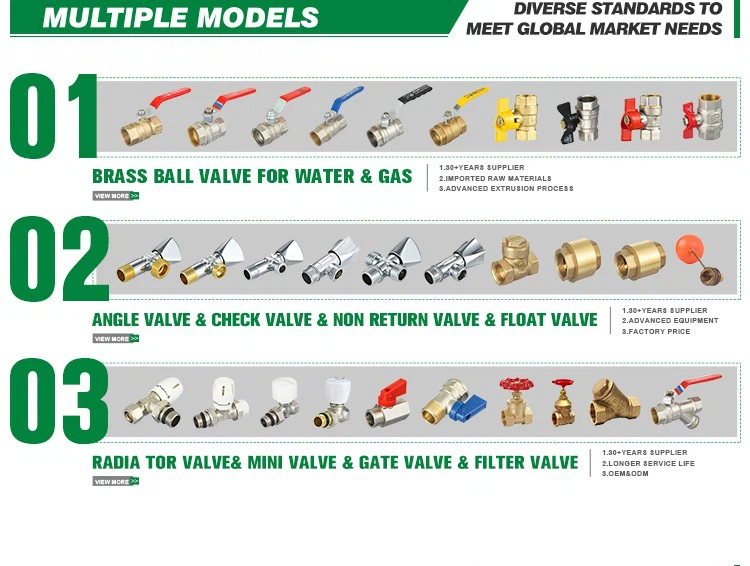
Gas valves play a crucial role in regulating the flow of gas in residential, commercial, and industrial systems. From controlling the flow of natural gas to providing safety measures in various applications, gas valves are a fundamental part of modern infrastructure. Among the different types of gas valves, brass gas valves are highly favored due to their durability, corrosion resistance, and overall reliability. This article will explore the essential features of brass gas valves, their advantages, applications, and why they are the preferred choice for many gas-related systems.

| Product Name | Brass Gas Valve |
| Color | Yellow&Silver or Customized |
| Size | 1/2''-2'' |
| OEM | Support |
| Sample | Free |
| Experience | 30+Years |
| Contact Us | Click HERE to contact us now!we are online 24 hours a day to answer your questions! |
Welcome to contact IFAN, we are online 24 hours a day to answer your questions!
What Are Brass Gas Valves?
A brass gas valve is a device used to control the flow of gases through pipelines, whether for natural gas, propane, or other industrial gases. Made from an alloy of copper and zinc, brass gas valves are specifically designed for use in systems where gas flow must be regulated, stopped, or redirected.
Brass is commonly used for gas valves because it combines strength with the ability to withstand corrosion, particularly in environments where the valve will be exposed to moisture or gas components that can cause metal degradation over time. Gas valves, whether manual or automated, have multiple functions, including controlling gas flow, regulating pressure, or providing emergency shutoff capabilities.
Essential Features of Brass Gas Valves
1. Corrosion Resistance
One of the standout features of brass gas valves is their corrosion resistance. Brass is an alloy made primarily of copper and zinc, and its corrosion-resistant properties make it particularly suitable for gas applications, where exposure to moisture, humidity, or gas impurities can lead to rust and degradation in other metals. Brass forms a natural patina when exposed to air and moisture, providing an additional layer of protection that prevents further corrosion.
In comparison to materials like steel or iron, which may rust or corrode under harsh conditions, brass valves ensure longevity and consistent performance over time. This is particularly important in gas systems where safety is a paramount concern. Corrosion in gas valves could lead to gas leaks, making the resilience of brass a major advantage.
2. Durability and Strength
Brass is a strong and durable material, making it an ideal choice for gas valves, which need to withstand high pressures and temperature variations in gas systems. Gas systems often operate under fluctuating conditions where materials are exposed to extreme stress, high temperatures, or changes in pressure. Brass's ability to maintain structural integrity under these conditions is crucial.
Unlike plastics or other less durable materials, brass valves have a longer lifespan, even when subjected to high-stress environments. This characteristic minimizes the need for frequent replacements, which is important in systems like industrial pipelines, residential gas lines, and commercial setups where downtime can be costly or dangerous.
3. Leak-Proof Performance
Gas safety is one of the most critical factors when designing and installing a gas system. A gas valve must be capable of sealing tightly to prevent any leaks that could lead to hazardous situations such as explosions or fires. Brass gas valves are designed to create a tight seal between the valve seat and the gate or disc, preventing any leakage of gas.
The precise machining of the valve components-particularly the gate, seat, and bonnet-ensures that gas flow is completely stopped when the valve is closed, and that no gas escapes under pressure. Additionally, many brass gas valves include features like threaded connections, compression fittings, or gasket seals that further enhance their ability to prevent leaks.
Leak-proof performance is not only a matter of safety but also ensures efficiency in gas distribution. A leaking valve can result in wastage, increasing operational costs or reducing system efficiency.
4. Temperature and Pressure Resistance
Brass gas valves are designed to withstand a wide range of temperatures and pressures. Gas systems often deal with fluctuating temperatures, whether due to environmental factors, seasonal changes, or the specific requirements of the system. Brass has excellent thermal conductivity and resistance to both high and low temperatures, ensuring that the valve will function effectively in a variety of environments.
Moreover, brass can handle high-pressure environments, which is especially important in systems like natural gas pipelines, propane tanks, or industrial gas applications. The strength of brass allows the valve to maintain its structural integrity even under high-pressure conditions, which is vital for safety and efficiency.
5. Smooth Operation
Gas valves need to be easy to operate and maintain, and brass gas valves offer a smooth operational mechanism. These valves are designed to be user-friendly, whether they are being controlled manually or through automated systems.
Manual Operation: Brass gas valves can be equipped with handwheels, levers, or handles that allow operators to open or close the valve smoothly. The durable brass construction ensures that the valve will not jam or degrade over time, even with frequent manual operation.
Automated Operation: Many modern gas systems use automated brass valves, which are actuated by electric, hydraulic, or pneumatic control systems. The brass components are capable of integrating well with automated systems, ensuring consistent and accurate control over the flow of gas.
The smooth operation of brass valves minimizes the risk of human error and makes them suitable for both residential and industrial applications where consistent control over gas flow is crucial.
6. Versatility and Compatibility
Brass gas valves are highly versatile and compatible with a wide range of gas types and applications. Whether in natural gas, propane, butane, or industrial gases, brass valves can manage the flow with efficiency and precision. Additionally, these valves can be used in many different pressure and temperature settings, making them suitable for various types of gas systems, from home heating and cooking to large-scale industrial applications.
Brass gas valves are commonly used in residential plumbing systems for gas-powered appliances like stoves, water heaters, and dryers. In commercial and industrial settings, they are employed in systems that require precise control over gas distribution, such as manufacturing facilities, chemical plants, and power generation.
7. Easy Installation and Maintenance
Brass gas valves are designed for easy installation and maintenance, making them an excellent choice for both new builds and system upgrades. The threaded connections or flanged designs of brass gas valves make them easy to connect to pipelines, reducing installation time and labor costs. Additionally, the robust construction ensures that the valve remains durable and requires minimal maintenance over its lifespan.
When maintenance is required, the ease of access to key components such as the stem, disc, and packing means that repairs or part replacements can be performed efficiently. Regular inspection and lubrication of the valve stem can ensure smooth operation for years to come.
8. Aesthetic Appeal
While functionality is paramount in gas systems, the aesthetic appeal of a brass valve is an added benefit, especially in visible installations. The golden color of brass gives the valve a polished and elegant look, making it an attractive addition to residential or commercial gas systems that may be exposed. Brass also tends to retain its appearance over time, as it does not easily tarnish or degrade like some other metals.
In settings where the gas valves are visible (such as in modern kitchens or industrial installations), the aesthetic value of brass valves adds a layer of visual appeal without compromising on performance.
Applications of Brass Gas Valves
Brass gas valves are widely used across many industries due to their versatility, durability, and performance. Some of the common applications include:
Residential Gas Systems: Brass gas valves are often used in homes to regulate the flow of natural gas or propane to appliances such as stoves, heaters, fireplaces, and water heaters. They ensure the safe and efficient distribution of gas in residential settings.
Commercial Kitchens: In restaurants and commercial kitchens, brass gas valves control the flow of gas to cooking equipment like stoves, ovens, and grills. Their ability to operate smoothly and withstand high temperatures is particularly valuable in these settings.
Industrial Gas Systems: Brass valves are used in industrial applications to manage the flow of gases in manufacturing processes, including chemical production, metal fabrication, and energy generation. Their ability to withstand high pressure and temperature makes them ideal for these demanding environments.
HVAC Systems: In heating, ventilation, and air conditioning systems that rely on gas-powered equipment, brass valves are used to control the gas flow for heating and cooling operations.
Oil and Gas Pipelines: Brass valves are employed in gas pipelines for both residential distribution and large-scale oil and gas production. Their durability and leak-proof performance make them a critical component in ensuring the safety and efficiency of gas transport.
Conclusion
Brass gas valves offer a combination of reliability, durability, and performance that makes them a preferred choice for controlling gas flow in a variety of applications. With their corrosion resistance, strength, smooth operation, and compatibility with various gas types and pressures, these valves are built to meet the rigorous demands of residential, commercial, and industrial systems. Whether you're looking to install gas valves in your home, a commercial establishment, or a large-scale industrial facility, brass gas valves are an excellent investment for ensuring the safe and efficient operation of your gas systems.