
So what is UPVC piping?UPVC stands for unplasticised polyvinyl chloride and is a type of pipe made from polyvinyl chloride plastic. UPVC has many advantages over traditional materials such as metal and concrete, which is why it is becoming increasingly popular for water and wastewater systems.
UPVC pipes and fittings offer many advantages over other types of pipes such as copper or steel. In this blog post, we will discuss the benefits of using UPVC pipes and fittings in your home. We will also cover everything you need to know about installation and maintenance!
There are three main types of UPVC pipework: solid wall, cellular core and multi-layer.
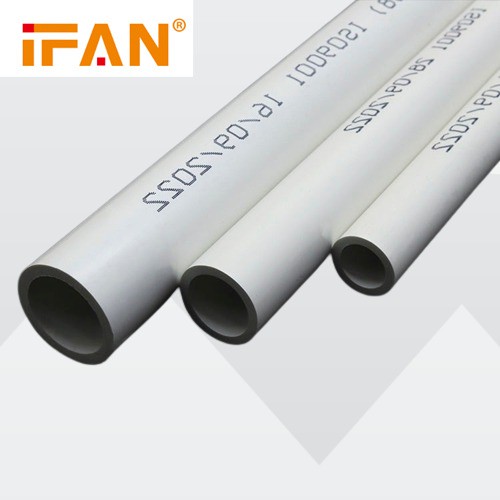
Solid Wall UPVC Piping
Solid wall UPVC pipes are the most common type of UPVC pipe. They are made from a single piece of material with a smooth inner surface. Solid wall UPVC pipes are available in a wide range of sizes and can be used for a variety of purposes including drainage, sewerage, water supply and electrical conduit.
Honeycomb Core UPVC Pipe
Honeycomb core UPVC piping has a foam inner layer, making it lighter than solid wall UPVC piping. Honeycomb core UPVC pipes have a variety of uses including insulation, soundproofing and impact absorption.
Multi-layer UPVC pipes
Multi-layer UPVC pipes are made from multiple layers of material bonded together. They are available in a variety of sizes and can be used for a variety of purposes including drainage, sewerage, water supply and electrical conduit. Multi-layer UPVC pipes are more resistant to chemical damage and temperature fluctuations than solid wall or honeycomb core UPVC pipes.
Summary
UPVC pipes offer many advantages that make them an excellent choice for any plumbing application. They are durable, easy to install, and require minimal maintenance. If you're looking for an affordable, reliable piping material, then UPVC piping is for you!
If you are interested in our products, please contact us:
Whatsapp:+8613325756195
Email:sales11-ifan@ifangroup.com