
What is PEX Pipe and Its Installation Overview
PEX (cross-linked polyethylene) piping has gained immense popularity for both residential and commercial plumbing due to its flexibility, resistance to scale and chlorine, and ease of installation. PEX pipes are typically used for water supply lines and offer significant advantages over traditional metal pipes. The installation process of PEX pipes is relatively straightforward compared to other plumbing methods. One common question that arises among DIY enthusiasts and professional plumbers alike is whether special glue is required for PEX pipe installation. Unlike PVC or CPVC pipes, which necessitate the use of specific glues to ensure a secure seal, PEX pipes utilize different methods to achieve tight connections, primarily relying on mechanical fittings rather than adhesives.
PEX Pipe Connection Methods: Mechanical Fittings vs. Glue
PEX pipe systems are designed to be assembled without the need for glue. Instead, they employ mechanical fittings such as crimp rings, clamp rings, or push-fit connectors to create secure connections between sections of pipe and fittings. Crimp and clamp fittings are installed using specific tools that compress a metal ring around the PEX pipe, creating a watertight seal. Push-fit connectors, on the other hand, use internal grippers and O-rings to achieve a leak-proof joint. These methods are favored because they do not require curing times or special handling as adhesives do, thus streamlining the installation process and reducing the potential for installation errors.
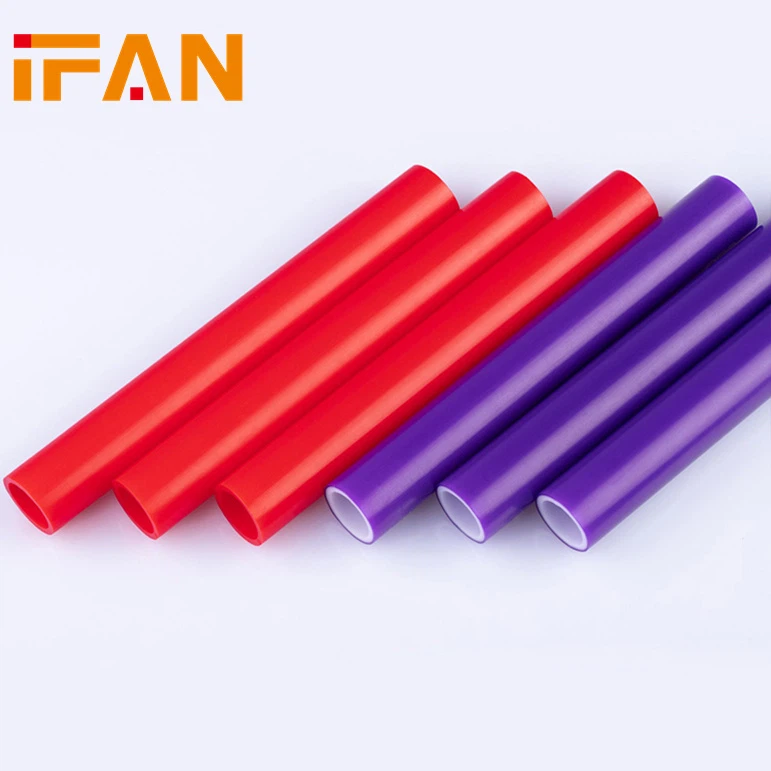
Advantages of Avoiding Glue in PEX Pipe Installation
Avoiding the use of glue in PEX pipe installation provides several benefits. Firstly, it eliminates the need for drying or curing time associated with adhesive-based systems, allowing for faster project completion. Additionally, mechanical fittings used with PEX pipes are generally more flexible and easier to adjust if modifications are needed. This flexibility is particularly useful in complex plumbing systems where adjustments or reconfigurations are common. Furthermore, because PEX pipes are resistant to scale and chlorine, and because they do not require gluing, the risk of chemical reactions or contamination from adhesives is minimized, ensuring the purity of the water supply.
Potential Issues with Using Glue on PEX Pipes
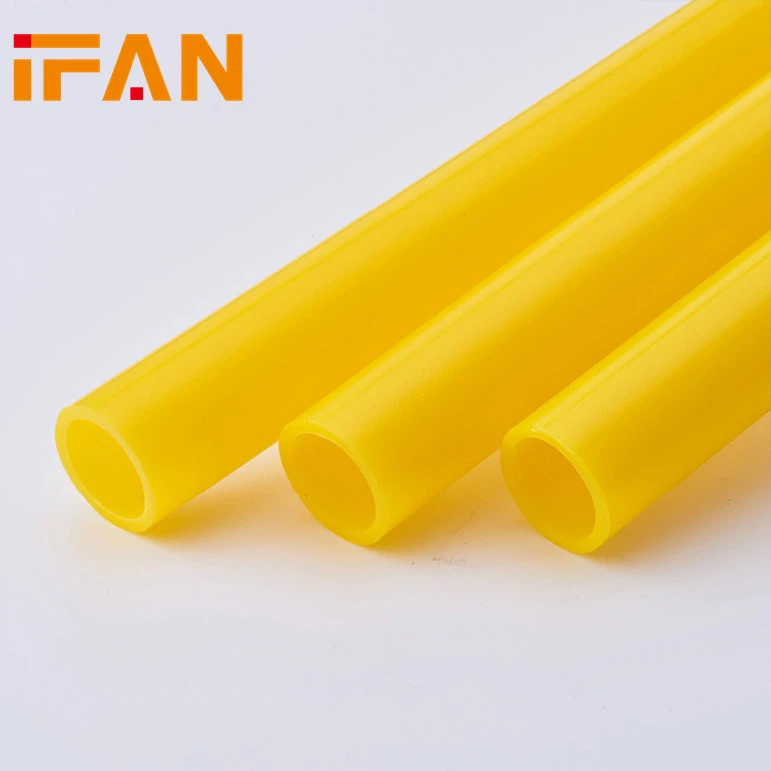
Using glue on PEX pipes is not recommended and can lead to several potential issues. PEX is not designed to bond with adhesives, and attempting to use glue may result in inadequate sealing or even damage to the pipe material. Additionally, since PEX is a flexible and expandable material, it requires specific connection methods that are compatible with its properties. Adhesives designed for rigid pipes may not provide a reliable seal on the flexible PEX material, leading to leaks or compromised integrity. To ensure a proper installation and avoid costly repairs, it is crucial to follow the recommended connection methods and avoid adhesives.
Conclusion: Stick to Mechanical Fittings for PEX Pipes
In conclusion, PEX pipe installation does not require the use of special glue. The pipe system is designed to work with mechanical fittings, which provide a secure and reliable connection without the need for adhesives. By utilizing crimp rings, clamp rings, or push-fit connectors, plumbers can ensure a leak-proof installation that is both efficient and durable. Avoiding the use of glue not only simplifies the installation process but also prevents potential issues related to pipe damage or inadequate sealing. For the best results, always adhere to manufacturer recommendations and use the appropriate tools and fittings designed specifically for PEX piping.