
PPR pipes and PVC pipes serve various applications in plumbing. Both materials offer unique advantages. Understanding their differences helps in making informed decisions. This guide answers common questions about PPR and PVC pipes.
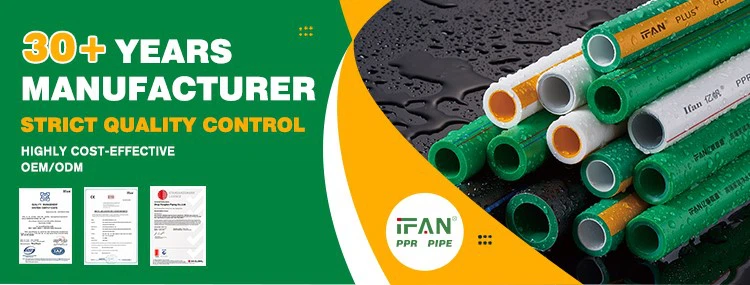
| Product Name | PPR Pipe |
| Color | Green,White,Grey,Blue,Yellow,Black or Customized |
| Size | 20-160mm |
| OEM | Support |
| Sample | Free |
| Experience | 30+Years |
| Contact Us | Click HERE to contact us now!we are online 24 hours a day to answer your questions! |
Welcome to contact IFAN, we are online 24 hours a day to answer your questions!
What Are PPR Pipes?
PPR stands for Polypropylene Random Copolymer. This type of pipe is known for its durability. PPR pipes resist corrosion and chemical damage effectively. They provide excellent thermal insulation. Many industries use PPR pipes for hot and cold water supply.
What Are PVC Pipes?
PVC stands for Polyvinyl Chloride. PVC pipes have a long history in plumbing applications. They resist corrosion and have a low weight. PVC works well for both drainage and pressure applications. Many homeowners and businesses use PVC pipes for various projects.
What Are the Key Differences?
The main difference lies in material composition. PPR pipes consist of polypropylene, while PVC pipes contain polyvinyl chloride. This difference affects properties like flexibility and temperature resistance. PPR pipes handle higher temperatures better than PVC.
Which Pipe Is More Durable?
Both PPR and PVC pipes offer durability. However, PPR pipes often outperform PVC in harsh conditions. PPR resists impact and thermal stress effectively. PVC can become brittle over time, especially in extreme temperatures.
How Do They Handle Temperature?
PPR pipes tolerate high temperatures well. They can handle temperatures up to 180°F (82°C). PVC pipes, in contrast, can only manage temperatures up to 140°F (60°C). For hot water applications, PPR stands out as the better option.
What About Pressure Ratings?
Both pipe types have high pressure ratings. PPR pipes generally handle higher pressure than PVC. PPR can sustain pressures up to 20 bar. PVC pipes typically support pressures around 10 to 16 bar. Choose based on your specific system requirements.
What Are the Installation Requirements?
Installation methods differ between PPR and PVC. PPR pipes use heat fusion techniques for joining. This method requires specific equipment but ensures strong joints. PVC pipes use solvent cement for connection. Both methods require proper technique for leak-free installations.
How Do They Compare in Cost?
Cost can vary significantly based on location and supplier. Generally, PPR pipes cost slightly more than PVC pipes. However, PPR offers better longevity, which may justify the initial investment. Consider total lifecycle costs when comparing.
What Are the Chemical Resistance Levels?
PPR pipes excel in chemical resistance. They can withstand a wide range of chemicals. PVC pipes also resist many chemicals but may struggle with certain solvents. For chemically aggressive environments, PPR often proves to be the safer choice.
Which Pipe Is Better for Drinking Water?
Both PPR and PVC pipes can be safe for drinking water. However, PPR pipes often prove safer due to their non-toxic properties. PVC pipes can release harmful substances if exposed to high temperatures. For potable water systems, PPR is usually the preferred option.
How Do They Perform in Cold Weather?
PPR pipes perform well in cold weather. They remain flexible and resist cracking. PVC pipes can become brittle and may crack in extreme cold. If your application involves cold environments, consider PPR for added resilience.
What Maintenance Do These Pipes Require?
Both PPR and PVC pipes require minimal maintenance. Regular inspections help identify any potential issues. Ensure that joints remain secure and free of leaks. PPR may require occasional cleaning to prevent buildup in hot water systems.
Which Pipe Has a Better Environmental Impact?
Both materials have environmental considerations. PVC production can release harmful chemicals. PPR pipes, made from polypropylene, generally have a lower environmental impact. If sustainability is a priority, PPR may be the better choice.
Summary of Applications
PPR pipes suit various applications, including plumbing and heating. They work well for residential and commercial systems. PVC pipes find use in drainage, irrigation, and pressure systems. Both options serve specific needs effectively.
Conclusion: Choosing the Right Pipe
Choosing between PPR and PVC pipes depends on your specific needs. Consider factors like temperature, pressure, and installation requirements. Evaluate costs and environmental impact as well. Both pipes offer unique advantages that cater to different applications. Make an informed decision based on your project's requirements.