
PPR pipes, or Polypropylene Random Copolymer pipes, have gained popularity in plumbing. These pipes offer excellent durability and flexibility. Homeowners and professionals often prefer PPR for various applications. Understanding their features helps in making an informed choice.
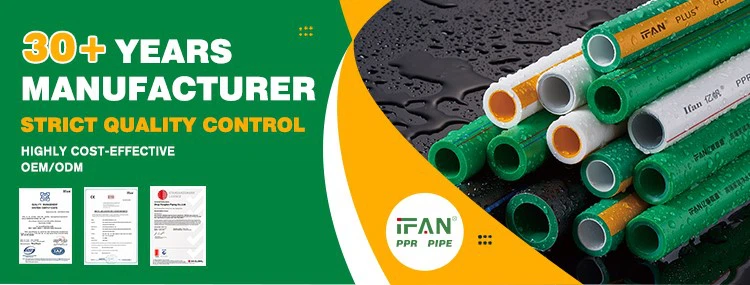
| Product Name | PPR Pipe |
| Color | Green,White,Grey,Blue,Yellow,Black or Customized |
| Size | 20-160mm |
| OEM | Support |
| Sample | Free |
| Experience | 30+Years |
| Contact Us | Click HERE to contact us now!we are online 24 hours a day to answer your questions! |
Welcome to contact IFAN, we are online 24 hours a day to answer your questions!
Advantages of PPR Pipes
PPR pipes provide several advantages over other materials. They resist corrosion and scaling effectively. This resistance extends the lifespan of the plumbing system. PPR pipes also handle high temperatures well, making them suitable for hot water supply. Additionally, they have lower thermal conductivity, improving energy efficiency.
Understanding PPR Pipe Grades
PPR pipes come in different grades, each designed for specific applications. The most common grades include PPR-1, PPR-2, and PPR-3. PPR-1 pipes suit low-pressure systems, while PPR-2 and PPR-3 handle higher pressures. Choose the appropriate grade based on your system's requirements.
Identifying the Right Diameter
Choosing the correct diameter for PPR pipes is crucial. The diameter affects water flow and pressure in the system. Common diameters include 20mm, 25mm, and 32mm. Assess your plumbing needs to determine the best size for your application. Consult a plumbing expert if you're unsure about the right diameter.
Assessing Temperature Ratings
PPR pipes perform well under various temperature conditions. They can typically handle temperatures up to 180°F (82°C). This capability makes them ideal for both hot and cold water applications. Always check the temperature rating before purchasing to ensure compatibility with your system.
Evaluating Pressure Ratings
Understanding pressure ratings is essential when selecting PPR pipes. Different grades of PPR pipes support various pressure levels. PPR-2 and PPR-3 grades generally handle pressures between 10 to 20 bar. Ensure the chosen pipes meet the pressure requirements of your plumbing system.
Selecting Pipe Fittings
Pipe fittings play a vital role in a successful plumbing system. Use compatible fittings designed for PPR pipes to ensure secure connections. Common fittings include elbows, tees, and couplings. Choosing high-quality fittings prevents leaks and maintains system integrity.
Understanding Installation Methods
Installing PPR pipes requires specific techniques for effective results. Use heat fusion for joining pipes and fittings. This method involves heating the pipe and fitting ends until they soften. Quickly join them and hold until cooled. Proper installation ensures strong, leak-free connections.
Considering Pipe Color and Markings
PPR pipes come in various colors, typically green, white, or grey. The color may indicate the intended use, such as hot or cold water. Pay attention to the markings on the pipes, which provide important information about pressure ratings and standards. Choose pipes that meet your local plumbing codes.
Assessing Compatibility with Other Materials
If you plan to connect PPR pipes to other materials, ensure compatibility. Use appropriate transition fittings when connecting to metal or other plastic pipes. This step prevents corrosion and maintains system integrity. Always consult a plumbing professional if unsure about compatibility.
Evaluating Cost Considerations
Cost plays a significant role in choosing PPR pipes. Generally, PPR pipes cost less than many other materials. However, consider the total cost, including installation and fittings. Investing in high-quality pipes may save you money in the long run due to their durability.
Understanding Maintenance Requirements
PPR pipes require minimal maintenance. Regular inspections help identify potential issues early. Check joints and connections for signs of leaks. Keeping the system clean and free of debris promotes optimal flow and performance. This maintenance extends the lifespan of your plumbing system.
Looking at Environmental Impact
Consider the environmental impact of your plumbing choices. PPR pipes offer a lower environmental footprint compared to other materials. They contain non-toxic substances and do not leach harmful chemicals. Choosing PPR supports sustainability and eco-friendly practices.
Reviewing Local Regulations
Before installation, familiarize yourself with local plumbing regulations. Each region may have specific requirements regarding materials and installation methods. Ensure that your selected PPR pipes comply with these regulations to avoid potential issues.
Consulting with Professionals
If you feel uncertain about choosing the right PPR pipes, consult professionals. Experienced plumbers can provide valuable insights based on your specific needs. They can help you assess your system requirements and suggest the best products. Professional guidance often leads to better results.
Conclusion: Making the Right Choice
Choosing the right PPR pipes involves careful consideration. Assess your needs based on temperature, pressure, and installation methods. Evaluate costs, environmental impact, and local regulations. By taking these factors into account, you can ensure a successful plumbing system that lasts for years. Enjoy the benefits of durable and efficient PPR pipes in your home or business.