| Product Name | IFAN HDPE Pipe Fittings |
| Package | Woven Bag |
| Size | 20-110mm |
| Color | Blue,Grey,Black,Red Or Customized |
| Connection | Thread |
| OEM | Support |
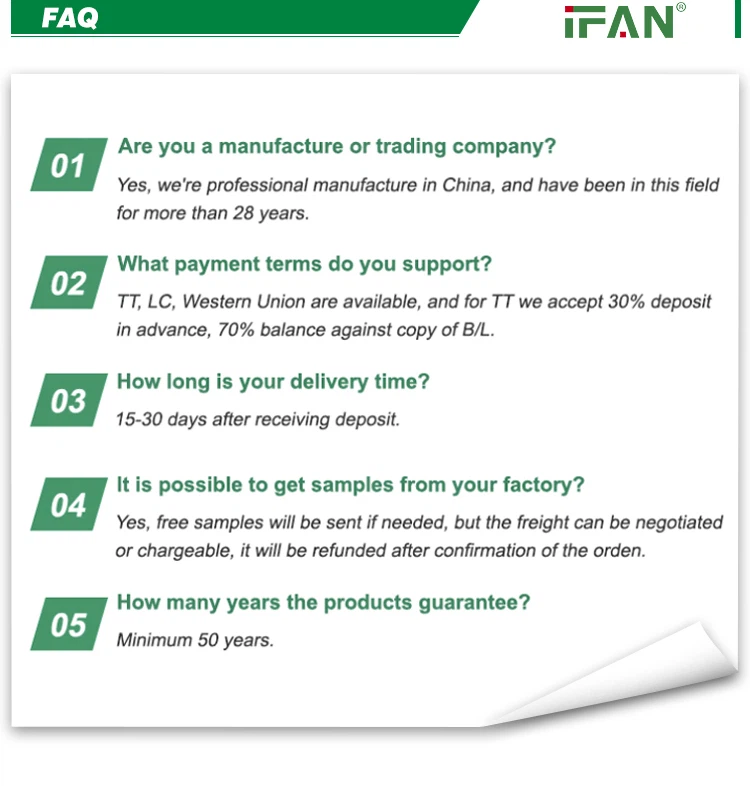
| Sample | Sample Free |
| Contact | Click HERE to contact us now! |
Welcome to contact IFAN, we are online 24 hours a day to answer your questions!
Introduction to HDPE Pipe Fittings
HDPE pipe fittings are essential in industrial fluid transport systems. HDPE stands for high-density polyethylene, a tough and flexible material. These fittings connect HDPE pipes, ensuring reliable and leak-free performance under demanding conditions. In industrial settings, fluid systems must withstand pressure, temperature changes, and chemical exposure. HDPE pipe fittings meet all these requirements. They offer superior durability, corrosion resistance, and long-term reliability. Many systems include a brass bibcock for external flow control. Together, HDPE and brass components provide a strong, adaptable solution for various industrial fluid handling needs.
Strength and Durability in Harsh Conditions
Industrial fluid transport often involves high pressures, aggressive chemicals, or extreme temperatures. HDPE pipe fittings handle these conditions without cracking or corroding. The material is resistant to acids, alkalis, and many solvents. This ensures long service life, even in chemically active environments. The fittings also withstand mechanical stress from pumps and pressure surges. A brass bibcock, commonly installed at access points, provides a durable and precise flow control option. Brass resists corrosion and pressure damage, maintaining performance in industrial zones. The combination of HDPE and brass ensures safe and efficient operation in harsh workspaces.
Chemical Resistance Ensures Fluid Integrity
HDPE pipe fittings are non-reactive and resist chemical corrosion. This is critical when transporting industrial fluids like acids, fuels, or wastewater. HDPE does not degrade or leach substances into the transported fluid. This maintains the purity of the product and protects system integrity. A brass bibcock can be used at endpoints for controlled drainage or sampling. Brass is compatible with many industrial fluids and maintains sealing performance over time. The system's chemical resistance minimizes downtime due to failure or contamination. HDPE and brass work together to create a fluid network that is both safe and dependable.
Flexibility Supports Complex Layouts
Industrial facilities often have complicated piping networks. HDPE pipe fittings offer flexibility to route pipes through tight spaces or around equipment. HDPE pipes can bend without cracking, reducing the need for extra fittings. This saves space and lowers installation costs. A brass bibcock can be positioned at key points for maintenance or fluid control. The flexibility of HDPE allows quick system modifications during upgrades or process changes. This adaptability is especially valuable in plants where equipment moves frequently. HDPE systems adjust easily without needing complete redesigns, making them ideal for growing industrial sites.
Reliable Jointing Methods
HDPE pipe fittings use fusion techniques to create strong, leak-proof joints. Heat fusion and electrofusion bond the pipes and fittings permanently. These joints are as strong as the pipe itself and prevent fluid loss. Mechanical fittings are also available for temporary or modular installations. Brass bibcocks are typically added using threaded or compression joints. These provide a reliable interface with HDPE systems. Brass handles pressure and temperature variation without weakening. The entire system, from fusion joint to outlet control, offers long-lasting reliability. Industrial operations benefit from reduced maintenance and fewer system failures.
Low Maintenance Requirements
HDPE pipe fittings require minimal maintenance once installed. They resist internal scaling, rust, and chemical wear. This lowers the frequency of inspections and replacements. Their smooth inner surface prevents buildup and reduces flow resistance. A brass bibcock is also low-maintenance due to its corrosion resistance and sturdy design. It continues to function well, even after years of use. Together, HDPE and brass reduce the need for system shutdowns or costly repairs. For industries where uptime is critical, this low maintenance advantage improves efficiency and saves money over the system's lifetime.
Cost-Effective for Long-Term Use
Though the initial cost of HDPE pipe fittings may be higher than some alternatives, they offer excellent long-term value. Their durability reduces the need for repairs and replacements. They resist damage from pressure and chemicals, minimizing emergency maintenance costs. Brass bibcocks also provide excellent return on investment. They last for years with consistent performance. When used together, HDPE and brass create a piping system with very low lifecycle costs. This makes them the preferred option for many industrial projects with long-term operational goals. Their performance and reliability ensure reduced overall ownership expenses.
Easy Integration with Existing Systems
HDPE pipe fittings are available in sizes and shapes compatible with many industrial standards. They can connect to existing metal or PVC pipelines using transition fittings. Brass bibcocks can also be added at any point where manual flow control is needed. The transition between HDPE and brass is smooth and secure. This allows companies to upgrade sections of their pipeline without replacing the entire system. Integration is quick and cost-effective. HDPE systems grow with the needs of the facility, and brass fittings add durable control points without complex changes.
Applications Across Industrial Sectors
HDPE pipe fittings are used in many industries, including food processing, chemical plants, mining, and manufacturing. Their pressure and chemical resistance makes them suitable for transporting liquids, slurries, or gasses. HDPE's non-toxic nature also makes it safe for beverage and pharmaceutical applications. A brass bibcock is often used in wash-down stations or sampling ports. Its durable build and easy operation make it suitable for repeated industrial use. Whether for clean water, wastewater, or hazardous fluids, HDPE and brass provide a dependable fluid transport solution. Their versatility supports performance in a wide range of operations.
Environmentally Responsible Choice
HDPE pipe fittings are recyclable and environmentally friendly. They do not release harmful chemicals during use or disposal. Their durability reduces waste and supports sustainability goals. Brass bibcocks are also recyclable and made from long-lasting materials. Together, these components create systems that reduce leakage, conserve resources, and require fewer replacements. In industries focused on green operations, HDPE and brass support environmental compliance. Their use helps reduce the carbon footprint of facility operations. Long service life and reusability make them responsible choices for environmentally conscious industrial fluid transport systems.
Conclusion
HDPE pipe fittings are the ideal choice for industrial fluid transport systems. Their flexibility, strength, and resistance to pressure and chemicals ensure safe operation. When combined with a brass bibcock, the system gains durable and efficient manual flow control. These materials work together to deliver leak-free performance in complex, demanding environments. Their low maintenance needs and long lifespan provide excellent value over time. Used across industries, HDPE and brass are trusted for fluid movement, control, and safety. For any industrial fluid transport project, this combination offers the performance and reliability needed to succeed.