


Good Performance PPSU Fitting
Brand: IFAN
Connecting method:Sliding
Applications:Potable Water Systems/Radiant Heating Systems/Hydronic Heating Systems/HVAC Systems/Geothermal Systems/Industrial Applications
Color:Black
Send Inquiry
Product Details ofGood Performance PPSU Fitting
Introduction:
PPSU (Polyphenylsulfone) fittings are high-performance plumbing components known for their exceptional durability and resistance to temperature and chemical degradation. Often used in medical, industrial, and residential applications, PPSU fittings are lightweight yet robust, making them ideal for both hot and cold water systems. Their non-toxic nature and ability to withstand sterilization processes make them suitable for healthcare settings. Additionally, PPSU fittings are easy to install and compatible with various piping systems, providing a reliable solution for fluid transfer. Overall, they offer a balance of performance, longevity, and safety in diverse applications.

| Product Name | PPSU Fitting |
| Size | 1/2"-1" |
| Color | Black Color Or Customized |
| Connection | Sliding |
| MOQ | 200PCS |
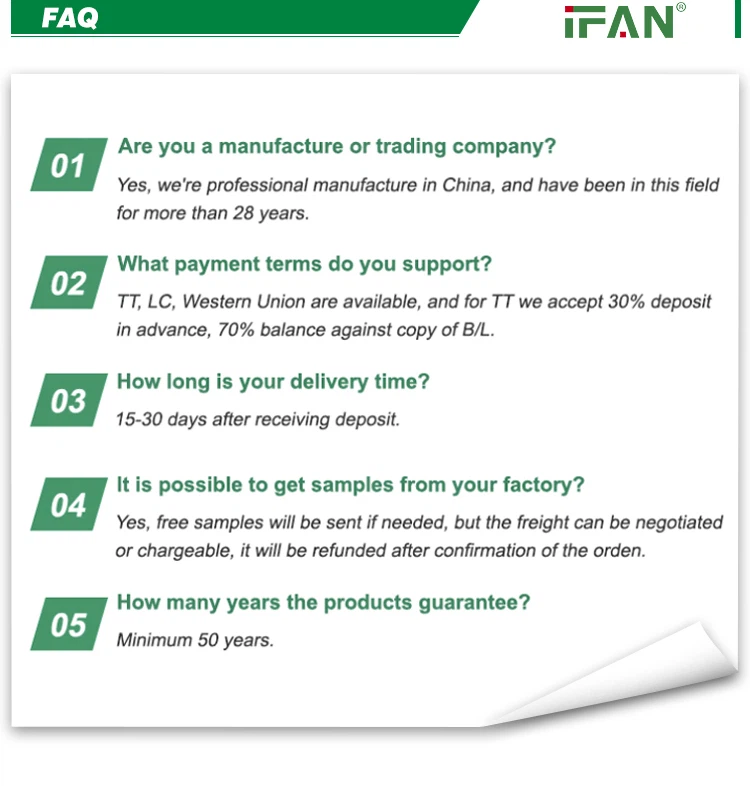
| Sample | Sample Free |
| Contact | Click HERE to contact us now! |
Welcome to contact IFAN, we are online 24 hours a day to answer your questions!
How to Conduct Environmental Monitoring for PPSU Fittings
Environmental monitoring for PPSU (Polyphenylsulfone) fittings is crucial for assessing their impact on ecosystems and ensuring compliance with sustainability standards. As industries increasingly adopt PPSU in various applications, it is essential to implement effective monitoring strategies that evaluate the environmental footprint of these materials. This article outlines a comprehensive approach to environmental monitoring for PPSU fittings, focusing on key methodologies, metrics, and best practices.
Establishing Monitoring Objectives
The first step in environmental monitoring of PPSU fittings is to establish clear objectives. These objectives should align with regulatory requirements, corporate sustainability goals, and community expectations. Common objectives may include assessing the leaching of harmful substances, evaluating the degradation rates of PPSU in various environments, and measuring the ecological impacts of PPSU waste. Setting specific, measurable goals allows stakeholders to focus their monitoring efforts on the most critical aspects of environmental impact. By clearly defining these objectives, organizations can ensure that their monitoring efforts are effective and aligned with broader environmental protection strategies.
Selecting Key Performance Indicators (KPIs)
Once monitoring objectives are established, the next step is to identify key performance indicators (KPIs) that will guide the assessment process. KPIs should reflect the environmental aspects that are most relevant to PPSU fittings, such as chemical leachate levels, greenhouse gas emissions, and the quantity of waste generated. For example, monitoring the release of potentially hazardous chemicals into soil and water can provide insights into the environmental safety of PPSU applications. Additionally, metrics related to energy consumption during manufacturing and recycling processes can help gauge the sustainability of PPSU fittings. By selecting appropriate KPIs, organizations can effectively track their environmental performance over time.
Implementing Monitoring Techniques
Implementing appropriate monitoring techniques is essential for obtaining accurate and reliable data on the environmental impact of PPSU fittings. Various techniques can be employed, including laboratory analyses, field studies, and remote sensing technologies. For instance, laboratory tests can be used to measure chemical leachate and toxicity levels, while field studies can assess the ecological impacts of PPSU waste in natural environments. Remote sensing technologies, such as satellite imagery and drones, can provide valuable data on land use changes and environmental conditions. By employing a combination of these techniques, organizations can develop a comprehensive understanding of the environmental implications associated with PPSU fittings.
Data Analysis and Interpretation
After collecting monitoring data, the next crucial step is data analysis and interpretation. Statistical methods and modeling techniques can be used to evaluate trends and patterns in the data, allowing stakeholders to assess the environmental performance of PPSU fittings over time. Comparing monitoring results against established benchmarks and regulatory standards is essential for determining compliance and identifying areas for improvement. Additionally, using data visualization tools can help convey complex information to stakeholders, enhancing communication and transparency. By effectively analyzing and interpreting monitoring data, organizations can make informed decisions that drive environmental sustainability initiatives.
Reporting and Continuous Improvement
Finally, transparent reporting of monitoring results is vital for promoting accountability and fostering stakeholder trust. Regular reports should outline the findings from environmental monitoring efforts, highlight achievements, and identify areas for improvement. Engaging stakeholders-such as employees, customers, and regulatory bodies-in this process can enhance the credibility of the monitoring program and encourage collaboration on sustainability initiatives. Additionally, organizations should use the insights gained from monitoring to inform continuous improvement efforts. By establishing feedback loops that integrate monitoring results into decision-making processes, organizations can adapt and refine their practices to minimize the environmental impact of PPSU fittings effectively. Through this approach, they can contribute to a more sustainable future while maintaining compliance with environmental standards.


Hot Tags: good performance ppsu fitting, China good performance ppsu fitting manufacturers, suppliers, factory
Previous
Customized Size PPSU FittingNext
Black PPSU FittingSend Inquiry
