
PPR pipes are widely used for various applications, including plumbing, heating, and cooling systems. One of the most common questions asked about PPR pipes is whether they are suitable for hot water. In this article, we will explore the topic of whether PPR pipes can be used for hot water applications.
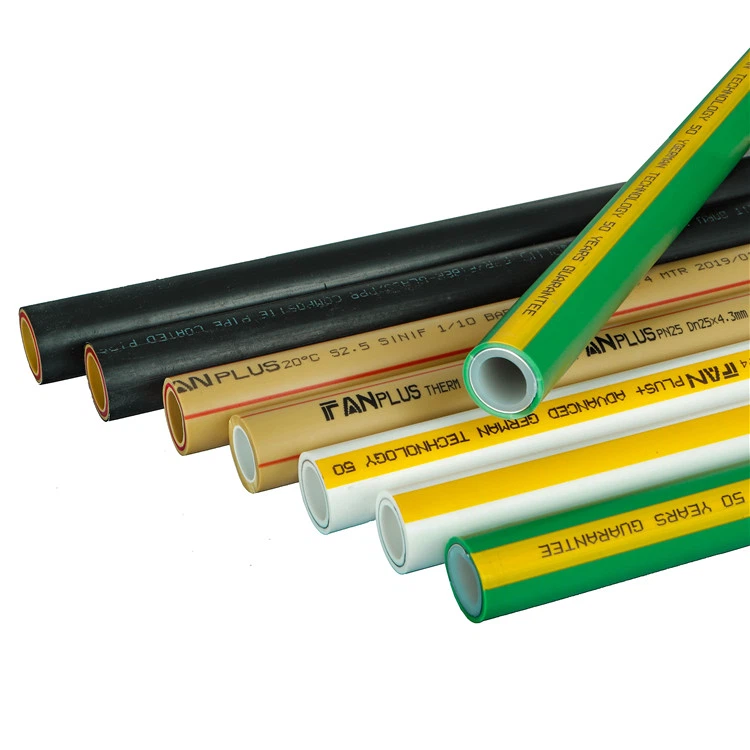
Understanding PPR Pipes
PPR stands for Polypropylene Random Copolymer, which is a thermoplastic material that is widely used in the production of pipes and fittings. PPR pipes are known for their excellent mechanical properties, durability, and resistance to corrosion, making them an ideal choice for various applications.
Temperature Resistance of PPR Pipes
PPR pipes are designed to withstand high temperatures and can handle hot water up to 95 degrees Celsius. The pipes have a high melting point and can withstand temperatures of up to 160 degrees Celsius, making them suitable for hot water applications.
Advantages of Using PPR Pipes for Hot Water
PPR pipes offer several advantages when used for hot water applications. They are easy to install, lightweight, and can withstand high temperatures, making them an ideal choice for plumbing and heating systems. PPR pipes have a smooth interior surface, which helps to prevent scale buildup, reducing the risk of blockages and maintaining a constant flow rate. Additionally, PPR pipes are resistant to corrosion and chemical attack, ensuring the longevity of the piping system.
Installation of PPR Pipes for Hot Water
When installing PPR pipes for hot water applications, it is important to ensure that the pipes are correctly sized and the joints are properly welded. The welding process involves heating the ends of the pipes to the required temperature and joining them together using a PPR welding machine. The joints are strong, leak-free, and resistant to chemical attack, ensuring the longevity of the piping system.
Maintenance of PPR Pipes for Hot Water
To maintain the efficiency and longevity of PPR pipes in hot water applications, it is important to carry out regular maintenance. This includes flushing the system regularly to remove any sediment or debris that may have accumulated. Additionally, it is important to ensure that the water temperature does not exceed the maximum recommended temperature for the PPR pipes.
Conclusion
In conclusion, PPR pipes can be used for hot water applications, thanks to their excellent mechanical properties, temperature resistance, and resistance to corrosion. When installing PPR pipes for hot water applications, it is important to ensure that the pipes are correctly sized, and the joints are properly welded to prevent leaks and ensure the longevity of the piping system. With proper installation and maintenance, PPR pipes can provide a reliable and efficient solution for hot water applications.