
PPR pipes, also known as polypropylene random copolymer pipes, are a type of plastic pipe used in plumbing, heating, and cooling systems. Like any other material, PPR pipes have advantages and disadvantages. In this article, we will discuss the advantages and disadvantages of PPR pipes in detail.
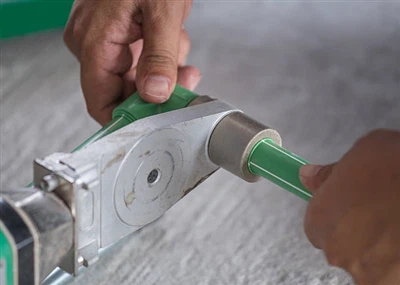
Advantages of PPR Pipes
Corrosion resistance
One of the most significant advantages of PPR pipes is their high resistance to corrosion. Unlike metal pipes, PPR pipes do not rust or corrode over time. They are also resistant to scale formation and do not promote the breeding of bacteria, making them an excellent choice for plumbing systems.
Non-toxic
PPR pipes are non-toxic and environmentally friendly. They are safe to use for carrying drinking water and meet the requirements of national drinking water standards. They do not leach any harmful chemicals into the water, ensuring that the water remains pure and safe to drink.
High temperature resistance
PPR pipes have excellent high-temperature resistance and can withstand water temperatures of up to 95 degrees Celsius. This makes them ideal for use in hot water systems, such as central heating systems, where the water temperature can be quite high.
Smooth inner wall
The inner wall of PPR pipes is smooth, which reduces water flow resistance and ensures that water flows through the pipes smoothly and efficiently. This also reduces the amount of energy needed to pump water through the pipes.
High strength
PPR pipes are highly durable and can withstand impact and high temperatures. They are strong and do not crack easily, making them suitable for use in high-temperature environments.
Disadvantages of PPR Pipes
Large thermal expansion coefficient at high temperature
PPR pipes have a large thermal expansion coefficient at high temperatures, which means that they are prone to deformation and bending when exposed to high temperatures. This can lead to leaks and other problems in the plumbing system.
Poor low-temperature impact resistance
PPR pipes have poor low-temperature impact resistance, which means that they may not be suitable for use in environments where the temperature can drop below freezing. In such environments, the pipes may become brittle and crack, leading to leaks and other problems.
Conclusion
PPR pipes are an excellent choice for plumbing systems due to their many advantages, including their high resistance to corrosion, non-toxicity, high-temperature resistance, smooth inner wall, and high strength. However, they do have some disadvantages, such as their large thermal expansion coefficient at high temperatures and poor low-temperature impact resistance. These disadvantages must be taken into consideration when choosing PPR pipes for a plumbing system. Overall, PPR pipes are a good choice for many applications and offer several advantages over other types of pipes.
Contact:
We will reply your email or fax within 24 hours.
You can call us at any time if there is any question on our production.
For more information,pls visit our webside https://www.ifan-plast.com
Pls Mailto: sales11-ifan@group.com