


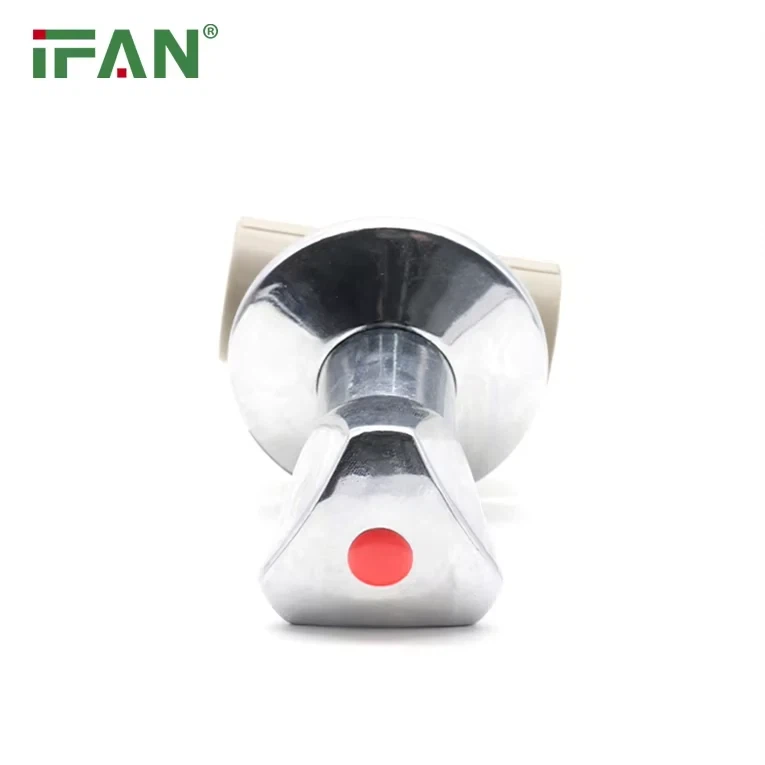
PPR Concealed Valve For Centralized Water Systems
Color:Green Or Customized
Brand:IFAN/IFANPLUS/OEM/No Brand
Connecting method:Hot Welding Or Customized
Applications:Water Control
Experience;30+years
OEM&ODM:Support
Sample:Free
Send Inquiry
Product Details ofPPR Concealed Valve For Centralized Water Systems
Introduction
PPR concealed valves are essential components in modern plumbing systems. They regulate water flow and ensure efficient performance. Proper installation ensures longevity and optimal functionality.

| Product Name | PPR Concealed Valve |
| Color | Green Or Customized |
| Feature | Corrosion Protection |
| OEM | Support |
| Sample | Free |
| Experience | 30+Years |
| Contact Us | Click HERE to contact us now! we are online 24 hours a day to answer your questions! |
Welcome to contact IFAN, we are online 24 hours a day to answer your questions!
IFAN factory 30+ years manufacture experience support color /size customization support free sample.Welcome to consult for catalog and free samples.This is our Store Website:https://www.ifan-plast.com/,Click to watch IFAN's product video.Our IFAN products are your best choice from quality to price, welcome to buy!
PPR Concealed Valve for Centralized Water Systems
Centralized water systems are an integral part of modern building infrastructure. These systems supply water to various points in large buildings or complexes from a single, central source. The design of these systems ensures that water is distributed efficiently and evenly across multiple locations within a building. The centralization of water delivery offers a streamlined approach to plumbing, reducing complexity and improving overall system efficiency.
The key feature of centralized water systems is the way they manage and distribute water throughout the building. Water is typically stored in a central reservoir or tank and pumped throughout the building via a network of pipes. The distribution system can span multiple floors, sections, or units, ensuring that all parts of the building receive water from the same source. The water is usually delivered to fixtures such as taps, showers, and toilets, where it is used as needed.
The piping network in a centralized water system is designed to deliver water to multiple areas within the building without interruption. These pipes are often large, spanning long distances and multiple floors. Properly designing and installing this network ensures that water flows efficiently to each point of use, preventing issues such as low water pressure or inconsistent delivery.
Centralized water systems are often designed with redundancy to ensure continuous service. Multiple pipes may run parallel to each other, with additional valves and mechanisms placed strategically to prevent disruption in case of pipe failure. This redundancy ensures that even if one part of the system faces issues, others can continue to supply water. This design is especially important in buildings with high water demand.
The central source of water in a building's plumbing system is typically connected to a municipal water supply or a private well. This water is treated to meet safety standards before being distributed throughout the building. Treatment processes may include filtration, disinfection, and other procedures to ensure that the water is safe for consumption and use.
A centralized water system's design must account for factors such as water demand, building layout, and usage patterns. For instance, taller buildings may require more advanced designs to ensure that water reaches upper floors with sufficient pressure. Similarly, buildings with larger numbers of residents or tenants will have higher water demand, requiring careful consideration in the system's capacity.
Maintenance of centralized water systems is vital to ensure their continued functionality. Regular inspections and cleaning of pipes, tanks, and pumps help prevent blockages, leaks, and other issues that could disrupt water distribution. In addition to routine maintenance, system upgrades may be required to accommodate changes in building occupancy or water usage patterns.
The piping system within a centralized water system is usually made of durable materials such as PPR, PVC, or copper. These materials are chosen for their ability to resist corrosion and withstand the pressures associated with water flow. Proper installation and sealing of pipes are essential to prevent leaks and ensure the system operates efficiently over time.
Centralized water systems are often equipped with a series of valves that control the flow of water. These valves allow for easy shutoff of water to specific parts of the building in the event of a repair or maintenance task. The valves are usually strategically placed at key points in the system to provide optimal control over water distribution.
Water meters are typically installed in centralized water systems to measure water usage accurately. These meters help monitor consumption and provide data for billing purposes. In larger buildings, submeters may be installed to track water usage in specific areas or units, helping to identify inefficiencies and reduce waste.
One challenge of centralized water systems is managing varying water demand. Throughout the day, water usage can fluctuate based on factors such as time of day, building occupancy, and external factors like weather conditions. To accommodate these changes, the system must be designed to handle these variations without affecting performance. Storage tanks and pressure regulators are often employed to help manage these fluctuations.
Centralized water systems are beneficial for buildings with multiple units, such as apartments, hotels, or offices. They provide a unified, efficient solution for water delivery, as opposed to decentralized systems where each unit would require its own water supply. By using a single source, centralized systems reduce the need for individual water connections, simplifying installation and reducing overall costs.
For safety reasons, centralized water systems are usually equipped with backup systems to ensure water continues to flow in the event of power outages or equipment failure. These backup systems, such as secondary pumps or emergency power sources, ensure that the system remains operational even during unexpected circumstances.
Another important consideration in centralized water systems is water conservation. To promote sustainability, these systems are often designed with water-saving features such as low-flow faucets, pressure-reducing valves, and efficient hot water delivery systems. By optimizing water usage, centralized systems can help reduce overall consumption, contributing to environmental conservation.
Water storage in centralized systems is typically managed in large tanks or reservoirs. These storage units ensure that there is always an adequate supply of water available, even during peak demand periods or supply interruptions. The size and capacity of these storage tanks are carefully calculated based on the building's water needs and occupancy.
The installation of centralized water systems requires careful planning and coordination. Designers must consider the layout of the building, the number of floors, and the intended use of the space when determining the most effective way to route the water pipes. Additionally, they must account for factors such as accessibility for maintenance, potential for future expansion, and local building codes.
Modern centralized water systems are often integrated with smart technology to enhance their efficiency. For example, sensors and automated controls can monitor water usage, detect leaks, and optimize water distribution based on real-time data. These innovations help reduce waste, improve system performance, and provide valuable insights into water consumption patterns.
Energy efficiency is another consideration in centralized water systems. Pumps and heating systems must be designed to minimize energy consumption while maintaining reliable service. Energy-efficient pumps, heat exchangers, and insulation are commonly used to reduce the system's overall environmental impact.
Water quality monitoring is also a key aspect of centralized water systems. Since the water supply is drawn from a central source, it is important to regularly test and monitor water quality to ensure it meets health standards. Advanced filtration and treatment processes may be employed to maintain clean, safe water for the building's occupants.
The management of centralized water systems requires coordination among various building management teams, engineers, and maintenance personnel. Regular inspections, system updates, and maintenance tasks are necessary to keep the system running smoothly. A well-maintained centralized system ensures that water is delivered efficiently and reliably, enhancing the comfort and convenience of those who rely on it.
In conclusion, centralized water systems are essential in large buildings or complexes, providing a reliable and efficient method for water distribution. These systems rely on carefully designed piping networks, water storage, and pressure control mechanisms to ensure optimal performance. Maintenance, monitoring, and integration of modern technology contribute to the system's efficiency and sustainability, ensuring that water is delivered effectively to all parts of the building.


Hot Tags: ppr concealed valve for centralized water systems, China ppr concealed valve for centralized water systems manufacturers, suppliers, factory, Male Socket PPR, PPR Air Vent Valve, PPR Plastic Union, PPR Pipe Elbow, PPR Equal Tee, PPR Crossover
Send Inquiry
