


China Supply ASTM F2623 Pex Pipe
Brand: IFAN/OEM
Applications:Potable Water Systems/Radiant Heating Systems/Hydronic Heating Systems/HVAC Systems/Geothermal Systems
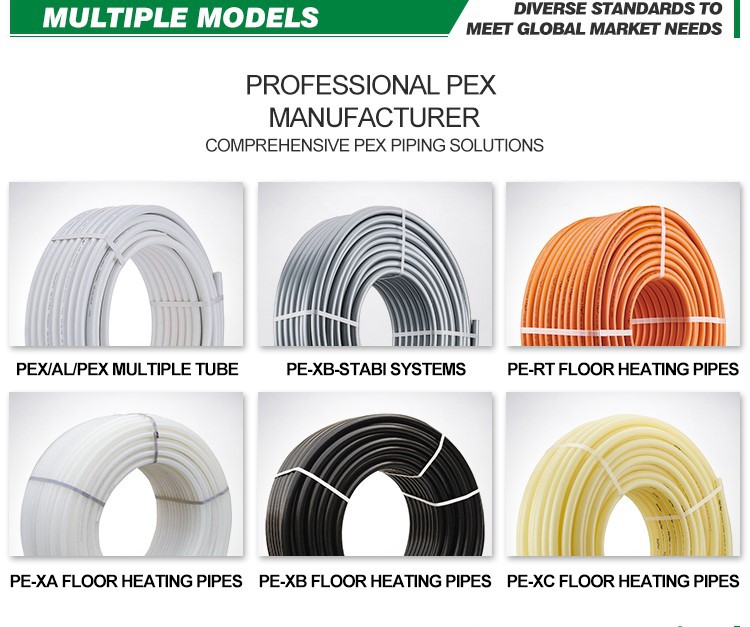
Color:White,Bule,Yellow,Orange,Grey,Red,Purple Or Customized
Send Inquiry
Product Details ofChina Supply ASTM F2623 Pex Pipe
Introduction:
PEX is a flexible plastic pipe that can be laid over long distances without many connections, which reduces the likelihood of leaks. The flexibility and expandability of the plastic pipe prevents cracking due to freezing temperatures.

| Product Name | IFAN PEX Pipe |
| Standard | ASTM F2623,BS EN ISO 22391,DIN 16833,GBT28799,ISO 22391 |
| Size | 16-32mm |
| Color | White,Bule,Yellow,Orange,Grey,Red,Purple Or Customized |
| Connection | Compression/Press/Sliding Fittings |
| Length | 100-500M per roll |
| Sample | Sample Free |
| Contact | Click HERE to contact us now! |
Welcome to contact IFAN, we are online 24 hours a day to answer your questions!
Assessing the Impact of PEX Underfloor Heating Pipe Materials on Human Health
Introduction to PEX Pipes and Health Concerns
PEX (cross-linked polyethylene) pipes are commonly used in underfloor heating systems due to their flexibility, durability, and ease of installation. However, as with any material used in close proximity to living spaces, there are concerns about potential impacts on human health. This article explores the various aspects of PEX pipe materials, including potential chemical leaching, regulatory standards, and their overall safety in residential and commercial environments. Understanding these factors is crucial for ensuring that PEX pipes do not pose risks to human health while providing effective heating solutions.
Chemical Leaching and Its Implications
One of the primary health concerns associated with PEX pipes is the potential for chemical leaching into the water supply. During the initial use, PEX pipes can release low levels of substances such as antioxidants, stabilizers, and plasticizers used in the manufacturing process. Regulatory bodies, including the NSF (National Sanitation Foundation) and ASTM (American Society for Testing and Materials), set stringent standards to limit these levels and ensure that they do not exceed safe thresholds. Studies have indicated that the concentrations of these substances are typically well below levels that would pose a health risk. However, ongoing monitoring and research are important to confirm long-term safety and address any emerging concerns.
Regulatory Standards and Certifications
To address health concerns and ensure safety, PEX pipes are subject to rigorous regulatory standards and certifications. Organizations such as NSF International and ASTM provide certifications that verify PEX pipes meet specific criteria for safety, including limits on chemical leaching and material integrity. These standards are designed to protect consumers by ensuring that PEX pipes used in potable water systems do not adversely affect water quality or pose health risks. Certification processes involve extensive testing and evaluation to ensure that PEX materials comply with established health and safety guidelines.
Potential Allergic Reactions and Sensitivities
While PEX pipes are generally considered safe, there is a potential for some individuals to experience allergic reactions or sensitivities. The cross-linking process used in PEX pipe production involves chemical treatments that could, in rare cases, cause skin irritations or respiratory issues in highly sensitive individuals. However, such reactions are uncommon and are usually related to direct contact with the raw material rather than typical use in plumbing systems. Ensuring proper handling and installation practices can minimize the risk of exposure to any residual chemicals, and individuals with known sensitivities should consult with professionals to address their specific concerns.
Best Practices for Ensuring Health and Safety
To ensure that PEX pipes do not negatively impact human health, several best practices should be followed. First, use PEX pipes that are certified by reputable organizations to ensure they meet safety standards. Second, ensure proper installation and maintenance to avoid issues such as leaks or contamination. Third, perform regular inspections and water testing to monitor for any changes in water quality. Finally, educate yourself and others about the potential risks and proper handling of PEX materials. By adhering to these best practices, you can mitigate potential health risks and ensure the safe use of PEX pipes in your heating system.
Conclusion
PEX underfloor heating pipes are a popular choice for modern heating systems due to their flexibility and durability. While there are some health concerns related to chemical leaching and potential allergic reactions, regulatory standards and certifications provide a robust framework for ensuring safety. By understanding and following best practices for installation, maintenance, and monitoring, you can effectively manage any potential risks and ensure that PEX pipes contribute to a healthy and efficient heating system. Ongoing research and adherence to safety standards are essential for maintaining the confidence and well-being of consumers.




Hot Tags: china supply astm f2623 pex pipe, China china supply astm f2623 pex pipe manufacturers, suppliers, factory, PVC Union Fitting, PPR Crossover, PPR Water Heater Elbow, PPR Cross Tee, Glass Fiber PPR Pipe, HDPE Male Socket
Send Inquiry
