


Wholesale ASTM F2623 Pex Heating Floor Pipe
Brand: IFAN/OEM
Applications:Potable Water Systems/Radiant Heating Systems/Hydronic Heating Systems/HVAC Systems/Geothermal Systems
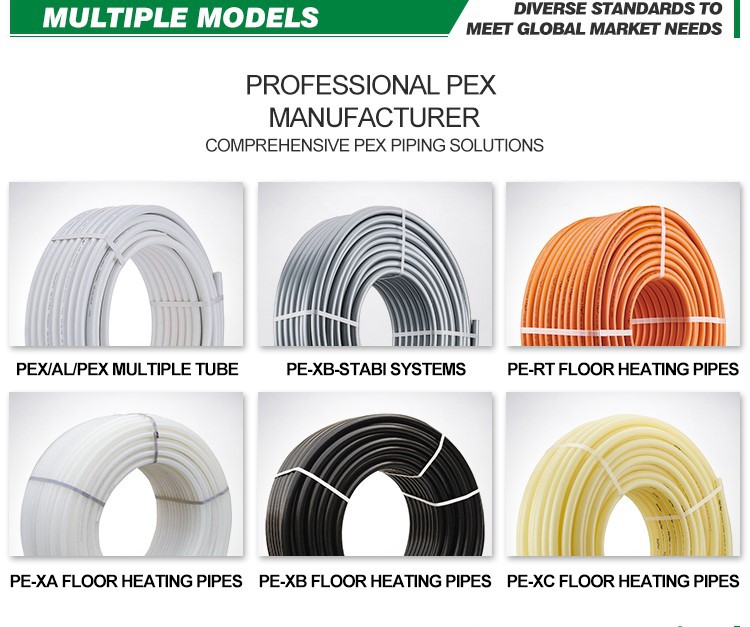
Color:White,Bule,Yellow,Orange,Grey,Red,Purple Or Customized
Send Inquiry
Product Details ofWholesale ASTM F2623 Pex Heating Floor Pipe
Introduction:
PEX is a flexible plastic pipe that can be laid over long distances without many connections, which reduces the likelihood of leaks. The flexibility and expandability of the plastic pipe prevents cracking due to freezing temperatures.

| Product Name | IFAN PEX Pipe |
| Standard | ASTM F2623,BS EN ISO 22391,DIN 16833,GBT28799,ISO 22391 |
| Size | 16-32mm |
| Color | White,Bule,Yellow,Orange,Grey,Red,Purple Or Customized |
| Connection | Compression/Press/Sliding Fittings |
| Length | 100-500M per roll |
| Sample | Sample Free |
| Contact | Click HERE to contact us now! |
Welcome to contact IFAN, we are online 24 hours a day to answer your questions!
Evaluating the Hardness Levels of PEX Underfloor Heating Pipe Materials
Introduction to PEX Pipe Hardness
PEX (cross-linked polyethylene) pipes are a preferred choice for underfloor heating systems due to their flexibility, resistance to corrosion, and ease of installation. However, one critical property that affects their performance and durability is hardness. The hardness of PEX pipes influences their ability to withstand physical stresses, resist damage, and maintain structural integrity over time. This article explores the concept of hardness in PEX materials, how it is measured, and its impact on the performance of underfloor heating systems.
Understanding Hardness in PEX Materials
Hardness in PEX pipes refers to the material's resistance to deformation, scratching, and abrasion. It is a key factor that determines how well the pipes can endure mechanical stress and environmental conditions. PEX pipes are typically categorized based on their hardness levels, which are influenced by the degree of cross-linking in the polyethylene. The cross-linking process improves the material's hardness, making it more resilient to external pressures. Understanding the hardness of PEX pipes helps in selecting the right type of pipe for specific applications and ensures that the material can perform reliably under various conditions.
Measuring Hardness Levels
The hardness of PEX materials is commonly measured using standardized methods such as the Shore D hardness scale. This scale assesses the hardness of plastics and rubber, providing a numerical value that reflects the material's resistance to indentation. The Shore D hardness scale ranges from 0 to 100, with higher values indicating greater hardness. For PEX pipes, typical Shore D hardness values range from 50 to 70, depending on the formulation and manufacturing process. Accurate measurement of hardness is essential for ensuring that the pipes meet industry standards and can perform effectively in underfloor heating systems.
Impact of Hardness on Performance
The hardness of PEX pipes directly impacts their performance in underfloor heating systems. Pipes with higher hardness levels are generally more resistant to abrasion and physical damage, making them suitable for applications where mechanical stress is a concern. However, excessively hard pipes may become brittle and prone to cracking if subjected to extreme temperatures or impacts. Conversely, pipes with lower hardness levels offer greater flexibility but may be more susceptible to wear and tear. Striking the right balance in hardness is crucial for optimizing the performance and longevity of the heating system.
Factors Affecting PEX Pipe Hardness
Several factors influence the hardness of PEX pipes, including the type of polyethylene used, the degree of cross-linking, and the manufacturing process. Different grades of polyethylene, such as PEX-A, PEX-B, and PEX-C, exhibit varying hardness levels due to differences in their cross-linking methods. PEX-A pipes, for example, are known for their higher flexibility and lower hardness compared to PEX-B and PEX-C pipes. Additionally, environmental factors such as temperature and exposure to chemicals can affect the hardness of PEX materials over time. Proper material selection and adherence to manufacturing standards are essential for maintaining the desired hardness levels and ensuring optimal performance.
Conclusion
The hardness of PEX underfloor heating pipe materials is a critical factor that affects their performance, durability, and overall suitability for heating systems. By understanding how hardness is measured and its impact on pipe performance, you can make informed decisions about material selection and ensure that the pipes meet the necessary standards for effective operation. Balancing hardness with other properties such as flexibility and resistance to environmental factors is key to achieving a reliable and long-lasting heating system. Continuous evaluation and adherence to industry standards will help maintain the integrity and efficiency of PEX pipes in various applications.




Hot Tags: wholesale astm f2623 pex heating floor pipe, China wholesale astm f2623 pex heating floor pipe manufacturers, suppliers, factory
Previous
Thermal Memory PEX PipesSend Inquiry
