
Selecting the Right PEX Fitting Materials: Essential Guidelines
When choosing PEX (cross-linked polyethylene) fittings for plumbing projects, the material selection is crucial to ensure performance, durability, and cost-effectiveness. This guide provides essential recommendations for selecting the best PEX fittings material, helping you make informed decisions for your plumbing needs.
1. Understand the Types of PEX Materials
PEX fittings are available in several types, including PEX-a, PEX-b, and PEX-c. Each type of PEX material has unique properties that affect its suitability for different applications. PEX-a, known for its flexibility and resistance to kinking, is ideal for intricate installations and is more forgiving during cold temperatures. PEX-b, with its higher resistance to chlorine and lower cost, is widely used in residential plumbing. PEX-c, which is cross-linked through irradiation, offers excellent resistance to high temperatures. Understanding these differences helps in choosing the right type based on your specific plumbing needs and environmental conditions.
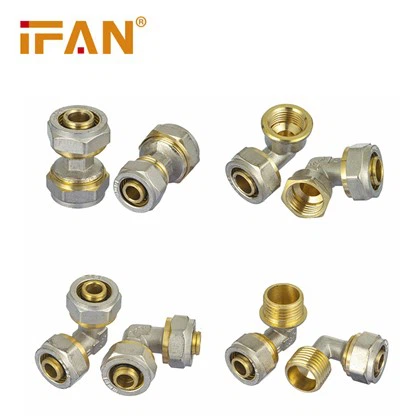
2. Consider Compatibility with Existing Systems
When selecting PEX fittings, ensure that they are compatible with your existing plumbing system. PEX fittings are designed to work with various types of pipes and connectors, but compatibility is key for a leak-free installation. Check if the fittings are compatible with other materials in your system, such as copper or CPVC pipes. Many PEX fittings come with adapters or connectors to facilitate integration with different pipe materials, making it easier to retrofit or upgrade existing plumbing systems. Proper compatibility ensures a smooth installation process and long-term reliability.
3. Evaluate Performance and Durability
The performance and durability of PEX fittings are critical factors to consider. Look for fittings that are certified by relevant standards, such as ASTM F1960 or NSF/ANSI 61, which guarantee quality and safety. High-quality PEX fittings should be resistant to corrosion, scaling, and chemical damage, ensuring a longer lifespan and reduced need for replacements. Additionally, check the pressure and temperature ratings of the fittings to ensure they meet the demands of your plumbing system. Durable fittings help minimize maintenance issues and contribute to the overall efficiency of the plumbing system.

4. Assess Installation Requirements and Ease
Different PEX fittings come with varying installation requirements. Some may require specialized tools or techniques, while others are designed for easy, tool-free installation. For instance, push-fit or push-to-connect fittings simplify the installation process by eliminating the need for crimping tools. Consider the ease of installation when selecting fittings, especially if you are a DIY enthusiast or have a tight installation schedule. Choosing fittings that match your installation skills and tools can save time and reduce labor costs, making the project more efficient.
5. Evaluate Cost and Long-Term Value
Cost is an important consideration when selecting PEX fittings, but it should be balanced with long-term value. While cheaper fittings may offer immediate savings, they may not provide the same durability and performance as higher-quality options. Investing in well-reviewed, high-quality PEX fittings can lead to fewer repairs and replacements over time, ultimately saving money in the long run. Compare prices and features across different brands and types of fittings to ensure you are getting the best value for your investment. Consider the overall cost of ownership, including potential maintenance and repair costs, to make a well-rounded decision.
In conclusion, selecting the right PEX fitting materials involves understanding the types of PEX, ensuring compatibility with existing systems, evaluating performance and durability, considering installation requirements, and balancing cost with long-term value. By following these guidelines, you can make an informed choice that enhances the efficiency and reliability of your plumbing system.