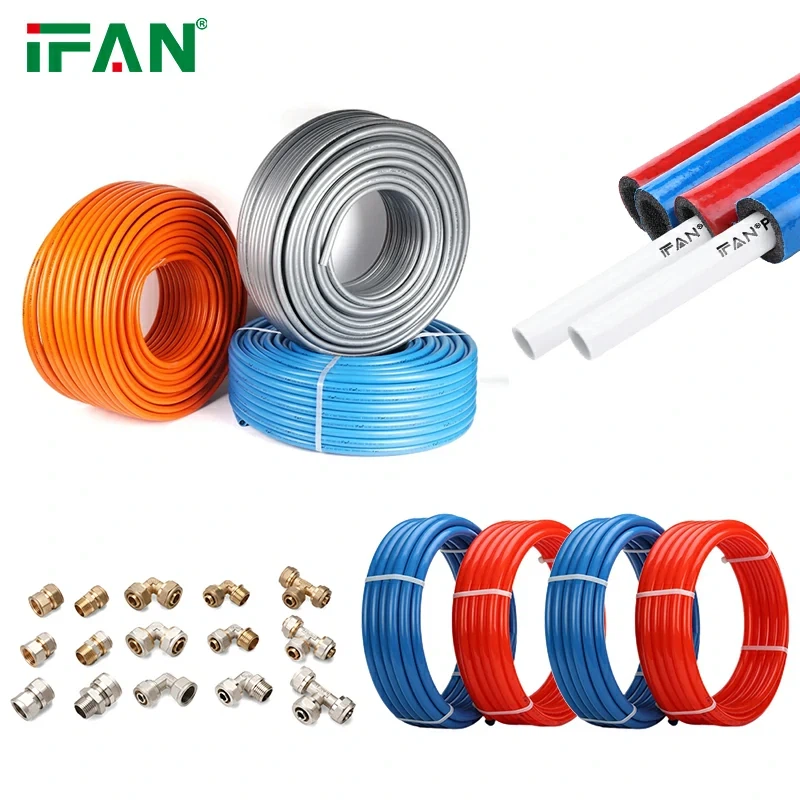
It can hold about 1000-1200 liters of water. The volume of a normal one-meter floor heating pipe is 3.14*0.08*2=0.02 cubic meters, which means that one meter of floor heating requires 20 liters of water. If calculated according to the distance between the floor heating pipes of 20 cm, the length of one square meter of floor heating pipes is about 5-6 meters, 5 or 6 meters * 20 liters = 100 liters - 120 liters. The normal distance between geothermal pipes is 20 cm, and most of them use 6-12 pipes, and one pipe is coiled. When the heating area is 100 square meters, about 1000-1200 liters of water are needed.
If you're planning a 100 square meter underfloor heating (UFH) system, a common rule of thumb is that it will need between 1,000 and 1,200 liters of water. This figure isn't just a guess; it's a practical estimate that comes from looking at the entire system, not just the pipes in the floor.
Let's break down where that water goes.
The Pipes in the Floor: The Main Event
Most of the water is, of course, inside the heating loops under your floor. Here's a straightforward way to calculate that:
Water in the Pipes: A common UFH pipe size is 16mm. A single meter of this pipe holds approximately 0.113 liters of water.
Total Pipe Length: With a standard pipe spacing of 20cm, one square meter of floor requires about 5-6 meters of tubing. For a 100m² area, that's 500 to 600 meters of pipe in total.
Subtotal: 500-600 meters of pipe × 0.113 liters/meter = 565 to 678 liters.
So, the pipes themselves hold around 570-680 liters. But the system is more than just the loops.
The Rest of the System: Where the Extra Water Is
The initial 1,000-1,200 liter estimate is higher because it accounts for the entire hydronic circuit. This includes:
The Manifold: The central unit that distributes water to all the individual loops holds a significant volume.
The Heat Source: Your boiler or heat pump has its own internal water passages and heat exchanger.
Supply and Return Lines: The pipes running from the heat source to the manifold.
The Expansion Vessel and Pump: These essential components also contribute to the total system volume.
When you add the water from all these parts to the water in the floor loops, the 1,000-1,200 liter range becomes a realistic and practical benchmark for system design.
Why Getting the Water Volume Right Matters
Knowing the total system volume is not just a technicality-it's critical for performance and safety.
1.Sizing the Expansion Tank: Water expands when heated. The expansion tank must be correctly sized based on the total system volume to safely absorb this expansion. An undersized tank can lead to excessive pressure and potential damage.
2.Choosing the Right Pump: The circulator pump needs to be powerful enough to move all the water through the entire system against its inherent resistance. This ensures every heating loop gets enough hot water for even warmth.
3.System Stability and Efficiency: The water in the system acts as "thermal mass." A properly sized volume helps the system maintain a stable temperature, allowing your heat source to run in efficient, longer cycles rather than short, frequent bursts.
In a Nutshell
While the pipes in your floor hold the majority of the water, the full picture includes the entire circuit. For a 100m² underfloor heating system, planning for 1,000 to 1,200 liters is a reliable industry standard. Confirming this volume with your installer ensures your system is safe, efficient, and perfectly balanced for long-term comfort.