
Standard rating is 100 psi at 180°F
PEX compression fittings typically handle 100 psi (6.9 bar). This rating applies at 180°F (82°C). It matches standard PEX pipe ratings exactly. Example: residential water heaters operate at 50-60 psi.
Higher rating at room temperature
At 73°F (23°C), the rating increases significantly. Many fittings handle 150-200 psi at room temperature. The plastic pipe itself becomes the limiting factor. PEX compression fittings exceed pipe burst strength at cold temperatures. Example: cold water mains at 80 psi are perfectly safe.
Burst pressure is much higher
The burst pressure tests at 400-600 psi typically. This is 4-6 times the working pressure. Safety margins protect against pressure spikes. PEX compression fittings have large safety factors built in. Example: a sudden 150 psi spike will not cause failure.
Temperature derating curve applies
As temperature goes up, pressure rating goes down. At 140°F (60°C), rating might be 120 psi. At 200°F (93°C), rating drops to 60-80 psi. PEX compression fittings follow standard polymer derating rules. Example: hydronic heating at 160°F needs 100 psi fittings.
ASTM standards confirm ratings
ASTM F1807 specifies 100 psi at 180°F. ASTM F1960 has the same requirement. Both are industry consensus standards. PEX compression fittings must meet these to be certified. Example: look for ASTM markings on the fitting package.
Example: typical residential application
A house has 3/4-inch PEX main line at 60 psi. Hot water is 120°F at 50 psi. These pressures are well below 100 psi. PEX compression fittings work with huge safety margin. Example: no risk of pressure-related failure.
Example: high-rise building booster pump
A building needs a booster pump for upper floors. The pump delivers 120 psi at 80°F. Standard 100 psi fittings would be insufficient. PEX compression fittings with higher ratings are available. Example: some brands offer 160 psi cold water ratings.
Comparison to other fitting types
Crimp fittings have similar 100 psi at 180°F ratings. Push-fit fittings also match this standard. All three types meet residential needs equally. PEX compression fittings are not weaker or stronger. Example: choose based on installation preference, not pressure.
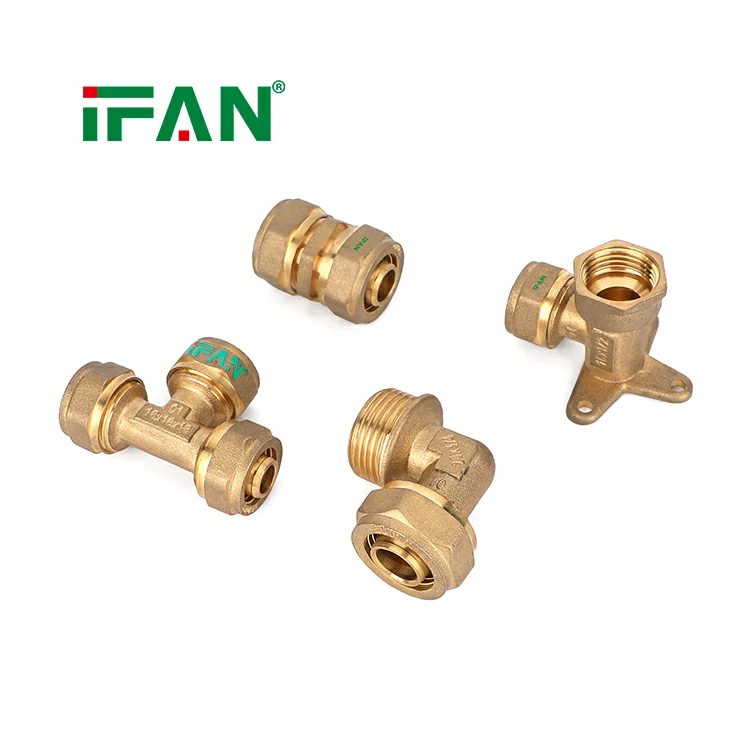
Pressure rating versus pipe rating
PEX pipe Type A has 100 psi at 180°F too. Type B is also rated the same. Fittings do not become the weak link. PEX compression fittings maintain system integrity. Example: the pipe will burst before the fitting fails.
Testing requirements for certification
Samples must pass a 150 psi hydrostatic test. No leaks or damage allowed during testing. Burst tests go to 400+ psi minimum. PEX compression fittings are rigorously validated before sale. Example: third-party labs verify manufacturer claims.
When to use higher-rated fittings
Commercial applications above 100 psi need special fittings. Industrial systems may require 160 psi or more. High-temperature heating may need derated values. PEX compression fittings are available in upgraded versions. Example: commercial boilers often specify 125 psi fittings.
Final pressure rating summary
PEX compression fittings typically carry 100 psi at 180°F. This matches standard residential PEX pipe perfectly. Cold water ratings exceed 150 psi for extra safety. Burst pressure is 4-6 times higher than working pressure. Always check manufacturer data for your specific model. Do not exceed 100 psi at 180°F without verification. For typical homes, these ratings provide decades of safe service. Example: standard fittings are more than adequate for nearly all residential plumbing.