
Brass fittings play a crucial role in various industries, offering durability and corrosion resistance. However, within the realm of brass fittings, distinctions arise between red brass and yellow brass. In this article, we'll delve into the key differences between these two types of fittings, exploring their compositions, applications, and advantages.
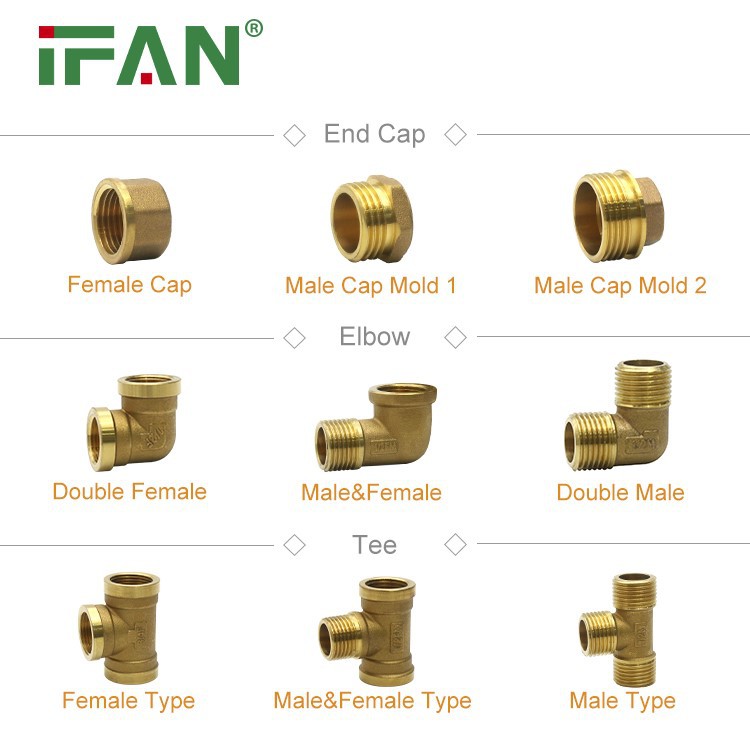
Composition Variations:
Red brass and yellow brass fittings differ primarily in their copper-to-zinc ratios. Red brass, also known as gunmetal, contains a higher proportion of copper, typically around 85% copper and 15% zinc. On the other hand, yellow brass features a more balanced composition, with approximately 70% copper and 30% zinc. This compositional distinction results in variations in physical and mechanical properties.

Corrosion Resistance:
One significant factor influencing the choice between red brass and yellow brass fittings is their corrosion resistance. Red brass, due to its higher copper content, exhibits superior corrosion resistance compared to yellow brass. This makes red brass fittings an ideal choice for applications where exposure to harsh environments, moisture, or corrosive substances is a concern.
Applications of Red Brass Fittings:
Red brass fittings find extensive use in applications requiring resistance to corrosion and wear. Commonly used in marine environments, these fittings are suitable for shipbuilding, plumbing, and other industries where exposure to saltwater and harsh weather conditions is prevalent. The durability of red brass makes it a preferred choice for fittings in outdoor settings, ensuring longevity and reliability.
Applications of Yellow Brass Fittings:
Yellow brass fittings, with their balanced copper-to-zinc ratio, are versatile and widely used in various applications. They are commonly found in plumbing systems, electrical connectors, and decorative fixtures. Yellow brass fittings are favored in situations where corrosion resistance is important but not the primary consideration. Their affordability and ease of machining also contribute to their popularity in diverse industries.
Cost Considerations:
The cost difference between red brass and yellow brass fittings is another critical aspect to consider. Red brass, being higher in copper content, tends to be more expensive than yellow brass. This cost factor often influences the decision-making process, especially in projects with budget constraints. Engineers and project managers must weigh the benefits of increased corrosion resistance against the budgetary considerations.
Strength and Machinability:
The differences in composition also impact the strength and machinability of red and yellow brass fittings. Red brass, with its higher copper content, generally exhibits better strength characteristics. However, yellow brass, with a higher zinc content, is more easily machinable. The choice between the two depends on the specific requirements of the application, balancing strength and ease of fabrication.
Conclusion:
In summary, the choice between red brass and yellow brass fittings depends on the specific needs of the application. Red brass offers superior corrosion resistance and durability, making it suitable for harsh environments, while yellow brass provides versatility and affordability. By understanding the composition, corrosion resistance, applications, cost considerations, and strength characteristics of these fittings, professionals can make informed decisions to ensure optimal performance in their projects.