
What Is a Plastic Float Valve?
A plastic float valve controls liquid levels in tanks. It stops water flow when the tank fills. People use it in irrigation, plumbing, and industrial applications. This valve prevents overflow and maintains water levels efficiently.

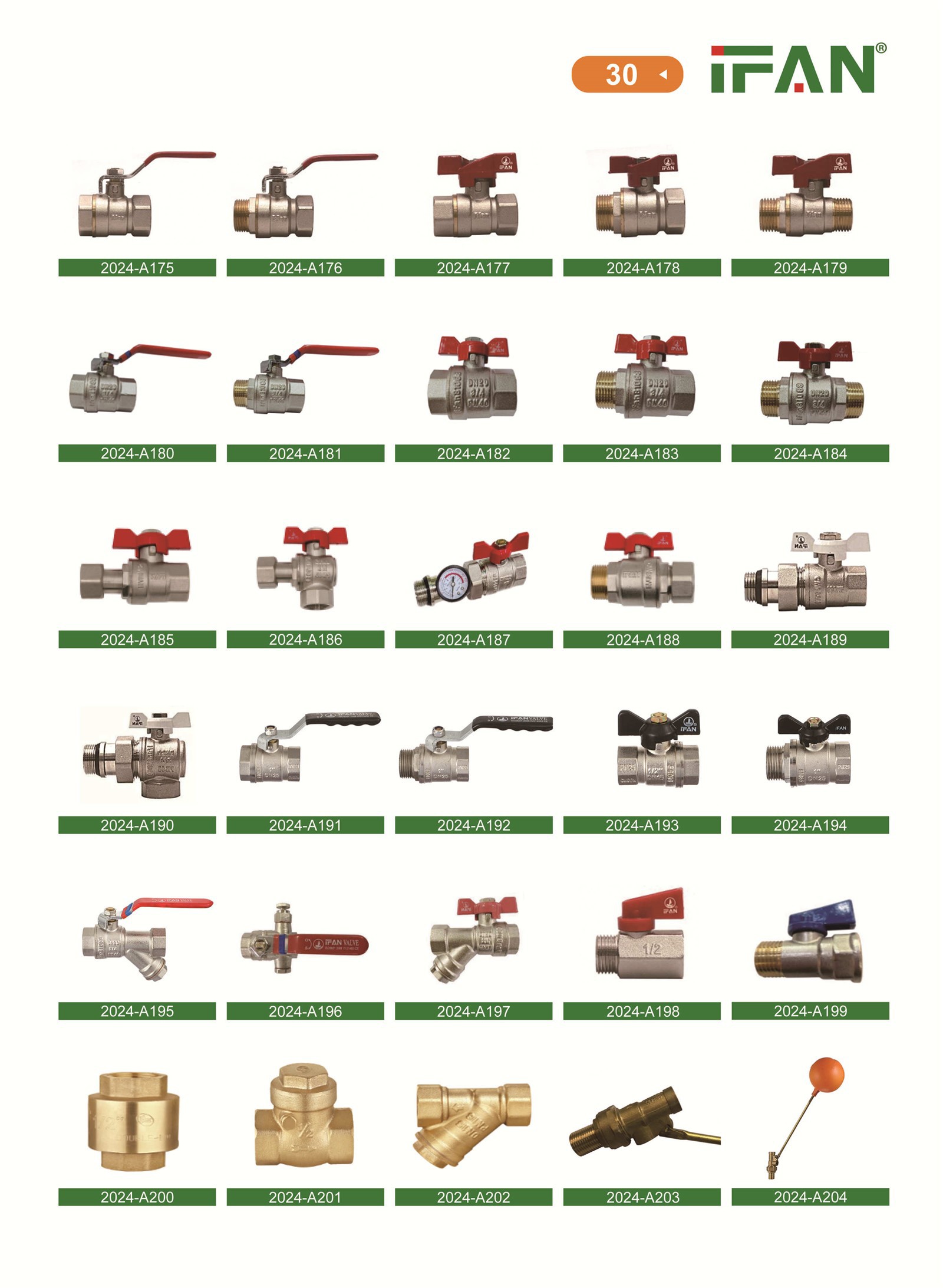
| Product Name | Plastic Float Valve |
| Size | 1/2''-1'' |
| Color | Orange or Customized |
| Brand | IFAN or Customized |
| OEM | |
| Sample | Free |
| Experience | 30+Years |
| Contact Us | Click HERE to contact us now!we are online 24 hours a day to answer your questions! |
|
Welcome to contact IFAN, we are online 24 hours a day to answer your questions! |
Components of a Plastic Float Valve
A plastic float valve includes a float, an arm, and a valve body. The float rises with liquid levels. The arm connects the float to the valve. The valve body controls the water flow. These parts work together to regulate liquid levels.
How Does a Plastic Float Valve Work?
Water enters the tank through the valve. The float rises as the water level increases. The arm moves with the float and pushes the valve shut. This stops water from flowing into the tank. When water levels drop, the float moves down. The valve opens, allowing water to enter again.
Advantages of Using a Plastic Float Valve
A plastic float valve resists rust and corrosion. It works well in different environments. The valve remains lightweight and easy to install. It provides an affordable solution for liquid control. The material ensures durability and long-lasting performance.
Common Applications of Plastic Float Valves
People use plastic float valves in agriculture, plumbing, and aquariums. They help regulate water levels in irrigation systems. Homeowners install them in water tanks and toilet cisterns. These valves also work in cooling systems and industrial equipment.
Choosing the Right Plastic Float Valve
Buyers should consider size, material, and pressure rating. The valve must fit the tank or system. Some plastic materials offer better durability and chemical resistance. Pressure ratings ensure the valve functions correctly in different conditions.
Installation Process of a Plastic Float Valve
Users drill a hole in the tank wall. They insert the valve and secure it with a nut. The float must move freely to function properly. After installation, they test the valve by filling the tank with water. The valve should stop and start water flow as needed.
Maintenance and Troubleshooting
Regular cleaning ensures proper function. Users should remove debris from the valve. If the valve leaks, they check for loose fittings. A stuck float may require adjustment or replacement. Simple maintenance keeps the valve working efficiently.
Environmental Benefits of Plastic Float Valves
Plastic float valves reduce water waste. They prevent overflows and leaks. This helps conserve water resources. Their lightweight design lowers transportation costs and energy use. Recyclable plastic materials offer an eco-friendly option.
Conclusion
Plastic float valves provide a simple and effective solution for water control. They work in many applications and require minimal maintenance. Their durability and affordability make them a reliable choice. Choosing the right valve ensures efficient liquid regulation in various systems.
|
|


