
Introduction to PPH Pipe Fittings
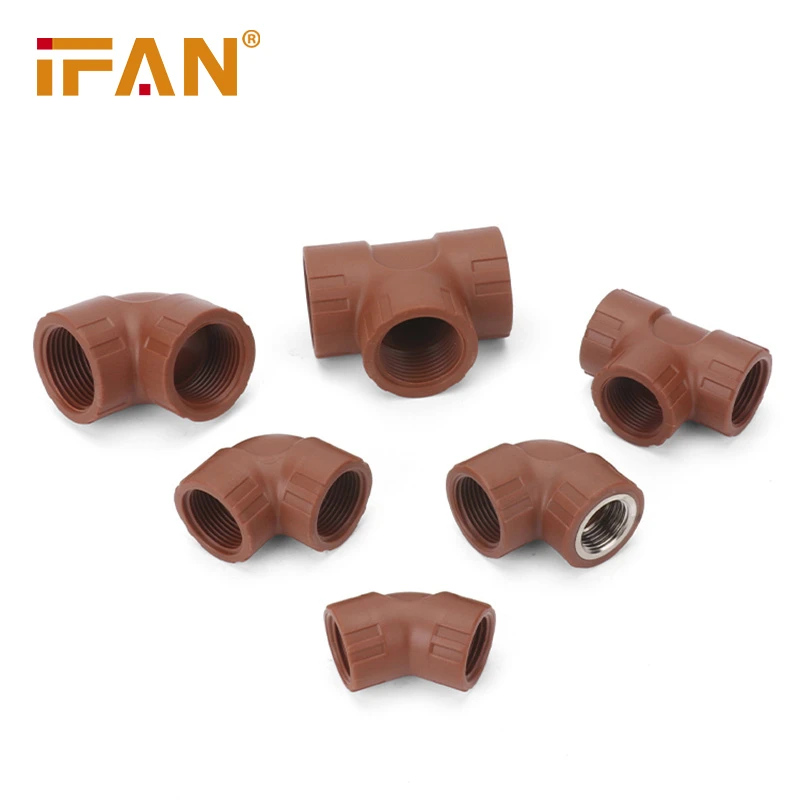
PPH (Polypropylene Homopolymer) pipe fittings are widely used in various industries due to their durability, chemical resistance, and cost-effectiveness. However, to ensure optimal performance and longevity, it is crucial to understand the proper usage precautions associated with these fittings. This article outlines essential considerations that users should keep in mind when installing and utilizing PPH pipe fittings, helping to prevent issues and extend the lifespan of the piping systems.
Proper Installation Techniques
One of the most critical aspects of using PPH pipe fittings is ensuring that they are installed correctly. Proper installation techniques significantly impact the performance and durability of the fittings. Users should always refer to manufacturer guidelines and industry standards when installing PPH fittings. For instance, using the right tools, such as pipe cutters and wrenches, is essential to achieve clean cuts and secure connections. Additionally, when using welding methods, it's vital to follow recommended temperatures and timings to avoid overheating, which can compromise the integrity of the material. Taking these precautions during installation helps prevent leaks and failures down the line.
Compatibility with Fluids
While PPH is known for its excellent chemical resistance, it is essential to ensure compatibility with the fluids being transported. Not all chemicals are suitable for use with PPH fittings, and exposure to incompatible substances can lead to degradation and system failures. Users should consult compatibility charts or manufacturer specifications to determine if the intended fluids are safe to use with PPH materials. Regular monitoring of the fluids can also help detect any signs of chemical reaction, such as discoloration or odor changes. This precaution is particularly crucial in industrial applications, where chemical exposure is common.

Temperature and Pressure Limitations
PPH pipe fittings have specific temperature and pressure ratings that must be adhered to for safe operation. Exceeding these limits can lead to deformation, leaks, or even catastrophic failures. Users should always check the specifications for the maximum allowable temperature and pressure for their specific PPH fittings. For example, while PPH can typically withstand temperatures up to 100°C (212°F), prolonged exposure to higher temperatures can compromise its structural integrity. In high-pressure systems, it's essential to implement pressure relief mechanisms to prevent accidental over-pressurization. Understanding these limitations ensures safe and reliable operation in various applications.
Regular Inspection and Maintenance
To maximize the lifespan of PPH pipe fittings, regular inspection and maintenance are crucial. Users should establish a routine for checking fittings for signs of wear, damage, or leaks. Common issues to look for include cracks, discoloration, or any evidence of chemical exposure. If any defects are discovered, the affected fittings should be replaced promptly to prevent further damage to the system. Additionally, maintaining a clean environment around the piping system helps prevent external factors that could compromise the integrity of the fittings. Regular maintenance not only enhances safety but also reduces the likelihood of costly repairs and replacements.
Environmental Considerations
When using PPH pipe fittings, it is important to consider their environmental impact, particularly concerning disposal and recycling. PPH is recyclable, and users should familiarize themselves with local recycling programs to ensure responsible disposal at the end of the product's life cycle. Additionally, minimizing waste during installation and maintenance can contribute to a more sustainable operation. Educating employees and stakeholders about proper disposal practices can foster a culture of environmental responsibility within organizations. By being mindful of these factors, users can help reduce the ecological footprint associated with PPH fittings while ensuring compliance with environmental regulations.
In conclusion, understanding the usage precautions associated with PPH pipe fittings is essential for ensuring their longevity and optimal performance. By focusing on proper installation techniques, fluid compatibility, temperature and pressure limitations, regular maintenance, and environmental considerations, users can significantly reduce the risk of failures and enhance the efficiency of their piping systems. These precautions not only contribute to safe operations but also align with sustainable practices, making PPH a responsible choice in modern plumbing applications.