
Thermal Expansion and Fatigue Performance of PPSU Fittings
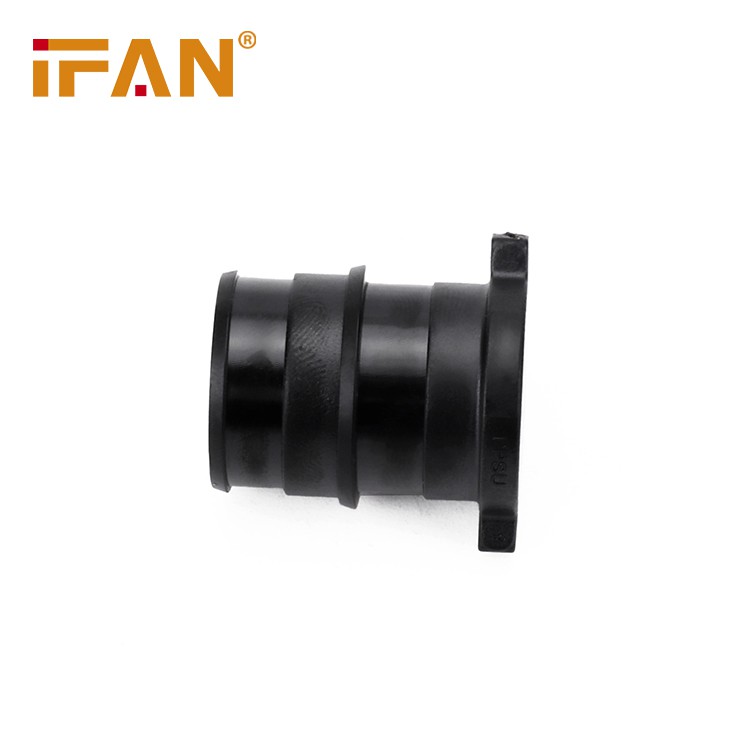
PPSU (Polyphenylsulfone) fittings are widely utilized in various industries due to their excellent mechanical properties and chemical resistance. However, understanding the relationship between thermal expansion and fatigue performance is critical for ensuring the longevity and reliability of these fittings in operational environments. This article explores how thermal expansion influences the fatigue performance of PPSU fittings, shedding light on design considerations and operational practices.
Understanding Thermal Expansion in PPSU
Thermal expansion is a fundamental property of materials that describes their tendency to change in size or volume with temperature variations. For PPSU, the coefficient of thermal expansion (CTE) ranges from 70 to 80 x 10⁻⁶/°C. This characteristic means that as temperatures increase, PPSU fittings will expand, and they will contract upon cooling. While this behavior is predictable, it can lead to significant implications for the structural integrity of fittings, especially when subjected to repeated thermal cycling. Engineers must account for these dimensional changes during design to mitigate potential issues related to misalignment and stress concentrations, which can ultimately affect the material's fatigue performance over time.
The Relationship Between Thermal Expansion and Fatigue
Fatigue performance refers to a material's ability to withstand repeated loading and unloading cycles without experiencing failure. The relationship between thermal expansion and fatigue is crucial, as thermal cycling can introduce additional stresses in PPSU fittings. When fittings expand and contract due to temperature fluctuations, they experience alternating tensile and compressive stresses. Over time, these repeated cycles can lead to microstructural changes, including crack initiation and propagation. If not properly managed, these fatigue effects can compromise the performance and longevity of the fittings. Understanding this relationship allows engineers to design systems that can better accommodate thermal expansion, thereby enhancing fatigue resistance and overall durability.

Design Considerations to Mitigate Fatigue
To enhance the fatigue performance of PPSU fittings, engineers must incorporate specific design considerations that account for thermal expansion. This includes selecting appropriate geometries and dimensions that allow for thermal movement without inducing excessive stress on the material. Additionally, using flexible joints or expansion fittings can help absorb the stresses associated with thermal cycling. Furthermore, incorporating materials with higher fatigue resistance or modifying the processing conditions to improve the microstructure of PPSU can also enhance overall fatigue performance. By proactively addressing these design aspects, engineers can significantly reduce the risk of fatigue-related failures in applications where thermal cycling is prevalent.
Testing and Validation for Performance Assurance
Robust testing and validation protocols are essential for ensuring the fatigue performance of PPSU fittings under thermal expansion conditions. Engineers should conduct thermal cycling tests to evaluate how the fittings respond to repeated temperature changes, observing for any signs of fatigue or structural failure. This type of testing can provide valuable insights into the material's behavior over time and help refine design parameters for optimal performance. Additionally, non-destructive testing methods, such as ultrasonic or acoustic emission techniques, can be employed to monitor for early signs of fatigue or crack formation without compromising the integrity of the fittings. Such rigorous testing regimes not only ensure compliance with industry standards but also enhance the reliability of PPSU fittings in critical applications.
Maintenance Strategies for Longevity
Even with careful design and thorough testing, regular maintenance is essential for preserving the fatigue performance of PPSU fittings throughout their operational life. Operators should implement a routine inspection schedule to identify any potential issues, such as wear or deformation, that could be exacerbated by thermal expansion and fatigue. Monitoring temperature variations and operational loads can help in understanding the conditions the fittings are subjected to, allowing for timely interventions when necessary. Additionally, operators should be trained to recognize signs of fatigue, such as unusual sounds or vibrations during operation. By incorporating proactive maintenance strategies, organizations can extend the service life of PPSU fittings and ensure consistent performance in demanding environments.
Conclusion
In summary, the relationship between thermal expansion and fatigue performance in PPSU fittings is crucial for ensuring their reliability and durability in various applications. By understanding the thermal properties of PPSU, addressing design considerations, conducting rigorous testing, and implementing effective maintenance strategies, engineers and operators can enhance the overall performance of these fittings. As industries continue to evolve and demand higher performance materials, the focus on mitigating the effects of thermal expansion on fatigue will remain paramount, leading to safer and more efficient operations. Through proactive management of these factors, stakeholders can ensure the longevity and integrity of PPSU fittings in challenging environments.