
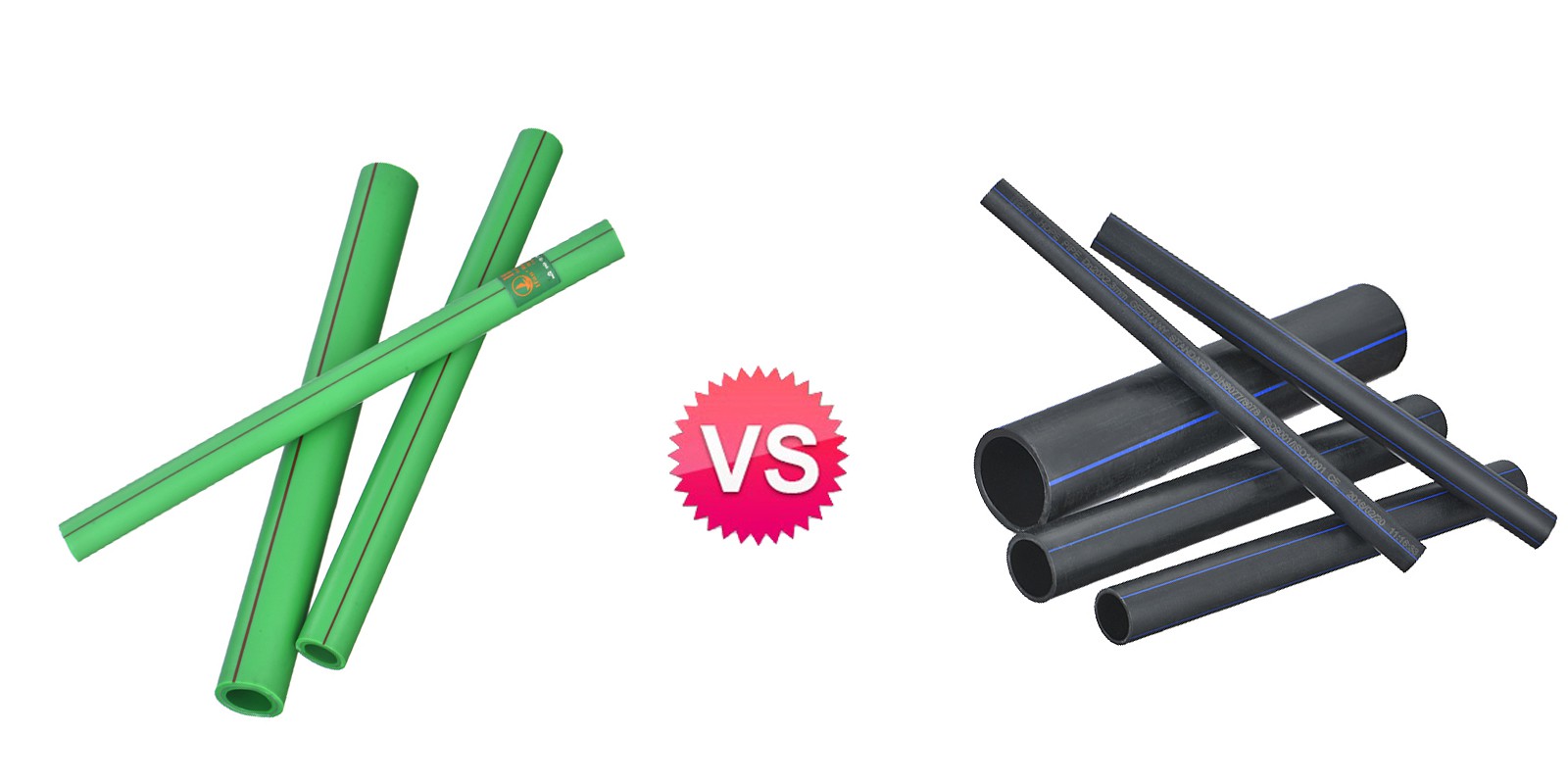
Polyethylene (PE) and polypropylene (PPR) plastic pipes are two popular choices for piping systems used in homes and commercial buildings. While they share some similarities, they also have significant differences when it comes to their applications, properties, and installation requirements. In this article, we will discuss the key differences between PE pipe and PPR pipe and their respective suitability for various plumbing applications.
PE Pipe:
PE pipes are produced using the extrusion method and are made of high-density polyethylene (HDPE). PE pipes have a higher impact resistance than PPR pipes and are suited for outdoor or underground installations, as they can withstand harsh weather conditions and resist damage caused by soil movement or water pressure.
PE pipes are commonly used for water supply, gas supply, sewage, and irrigation systems. They are available in various sizes and pressure ratings, ranging from PE32 to PE100. PE pipes have a smooth surface that minimizes fluid friction and is resistant to scaling and corrosion. They also have good flexibility, allowing them to bend without breaking easily.
PPR Pipe:
PPR pipes are made of polypropylene and are produced using a welding method that uses heat and pressure to fuse the pipe fittings. PPR pipes are commonly used for cold and hot water supply, underfloor heating systems, and compressed air transport. They are available in various sizes and pressure ratings, typically ranging from PN10 to PN25.
PPR pipes have a smooth inner surface that prevents scaling and is easy to clean. They are highly resistant to heat, chemical corrosion, and pressure, making them well-suited for high-temperature applications. PPR pipes are also highly flexible, making them easy to install in tight spaces.
Differences between PE and PPR pipes:
1. Temperature range:
PPR pipes can withstand temperatures up to 100°C, while PE pipes can handle up to 60°C. PPR pipes are, therefore, better suited for hot water supply systems, while PE pipes are better suited for cold water supply systems.
2. Pressure rating:
PPR pipes have a higher pressure rating than PE pipes, which limits them from being used in high-pressure applications like gas transmission and water supply mains.
3. Chemical resistance:
PPR pipes are more resistant to chemicals than PE pipes, which makes them a better choice for use in chemical processing and industrial applications.
4. Cost:
PE pipes are generally less expensive than PPR pipes. This makes them a popular choice for low-pressure applications such as water supply systems.
Installation Requirements:
PE Pipe:
PE pipe installation requires a trench to be dug and the pipe to be laid inside it. The trench is then backfilled with soil and compacted to cover the pipe. When laying PE pipes, proper care must be taken to ensure that the pipe is not damaged or kinked during the installation process. PE pipes should also be protected from exposure to UV light, which can degrade the material.
PPR Pipe:
PPR pipe welding requires a specialized tool that uses heat to melt the pipe and fittings together permanently. PPR pipes are easy to cut and require no special tools, which makes them a popular choice for DIY installations. However, installing PPR pipes requires more specialized skills and equipment, making them more costly to install than PE pipes.
Conclusion:
In conclusion, both PE and PPR pipes have their unique advantages and disadvantages, which make them suitable for different applications. PE pipes are better suited for low-pressure applications such as water supply systems, while PPR pipes are more suitable for applications that require high-temperature resistance and chemical stability. When installing PE or PPR pipes, it is important to consider the specific requirements of the application, the pressure rating, and environmental factors such as UV exposure, soil movement, and temperature changes. As such, it is always recommended that you consult a professional plumber for guidance on which type of pipe to use for your specific application.
Contact:
We will reply your email or fax within 24 hours.
You can call us at any time if there is any question on our production.
For more information,pls visit our webside https://www.ifan-plast.com/
Pls Mailto: sales11-ifan@ifangroup.com