
Polypropylene homopolymer (PPH) pipe fittings are crucial components in various industrial and commercial applications. Known for their robustness and chemical resistance, PPH fittings play a vital role in ensuring safety and reliability in fluid handling systems. Let's delve into the key features and benefits of PPH pipe fittings that make them indispensable in modern applications.
| Color | White,blue,black,grey,red,purple,orange or customized |
| Logo | Support |
| Sample | Free Sample |
| Package | IFAN Standard Package |
| Welcome to contact IFAN, we are online 24 hours a day to answer your questions! | |
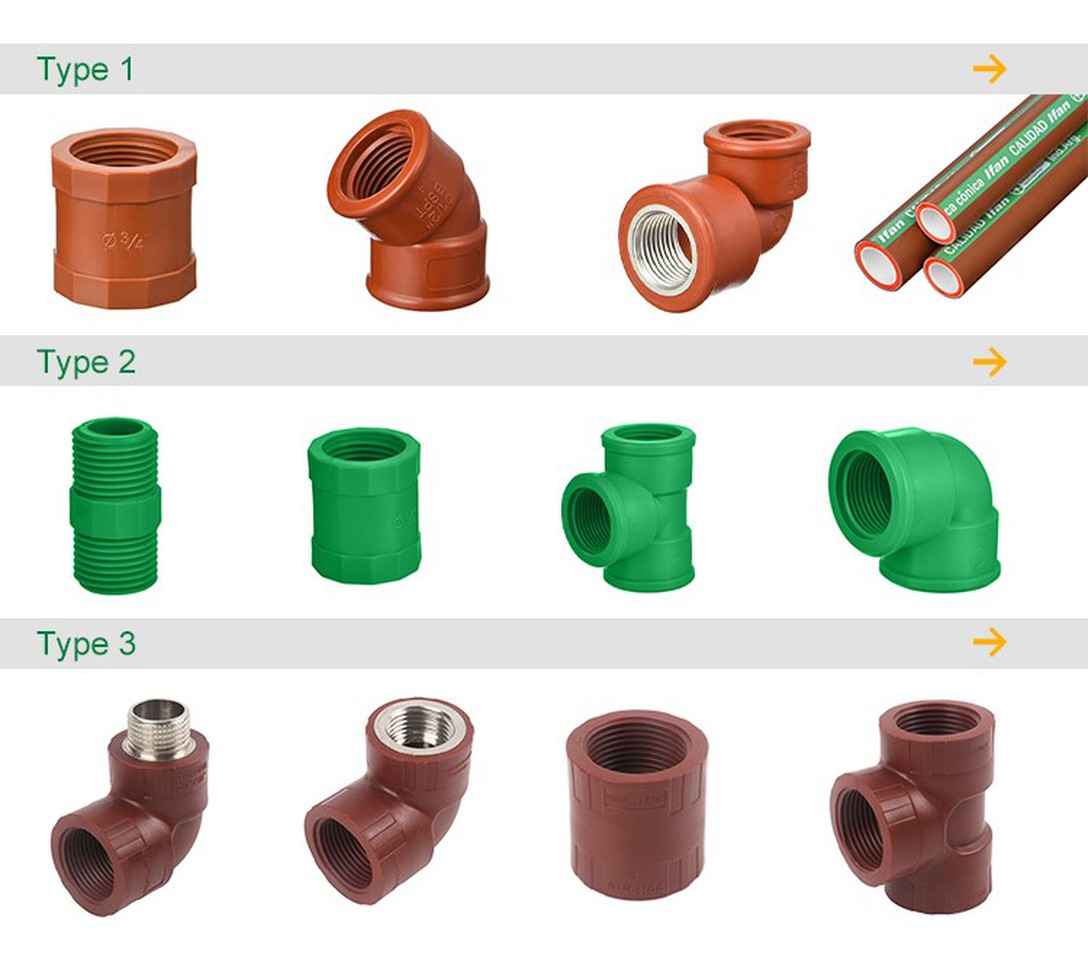

Chemical Resistance and Durability
PPH pipe fittings are highly resistant to a wide range of chemicals, acids, and alkalis. This inherent resistance makes them suitable for handling corrosive substances without degradation or leaching. Industries such as chemical processing, wastewater treatment, and pharmaceuticals rely on PPH fittings to maintain the integrity of their fluid handling systems. The durability of PPH ensures long-term performance, reducing the need for frequent replacements and minimizing maintenance costs.
Thermal and Mechanical Properties
One of the distinguishing features of PPH pipe fittings is their excellent thermal and mechanical properties. They can withstand high temperatures up to certain limits, making them suitable for both hot and cold fluid applications. The material's high impact strength and toughness ensure that PPH fittings can withstand mechanical stresses and pressure fluctuations within operating environments. This resilience contributes to the overall reliability and safety of industrial piping systems.
Ease of Installation and Maintenance
PPH pipe fittings are designed for ease of installation and maintenance. They are lightweight yet robust, making handling and installation straightforward. The fittings can be easily connected using solvent cement welding, which creates strong, leak-free joints. This simplicity not only speeds up installation processes but also reduces labor costs. Additionally, PPH fittings require minimal maintenance due to their resistance to scaling, fouling, and corrosion, ensuring continuous operation with minimal downtime.
Compliance with Safety Standards
Safety is paramount in industrial applications, and PPH pipe fittings are engineered to meet stringent safety standards. Manufacturers adhere to international regulations and standards to ensure that PPH fittings are safe for use in various applications. Compliance with standards such as ASTM, ISO, and DIN guarantees that PPH fittings maintain consistent quality and performance across different operating conditions. This adherence to standards provides peace of mind to engineers and operators regarding the reliability and safety of their fluid handling systems.
Environmental Sustainability
In an era focused on sustainability, PPH pipe fittings offer environmental benefits that align with green building practices. The material is recyclable and can be reused in other applications, reducing waste and minimizing environmental impact. Furthermore, the manufacturing process of PPH fittings consumes less energy compared to other materials, contributing to overall energy efficiency. By choosing PPH fittings, industries can demonstrate their commitment to environmental responsibility while maintaining operational efficiency.
Applications Across Industries
PPH pipe fittings find applications across a wide range of industries, including chemical processing, water treatment, agriculture, and HVAC (Heating, Ventilation, and Air Conditioning). In chemical plants, PPH fittings are used to transport corrosive chemicals safely. In water treatment facilities, they handle various fluids without contamination. In HVAC systems, PPH fittings ensure reliable fluid circulation for heating and cooling. The versatility and reliability of PPH fittings make them indispensable in maintaining efficient operations across diverse industrial sectors.
Conclusion
PPH pipe fittings stand out as reliable and safe components in fluid handling systems, offering chemical resistance, durability, and compliance with safety standards. Their ease of installation, low maintenance requirements, and environmental sustainability further enhance their appeal in industrial applications. As industries continue to prioritize safety, reliability, and sustainability, PPH fittings remain a preferred choice for ensuring the integrity and efficiency of fluid handling processes. Embracing PPH fittings ensures not only operational reliability but also contributes to a safer and more sustainable industrial environment.