
PEX (cross-linked polyethylene) pipes have become a popular choice in plumbing systems due to their flexibility, durability, and ease of installation. Understanding the standards and certifications associated with PEX pipes is crucial for ensuring their quality, safety, and performance. This article provides an overview of the key standards and certifications relevant to PEX pipes.
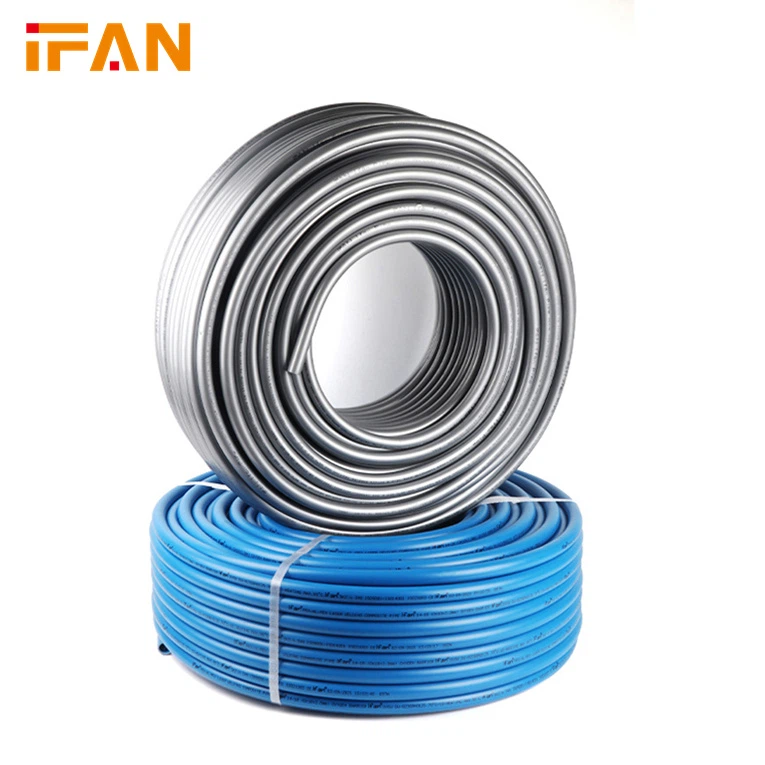
Overview of PEX Pipes
What is PEX?
PEX is a type of plastic piping made from cross-linked polyethylene. The cross-linking process enhances the material's temperature and pressure resistance, making it ideal for various plumbing applications, including hot and cold water supply, radiant heating, and hydronic systems.
Benefits of PEX
PEX pipes offer several advantages over traditional materials like copper and PVC. They are flexible, reducing the need for fittings and joints; they resist scaling and corrosion; and they are easier and faster to install. Additionally, PEX pipes can expand slightly under pressure, reducing the risk of burst pipes in freezing conditions.
Key Standards for PEX Pipes
ASTM Standards
The American Society for Testing and Materials (ASTM) sets numerous standards for PEX pipes to ensure their quality and performance. Some of the key ASTM standards include:
- ASTM F876: This standard specifies the requirements for the material, physical properties, and performance of PEX tubing.
- ASTM F877: This standard covers the requirements for PEX tubing and associated fittings for hot and cold water distribution systems.
- ASTM F1960: This standard pertains to cold-expansion fittings with PEX reinforcement, detailing the specifications for fittings and the necessary installation procedures.
CSA Standards
The Canadian Standards Association (CSA) also provides standards for PEX pipes, ensuring their suitability for the Canadian market. Notable CSA standards include:
- CSA B137.5: This standard outlines the requirements for PEX tubing used in pressure applications, including potable water and hydronic heating systems.
- CSA B214: This standard provides guidelines for the installation of hydronic heating systems using PEX tubing.
Certifications for PEX Pipes
NSF/ANSI Certifications
The NSF International, in collaboration with the American National Standards Institute (ANSI), certifies PEX pipes for safety and quality. Key certifications include:
- NSF/ANSI 14: This certification pertains to plastic piping system components and ensures that PEX pipes meet the necessary health and safety standards.
- NSF/ANSI 61: This certification ensures that PEX pipes used in potable water systems do not leach harmful contaminants into the water supply.
UL Certification
Underwriters Laboratories (UL) provides certification for PEX pipes used in fire sprinkler systems. The UL 1821 certification ensures that PEX piping systems meet the performance and safety requirements for fire safety applications.
Regional and International Standards
European Standards
In Europe, PEX pipes must comply with various standards, such as:
- EN ISO 15875: This international standard specifies the requirements for PEX piping systems used in hot and cold water installations.
- DVGW: The Deutscher Verein des Gas- und Wasserfaches (DVGW) certification ensures that PEX pipes meet the safety and quality standards for gas and water applications in Germany.
Australian Standards
In Australia, PEX pipes are regulated by standards such as:
- AS/NZS 2492: This standard specifies the requirements for PEX pipes used in plumbing applications, including their material properties and performance criteria.
- WaterMark Certification: This certification indicates that PEX pipes comply with the Australian standards for use in water supply systems.
Conclusion
Understanding the standards and certifications for PEX pipes is essential for ensuring their quality, safety, and performance in plumbing systems. Standards set by organizations such as ASTM, CSA, NSF/ANSI, and UL, as well as regional standards in Europe and Australia, provide guidelines for the manufacturing, testing, and installation of zurn PEX pipes. By adhering to these standards and certifications, manufacturers and installers can ensure that PEX piping systems are reliable, safe, and efficient for various applications.