Introduction
PEX (cross-linked polyethylene) pipes have gained popularity in modern plumbing due to their corrosion resistance and durability. Unlike metal pipes, PEX does not rust, corrode, or degrade over time. This makes it a reliable and long-lasting solution for water supply systems.
This article explores the corrosion resistance and durability of PEX pipes, their advantages over traditional materials, and their applications in residential, commercial, and industrial plumbing.

| Product Name | IFAN PEX Pipe |
| Standard | ASTM F2623,BS EN ISO 22391,DIN 16833,GBT28799,ISO 22391 |
| Size | 16-32mm |
| Color | White,Bule,Yellow,Orange,Grey,Red,Purple Or Customized |
| Connection | Compression/Press/Sliding Fittings |
| Length | 100-500M per roll |
| Sample | Sample Free |
| Contact | Click HERE to contact us now! |
Welcome to contact IFAN, we are online 24 hours a day to answer your questions!
1. What Is PEX Pipe?
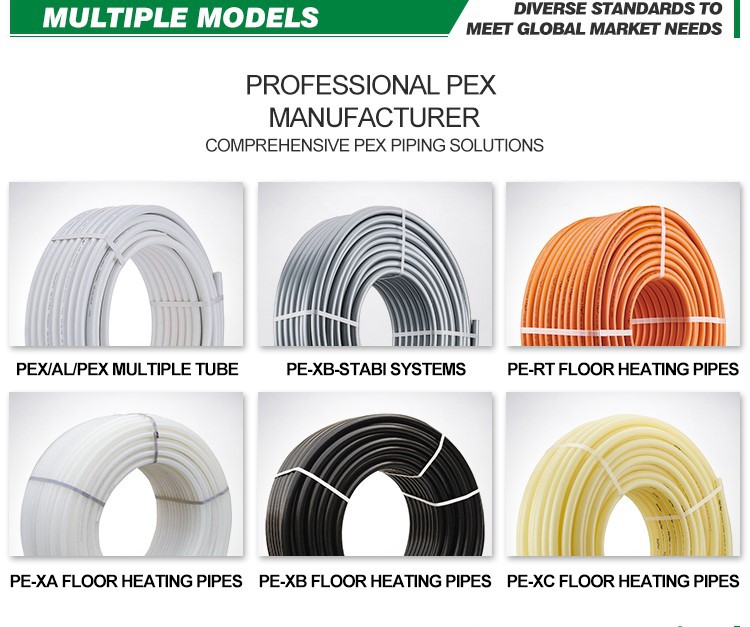
PEX pipe is a flexible plastic pipe used for water distribution. It is made from high-density polyethylene that undergoes a cross-linking process to improve strength and heat resistance.
There are three main types of PEX pipes: PEX-A, PEX-B, and PEX-C. Each type varies in flexibility and processing method but offers excellent durability and corrosion resistance.
2. Corrosion Resistance of PEX Pipes
Corrosion is a major issue in metal piping systems, leading to leaks, contamination, and costly repairs. PEX pipes are naturally resistant to corrosion because they do not react with water or chemicals.
Unlike copper or steel pipes, PEX does not develop rust, scale, or mineral buildup. This ensures clean and safe water supply over the pipe's lifespan.
3. Resistance to Chemical Damage
PEX pipes are highly resistant to chemical reactions, making them ideal for areas with hard or chlorinated water. They do not degrade when exposed to common water treatment chemicals, unlike metal pipes that can suffer from oxidation.
This resistance helps maintain water quality and prevents blockages caused by mineral deposits. PEX is also unaffected by acidic or alkaline water conditions, ensuring long-term performance.
4. Protection Against Electrochemical Corrosion
Metal pipes are vulnerable to electrochemical corrosion, especially when different metals are used in the same system. This type of corrosion can cause rapid pipe failure and water contamination.
PEX pipes eliminate this risk because they are made of non-metallic materials. They do not conduct electricity, preventing galvanic corrosion and extending system lifespan.
5. Durability and Long Lifespan
PEX pipes are designed to last over long-term durability according to standards under normal operating conditions. Their resistance to wear, pressure, and temperature changes makes them one of the most durable piping materials available.
Unlike PVC pipes, which can become brittle over time, PEX maintains its flexibility and strength. This durability reduces maintenance costs and ensures reliable performance in plumbing systems.
6. Flexibility Reduces Stress on the System
PEX pipes are highly flexible, allowing them to expand and contract with temperature changes. This flexibility reduces stress on the piping system, preventing cracks and breakage.
In contrast, rigid metal or plastic pipes can crack under pressure or temperature fluctuations. PEX pipes absorb movement, making them ideal for dynamic water systems.
7. Freeze Resistance and Expansion Ability
PEX pipes are more resistant to freezing than metal pipes. When water freezes inside a PEX pipe, the pipe expands slightly instead of bursting.
This expansion ability helps prevent costly water damage caused by pipe bursts in cold climates. Once the temperature rises, the PEX pipe returns to its original shape without damage.
8. Impact Resistance and Strength
PEX pipes can withstand impact and external pressure better than traditional materials. Unlike PVC, which can crack upon impact, PEX remains intact even when subjected to stress.
This makes PEX a preferred choice for underground installations, where shifting soil or external loads could damage rigid pipes.
9. Reduced Risk of Leaks
PEX pipes require fewer fittings and connections compared to rigid piping materials. Fewer joints mean fewer potential leak points, improving system reliability.
Since corrosion is a common cause of leaks in metal pipes, using PEX eliminates this risk. The durable material and secure connection methods ensure a leak-free plumbing system.
10. Suitable for High and Low Temperatures
PEX pipes can handle a wide range of temperatures, making them suitable for both hot and cold water applications. They can withstand temperatures up to 200°F (93°C) without losing strength.
This makes them ideal for radiant floor heating, boiler connections, and hot water distribution. Their resistance to extreme temperatures ensures long-lasting performance.
11. Low Maintenance Requirements
PEX pipes require little to no maintenance compared to metal pipes. They do not corrode, scale, or clog, reducing the need for frequent inspections and repairs.
Unlike copper pipes, which may need descaling or replacement due to mineral buildup, PEX pipes remain free from internal obstructions. This ensures consistent water flow and pressure over time.
12. Easy Installation and Cost Savings
PEX pipes are lightweight and easy to install, reducing labor costs. Their flexibility allows them to be bent around corners without additional fittings, minimizing material usage.
Traditional metal pipes require soldering, welding, or threading, which increases installation time and costs. PEX pipes use simple crimp, press, or push-fit fittings, making installation faster and more efficient.
13. Versatile Applications of PEX Pipes
Due to their durability and corrosion resistance, PEX pipes are used in various applications, including:
Residential plumbing – Hot and cold water supply in homes.
Commercial plumbing – Water distribution in offices, hotels, and hospitals.
Radiant floor heating – Efficient underfloor heating systems.
Hydronic heating systems – Water-based heating solutions.
Industrial applications – Used in chemical and process piping.
Agriculture and irrigation – Water supply for farms and greenhouses.
Their versatility makes them a preferred choice for modern plumbing and heating systems.
14. Environmental Benefits of PEX Pipes
PEX pipes contribute to sustainability by reducing water and energy waste. Their corrosion resistance ensures long-term reliability, reducing material replacement needs.
PEX pipes also have a lower environmental impact compared to copper or steel pipes. Their lightweight design reduces fuel consumption during transportation, lowering carbon emissions.
Additionally, PEX pipes improve energy efficiency in heating applications. Their ability to retain heat reduces the need for constant reheating, lowering overall energy consumption.
Conclusion
PEX pipes offer outstanding corrosion resistance and durability, making them an excellent choice for modern plumbing systems. Unlike metal pipes, PEX does not rust, corrode, or scale, ensuring clean and safe water delivery.
Their flexibility, freeze resistance, and long lifespan make them a reliable and cost-effective plumbing solution. With fewer leaks, reduced maintenance, and easy installation, PEX pipes provide long-term performance in residential, commercial, and industrial applications.
By choosing PEX pipes, homeowners and businesses invest in a high-quality, durable, and corrosion-resistant piping system that enhances efficiency and reliability.