
Overview of PPSU's Chemical Resistance
Polyphenylsulfone (PPSU) is renowned for its remarkable chemical resistance, making it an excellent material choice for applications involving exposure to various aggressive substances. PPSU's chemical resistance is primarily due to its molecular structure, which includes sulfone groups that provide stability and resistance to chemical degradation. This high-performance thermoplastic effectively resists attack from a wide range of chemicals, including acids, bases, and solvents. Its ability to maintain structural integrity and performance when exposed to these substances is crucial in ensuring the longevity and reliability of components made from PPSU.

Resistance to Acids
PPSU fittings exhibit exceptional resistance to both inorganic and organic acids. This characteristic is particularly beneficial in applications where the material comes into contact with acids such as sulfuric acid, hydrochloric acid, or acetic acid. The chemical bonds in PPSU are not easily broken down by acidic environments, which prevents degradation and maintains the material's mechanical properties over time. This makes PPSU an ideal choice for use in chemical processing equipment, laboratory instruments, and other industrial applications where acid exposure is a routine condition. The stability of PPSU in acidic conditions ensures that it can withstand harsh chemical environments without compromising its functionality.
Alkali Resistance of PPSU
PPSU's resistance to alkalis is another significant advantage, making it suitable for use in environments where strong bases are present. Unlike many other materials that undergo hydrolysis or chain scission when exposed to alkalis like sodium hydroxide or potassium hydroxide, PPSU remains stable and resistant. The material's ability to maintain its physical properties despite exposure to high pH conditions is due to its robust chemical structure. This quality is particularly advantageous in industrial cleaning applications, wastewater treatment, and other scenarios where alkali contact is common. PPSU's durability in the face of basic substances contributes to its versatility and reliability in various demanding applications.
Solvent Resistance and Longevity
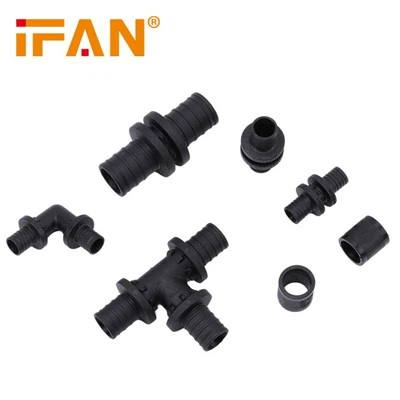
PPSU fittings also exhibit impressive resistance to a broad spectrum of solvents, including hydrocarbons, alcohols, and chlorinated compounds. Many polymers are susceptible to swelling, dissolution, or loss of mechanical properties when exposed to solvents; however, PPSU maintains its structural integrity and performance. This resistance is crucial for applications such as fuel systems, chemical transport, and pharmaceutical manufacturing, where exposure to solvents is frequent. The longevity of PPSU in solvent-rich environments ensures that components remain functional and reliable over extended periods, minimizing the need for frequent replacements and reducing overall maintenance costs.
Applications and Benefits of Chemical Resistance
The chemical resistance of PPSU fittings translates into numerous practical benefits across various industries. In the medical sector, PPSU's ability to withstand sterilization agents and cleaning chemicals ensures the reliability of surgical instruments and diagnostic devices. In the chemical processing and manufacturing industries, PPSU is used for components that must endure exposure to aggressive chemicals without degradation. Additionally, in the aerospace and automotive sectors, PPSU's resistance to chemicals ensures the durability of components exposed to fuels, oils, and other substances. Overall, PPSU's chemical resistance enhances its suitability for high-performance applications where reliability and durability are critical.
Conclusion
In summary, PPSU fittings offer exceptional chemical resistance, making them highly suitable for applications involving acids, alkalis, and solvents. The material's ability to maintain its physical and mechanical properties in the face of aggressive chemical environments underscores its versatility and reliability. This makes PPSU an ideal choice for a wide range of industries, from medical to aerospace, where chemical exposure is a common concern. By leveraging PPSU's chemical resistance, manufacturers and engineers can ensure the durability and effectiveness of components, ultimately leading to improved performance and reduced maintenance.