
Understanding the Importance of Innovative Design
Innovation plays a crucial role in the production of CPVC (Chlorinated Polyvinyl Chloride) fittings. As industries evolve, so do the requirements for performance, efficiency, and sustainability. Innovative design helps manufacturers stay competitive in a crowded marketplace by addressing these changing needs. By incorporating cutting-edge materials, improved manufacturing processes, and enhanced functionality, companies can create CPVC fittings that offer superior performance. This not only increases customer satisfaction but also fosters brand loyalty. A focus on innovative design allows manufacturers to differentiate their products and meet the high standards set by various industries, including plumbing, constructi on, and chemical processing.
Utilizing Advanced Technology and Materials
One of the key ways to innovate in CPVC fitting production is through the use of advanced technologies and materials. Manufacturers can explore incorporating newer, high-performance materials that offer better resistance to chemicals and temperature variations. For instance, utilizing additives or modifiers can enhance the properties of CPVC, making it more robust. Additionally, advanced manufacturing technologies like 3D printing can facilitate rapid prototyping and allow for complex geometries that traditional methods may not achieve. By leveraging these technologies, companies can significantly enhance the functionality and durability of their CPVC fittings, aligning their products with the latest industry trends and customer expectations.
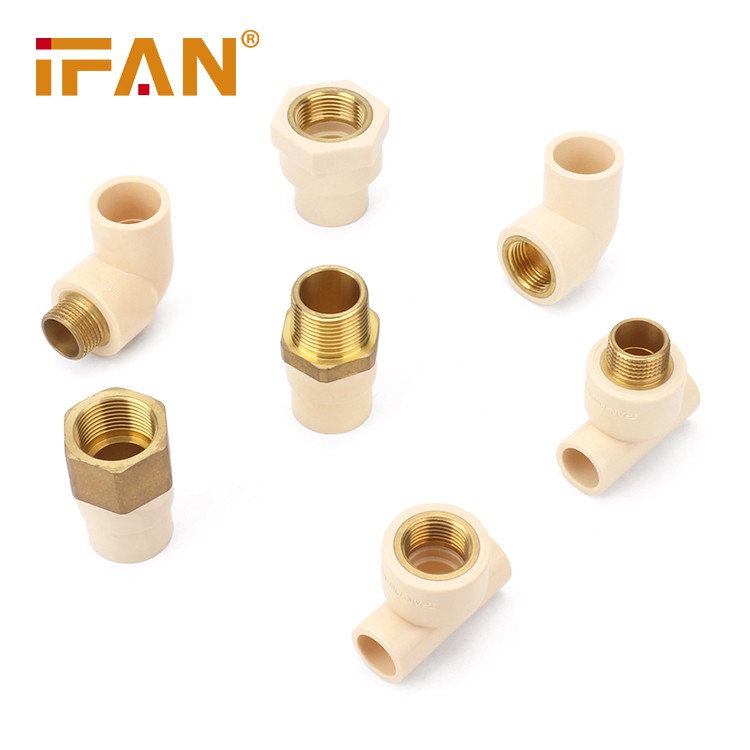
Engaging in Collaborative Design Processes
Collaboration is a powerful tool for driving innovation in CPVC fitting design. By engaging with stakeholders-including customers, suppliers, and industry experts-manufacturers can gather valuable insights into specific needs and challenges. Co-design workshops or focus groups can provide a platform for brainstorming and refining ideas. Moreover, partnerships with research institutions can facilitate access to the latest research and innovations in material science. This collaborative approach fosters creativity and leads to designs that are not only innovative but also practical and aligned with real-world applications. By actively involving multiple perspectives in the design process, manufacturers can create more effective and competitive products.
Emphasizing Sustainability in Design
Sustainability is a growing concern across all industries, including the production of CPVC fittings. Innovative design should incorporate eco-friendly practices and materials that minimize environmental impact. Manufacturers can explore biodegradable additives or recycled materials to reduce the carbon footprint of their products. Additionally, optimizing production processes to reduce waste and energy consumption is essential. By designing fittings that are easier to recycle or repurpose at the end of their lifecycle, companies can promote sustainability and appeal to environmentally conscious customers. Emphasizing sustainability in design not only enhances brand reputation but also aligns with global trends toward greener manufacturing practices.
Continuous Improvement and Feedback Loops
Finally, establishing a culture of continuous improvement is vital for sustaining innovation in CPVC fitting production. Manufacturers should implement feedback loops that allow for ongoing evaluation and enhancement of product designs. Customer feedback, performance metrics, and market trends can inform design updates and modifications. Regular training sessions for employees on the latest design tools and techniques can also foster a culture of innovation. By maintaining an agile approach and being open to change, companies can adapt their CPVC fittings to meet evolving market demands effectively. This proactive strategy not only improves product quality but also positions manufacturers as leaders in the industry.
In conclusion, innovative design in CPVC fitting production encompasses advanced technologies, collaborative processes, sustainability considerations, and a commitment to continuous improvement. By prioritizing these aspects, manufacturers can enhance their product offerings and maintain a competitive edge in a rapidly evolving marketplace.