
Introduction:
Determining the size of a brass fitting is crucial for successful plumbing installations or repairs. In this article, we will explore the methods and considerations involved in identifying the size of brass fittings, helping both professionals and DIY enthusiasts make accurate selections for their plumbing projects.

Understanding Thread Types:
One key aspect in determining the size of a brass fitting is understanding thread types. Brass fittings commonly feature either NPT (National Pipe Thread) or BSP (British Standard Pipe) threads. NPT threads are tapered and are commonly used in the United States, while BSP threads are parallel and more prevalent in European countries. Identifying the thread type is the first step in figuring out the size of a brass fitting.
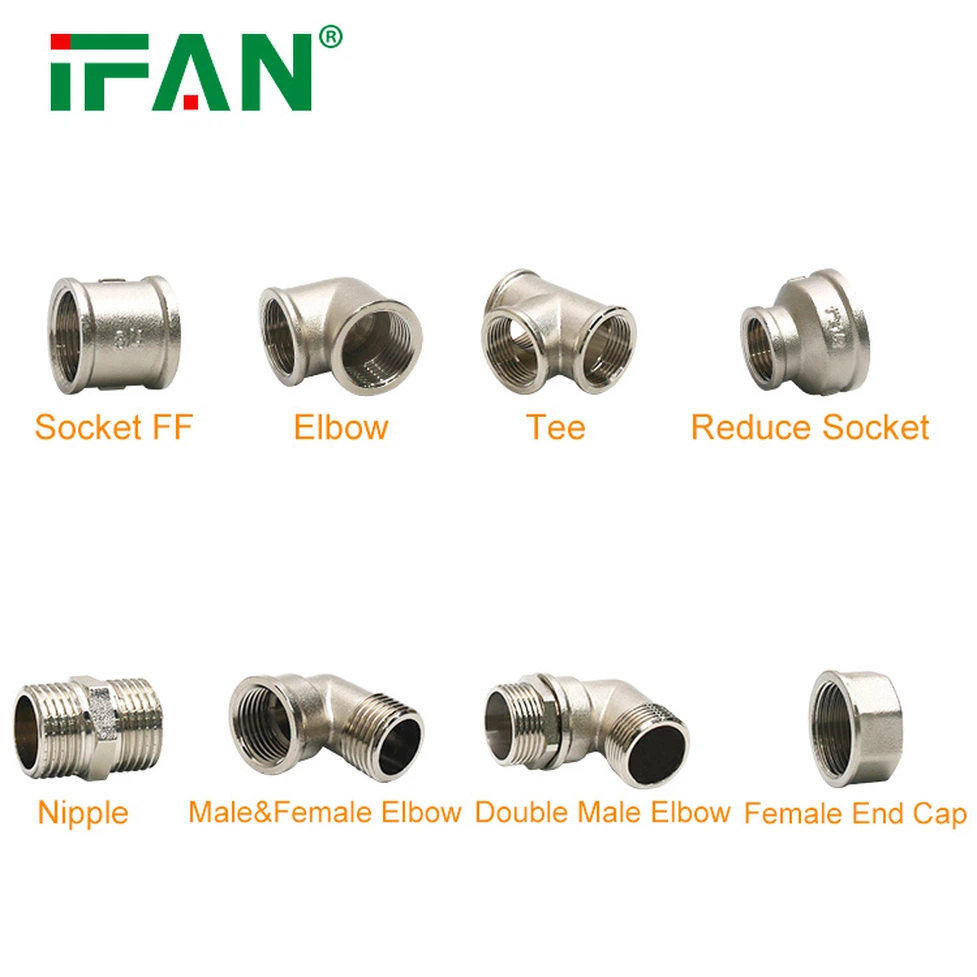
Measuring Thread Diameter:
To ascertain the size of a brass fitting, measure the diameter of the threads. For NPT threads, use a thread pitch gauge to measure the number of threads per inch. For BSP threads, measure the outer diameter of the threads using a caliper. Once the thread type and diameter are determined, refer to a sizing chart for the specific thread type to identify the fitting size.
Measuring Inner and Outer Diameter:
In addition to measuring threads, understanding the inner and outer diameter of a brass fitting is essential. Use a caliper to measure the outer diameter of the fitting, which is crucial for ensuring compatibility with pipes and other components. Similarly, measure the inner diameter to determine the flow capacity of the fitting. These measurements contribute to the overall sizing considerations.
Referencing Sizing Charts:
Sizing charts specific to NPT or BSP threads are invaluable tools for identifying the size of brass fittings. These charts provide comprehensive information on thread dimensions, allowing users to cross-reference their measurements and determine the exact size of the fitting. Online resources or manufacturer specifications often include detailed sizing charts for reference.
Utilizing Common Sizing Standards:
Brass fittings typically adhere to standard sizing conventions. Common sizes include 1/8", 1/4", 3/8", 1/2", 3/4", and 1". These measurements represent the nominal sizes of fittings and correspond to specific thread dimensions. Understanding these standard sizes simplifies the identification process and facilitates compatibility with other plumbing components.
Considering Application and Usage:
The intended application and usage of the brass fitting also play a role in determining the appropriate size. Consider factors such as water flow requirements, pressure ratings, and the specific plumbing system in which the fitting will be used. Matching the size of the fitting to the requirements of the application ensures optimal performance and functionality.
Conclusion:
In conclusion, accurately determining the size of a brass fitting involves understanding thread types, measuring thread diameter, inner and outer diameter, referencing sizing charts, and considering common sizing standards. Whether you are a professional plumber or a DIY enthusiast, mastering these methods will empower you to confidently select the right-sized brass fittings for your plumbing projects, ensuring successful installations and reliable connections.