| Product Name | IFAN HDPE Pipe Fittings |
| Package | Woven Bag |
| Size | 20-110mm |
| Color | Blue,Grey,Black,Red Or Customized |
| Connection | Thread |
| OEM | Support |
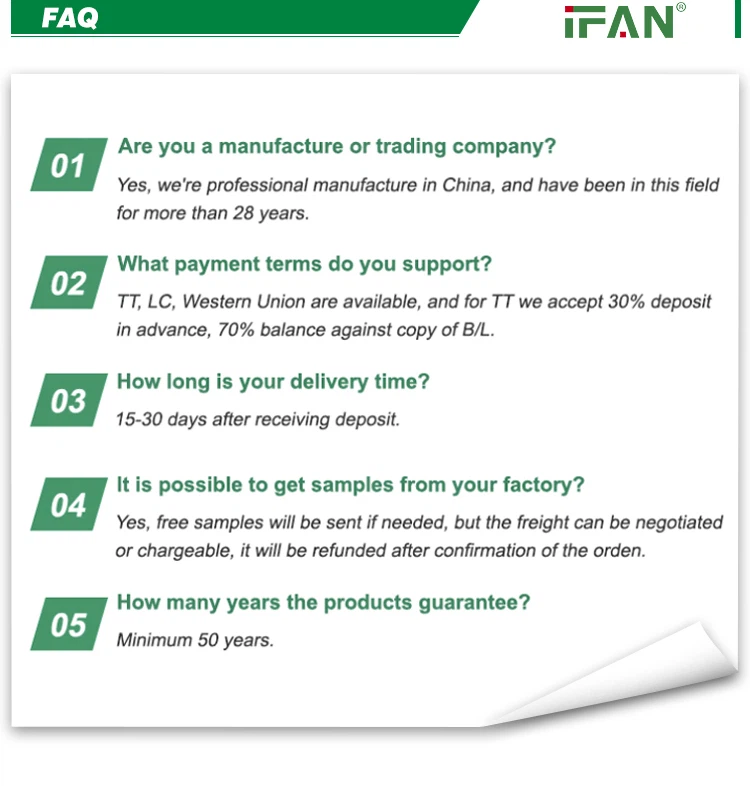
| Sample | Sample Free |
| Contact | Click HERE to contact us now! |
Welcome to contact IFAN, we are online 24 hours a day to answer your questions!
Introduction to HDPE Pipe Fittings
HDPE pipe fittings are essential in modern water supply systems. HDPE stands for high-density polyethylene, a durable and flexible plastic. These fittings securely join HDPE pipes to create strong and leak-proof networks. HDPE pipe fittings are widely used in municipal, agricultural, and residential water supply projects. They are valued for their long life, resistance to corrosion, and ease of installation. Systems often include surface-level controls like the brass bibcock for user access. Together, HDPE pipes and brass components form a reliable and efficient water distribution network. They are a smart choice for both new installations and upgrades.
Benefits for Water Distribution
HDPE pipe fittings are ideal for distributing clean water over short or long distances. The material does not rust or corrode. It resists damage from chemicals, minerals, and moisture. This makes HDPE suitable for use in urban and rural environments. The fittings provide tight seals that prevent leaks and protect water quality. A brass bibcock is often installed at the end of a water line for manual control. It allows users to easily access and shut off water. The combination of HDPE pipes and brass fittings ensures safe and convenient water delivery for all applications.
High Resistance to Corrosion
Corrosion is a major concern in water systems. Metal pipes often degrade over time, especially in harsh environments. HDPE pipe fittings resist corrosion caused by water, soil, and chemicals. They maintain structural integrity for decades without weakening. This makes them ideal for buried or exposed installations. A brass bibcock, made from corrosion-resistant brass, also performs well in outdoor or moist conditions. It does not rust or wear down easily. When combined with HDPE pipes, it ensures the entire system remains safe and operational. These materials are especially useful in regions with aggressive water or soil chemistry.
Flexibility Supports Challenging Terrain
HDPE pipe fittings are flexible and can bend to follow land contours without breaking. This makes them perfect for use in uneven or sloped areas. They reduce the need for extra fittings or directional changes. This flexibility also helps protect the system during ground movement. A brass bibcock provides a solid, reliable point of water control even when connected to curved pipe sections. This flexibility simplifies installation in hillsides, construction zones, and large farms. The result is a water supply network that adapts to its environment without compromising performance.
Easy and Efficient Installation
Installing HDPE pipe fittings is faster and easier than many traditional materials. The pipes are lightweight and require fewer joints. Fittings can be connected using heat fusion or compression methods. These techniques create strong, leak-free joints in less time. Fewer connections mean fewer potential leak points. A brass bibcock can be installed quickly with threaded or push-fit connectors. This saves labor time and reduces project costs. Whether for city utilities or small gardens, HDPE and brass components make water systems faster to build and easier to maintain.
Safe for Potable Water
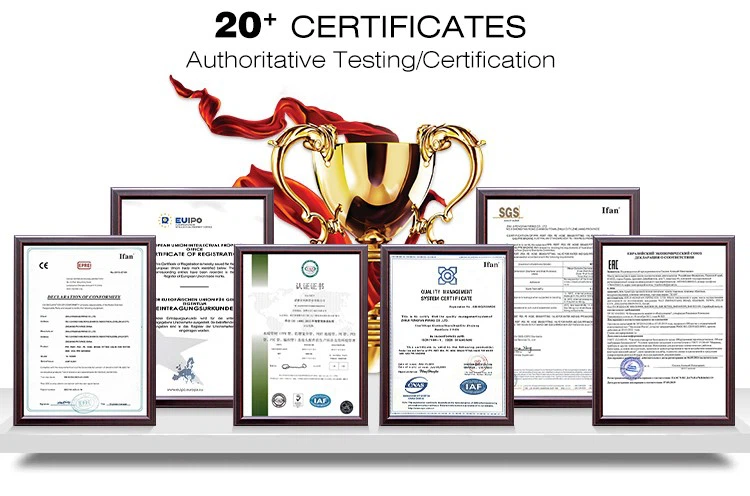
HDPE pipe fittings are certified safe for drinking water. They do not leach harmful chemicals or affect water taste. The material is smooth inside, which prevents bacterial growth and buildup. It helps maintain water purity from the source to the user. Brass bibcocks used in potable systems are typically low-lead or lead-free. This ensures safety for human consumption. When used together, HDPE fittings and brass bibcocks support clean, healthy water delivery. They meet national and international plumbing standards, making them ideal for large-scale water supply projects.
Suitable for Municipal Infrastructure
Municipal water systems require strong, reliable, and long-lasting materials. HDPE pipe fittings meet these needs with superior performance and durability. They handle high water pressure and heavy traffic loads when buried underground. Cities use them in both water supply and wastewater systems. A brass bibcock is commonly added to utility poles or public taps for easy access. These components help maintain consistent water service with low maintenance costs. Their resistance to wear and weather damage makes them ideal for public infrastructure. Municipalities benefit from their low failure rates and extended service life.
Agricultural and Rural Applications
In farming and rural areas, water supply is critical for irrigation, livestock, and household needs. HDPE pipe fittings allow farmers to build custom water networks across fields and uneven terrain. They withstand exposure to sun, chemicals, and pressure changes. A brass bibcock is often placed at strategic points to control flow for hoses or irrigation systems. It allows farmers to manage water use efficiently. This setup reduces waste and ensures crops and animals receive proper hydration. HDPE's flexibility also allows quick adjustments during planting or harvesting seasons.
Long-Term Cost Effectiveness
Though HDPE pipe fittings may have higher initial costs, they save money over time. Their long service life reduces replacement frequency and repair needs. They require less maintenance than metal or concrete pipes. Brass bibcocks also last for years without rust or internal damage. These savings benefit governments, homeowners, and farm operators alike. The materials reduce downtime, water loss, and emergency repairs. Over decades, HDPE and brass systems offer better value than cheaper, less durable alternatives. Choosing high-quality components pays off in lower operating costs and reliable performance.
Environmentally Friendly Solution
HDPE pipe fittings support eco-friendly infrastructure. The material is non-toxic, fully recyclable, and energy-efficient to manufacture. Leak-free joints help conserve water and reduce environmental impact. Brass bibcocks are also recyclable and made from sustainable materials. Together, these components help create water systems that are both efficient and environmentally responsible. They align with green building standards and conservation efforts. As water becomes more valuable, systems using HDPE and brass help reduce waste and protect natural resources. These materials meet modern demands for sustainability in infrastructure design.
Conclusion
HDPE pipe fittings are the ideal choice for water supply projects of all sizes. Their strength, flexibility, and corrosion resistance make them reliable in any environment. When combined with brass bibcocks, the system gains durable surface access and precise flow control. These materials are safe for drinking water, easy to install, and cost-effective over time. They are used in cities, farms, homes, and industries around the world. Together, HDPE and brass create a powerful solution for clean, efficient, and long-lasting water distribution. For any water project, they offer performance, safety, and sustainability.