| Product Name | IFAN HDPE Pipe Fittings |
| Package | Woven Bag |
| Size | 20-110mm |
| Color | Blue,Grey,Black,Red Or Customized |
| Connection | Thread |
| OEM | Support |
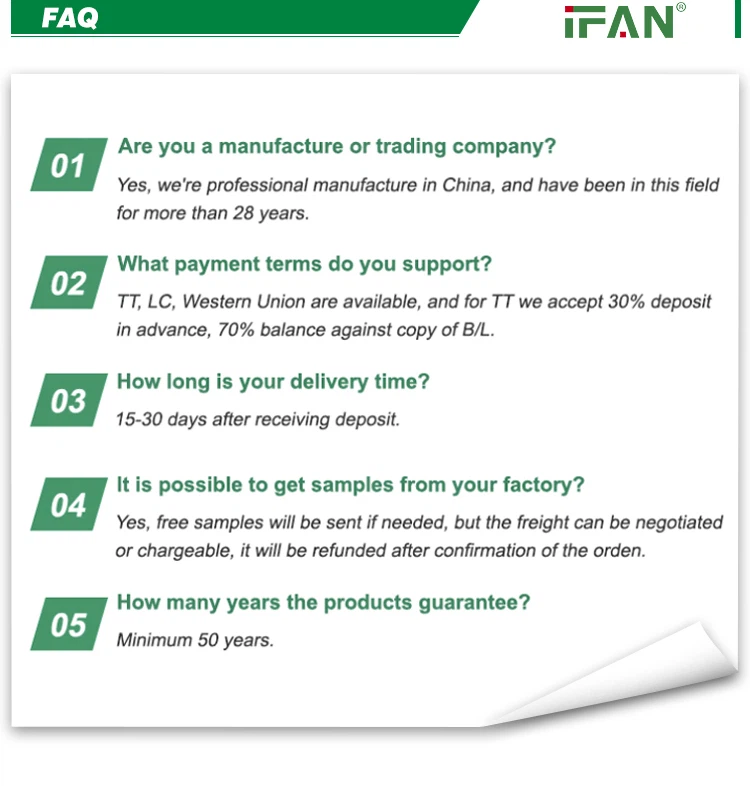
| Sample | Sample Free |
| Contact | Click HERE to contact us now! |
Welcome to contact IFAN, we are online 24 hours a day to answer your questions!
Introduction to HDPE Pipe Fittings
HDPE pipe fittings are widely used for modern plumbing and piping systems, especially in underground applications. HDPE stands for high-density polyethylene, a material known for strength, flexibility, and resistance to corrosion. These fittings connect HDPE pipes to form continuous, leak-free systems. Their flexibility allows them to handle ground movement and pressure without cracking. HDPE fittings are easy to install and require minimal maintenance over time. Often, they are used in systems that include outdoor components like the brass bibcock. This creates a complete underground-to-surface solution for water flow control in both residential and commercial systems.
Advantages for Underground Use
Underground environments are harsh and demand strong, durable materials. HDPE pipe fittings are ideal because they resist soil chemicals, moisture, and external loads. They don't rust, corrode, or degrade like metal pipes. HDPE can also expand slightly under pressure, absorbing stress rather than breaking. These features make HDPE fittings reliable for long-term underground use. When water needs to be accessed at the surface, a brass bibcock is often added to the system. The combination of HDPE underground and brass above ground offers excellent durability and performance in diverse environments, from homes to public infrastructure.
Resistance to Soil and Chemical Exposure
Underground pipes are constantly exposed to soil, minerals, and moisture. Many materials break down under these conditions. HDPE, however, resists chemical reactions and water absorption. It does not rot, rust, or get damaged by acids and salts found in soil. HDPE pipe fittings maintain structural integrity for decades underground. When paired with a brass bibcock, which also resists corrosion, the system remains functional in all types of soil. This makes HDPE ideal for use near farms, factories, and areas with challenging terrain. The materials work together to provide a safe, low-maintenance solution below and above ground.
Flexibility and Movement Tolerance
One of HDPE's best features is its ability to flex without cracking. Underground pipes often shift due to soil movement or heavy loads. HDPE pipe fittings can bend slightly and return to their original shape. This flexibility reduces the risk of joint failure and cracking. Fewer breaks mean less maintenance and fewer service disruptions. Brass bibcocks connected at access points are unaffected by these shifts because the HDPE system absorbs the stress. This flexibility is especially important in earthquake-prone areas or places with soft, shifting soils. HDPE provides a more secure, reliable underground piping solution.
Long-Term Leak Prevention
Leaks in underground systems can be expensive and difficult to detect. HDPE pipe fittings reduce this risk through fusion welding or tight mechanical seals. Fusion joints in HDPE systems are as strong as the pipe itself. They eliminate the weak points found in other materials. Once sealed, the joint becomes a permanent part of the pipe. This leak-free design is essential for underground use. Adding a brass bibcock at the surface allows safe, easy water control without compromising system integrity. This combination ensures that both deep and surface-level parts of the system remain watertight.
Compatibility with Brass Bibcock Connections
Though HDPE is often used underground, it must interface with surface fittings for user access. This is where the brass bibcock becomes essential. A brass bibcock connects to HDPE through a threaded or compression adapter. It allows for controlled water flow at access points such as gardens, fields, or utility areas. Brass resists rust and corrosion, even in outdoor environments. It also provides strong manual control for turning water on or off. By connecting the underground HDPE network to a brass bibcock, users benefit from both flexibility underground and strength above ground. This system is both reliable and easy to manage.
Installation Efficiency
Installing HDPE pipe fittings is simple compared to traditional underground pipe systems. Fittings can be joined using heat fusion, electrofusion, or mechanical couplings. These methods are faster and require fewer tools than metal pipe installation. HDPE's light weight reduces labor time and transportation costs. A brass bibcock can be easily added at designated access points using standard fittings. This setup makes the entire installation more efficient. It also allows for easy integration into existing systems. The speed and ease of HDPE and brass installations make them ideal for construction projects on tight schedules.
Strength Under Pressure
Underground pipes often carry water or waste under high pressure. HDPE pipe fittings are designed to handle this stress. They are rated for high-pressure systems and retain their shape under load. HDPE does not crack or break under pressure like some older materials. Brass bibcocks attached to these systems must also handle similar pressures. Brass is naturally strong and stable under high-pressure conditions. Together, HDPE and brass components create a high-performance system for underground fluid transport. This is important in municipal, industrial, and large agricultural applications where reliability is essential.
Environmental and Economic Benefits
HDPE pipe fittings offer significant environmental advantages. They are non-toxic, recyclable, and resistant to chemical leaching. This protects groundwater and surrounding soil. Their long life reduces the need for frequent replacement, lowering environmental impact. HDPE systems also conserve water by preventing leaks. Brass bibcocks further support sustainability due to their corrosion resistance and long service life. Economically, HDPE fittings reduce repair and maintenance costs over decades. The combined use of HDPE and brass offers a smart investment for property owners and infrastructure developers. These materials provide long-term value and peace of mind.
Conclusion
HDPE pipe fittings are the perfect choice for underground installations. They offer superior durability, leak resistance, and chemical protection. Their flexibility allows them to withstand soil movement and external pressure without damage. When paired with a brass bibcock at the surface, the entire system becomes stronger and more functional. This combination meets the needs of residential, commercial, and industrial users alike. HDPE and brass provide a seamless solution from underground pipework to accessible water control. Their performance, safety, and long-term reliability make them a smart choice for any underground plumbing system.