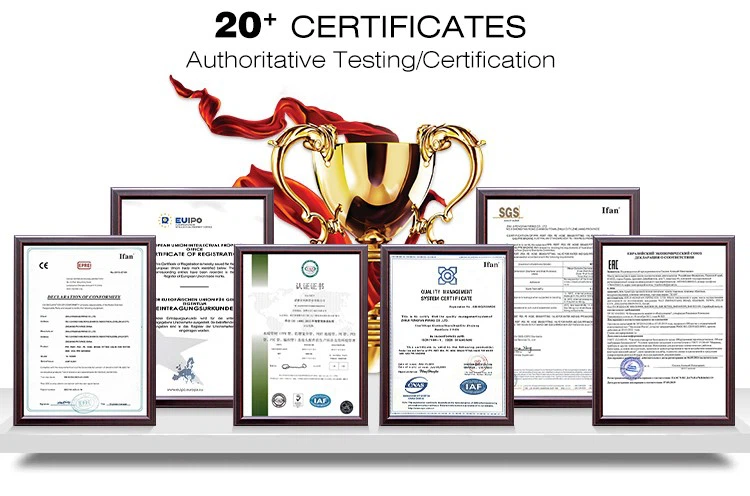
Introduction:
PEX (cross-linked polyethylene) pipes have gained popularity in plumbing due to their flexibility, durability, and ease of installation. However, as with any material, there are environmental considerations that come into play when evaluating their use. This article explores the environmental impact of PEX pipes, highlighting both the benefits and the challenges they present in terms of sustainability.

| Product Name | IFAN PEX Pipe |
| Standard | ASTM F2623,BS EN ISO 22391,DIN 16833,GBT28799,ISO 22391 |
| Size | 16-32mm |
| Color | White,Bule,Yellow,Orange,Grey,Red,Purple Or Customized |
| Connection | Compression/Press/Sliding Fittings |
| Length | 100-500M per roll |
| Sample | Sample Free |
| Contact | Click HERE to contact us now! |
Welcome to contact IFAN, we are online 24 hours a day to answer your questions!
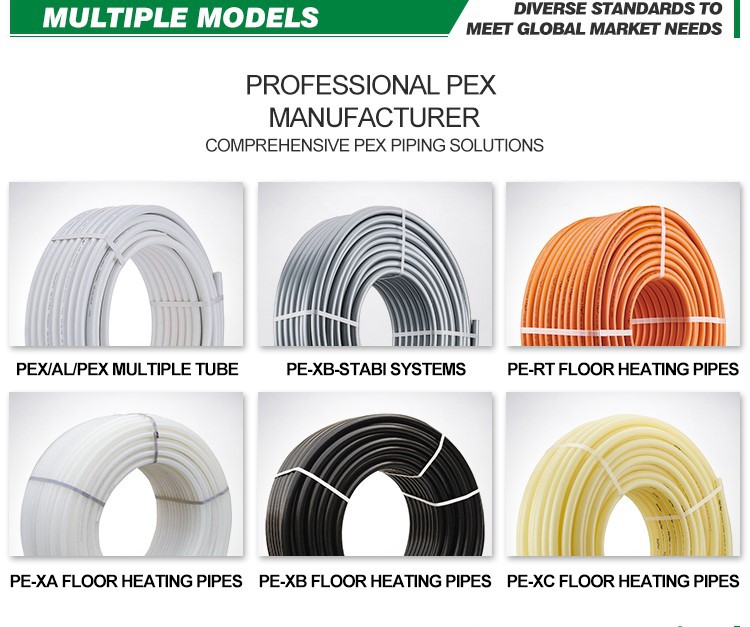
Manufacturing Process and Energy Consumption
One of the key concerns with PEX pipes is the energy consumption involved in their manufacturing. The production of PEX requires significant energy input, primarily due to the need for cross-linking the polymer. While the energy used is high, modern manufacturing techniques have improved the efficiency of production, and some manufacturers are increasingly adopting renewable energy sources for production. Nevertheless, it's important to consider the carbon footprint of producing PEX pipes compared to alternative materials like copper or PVC.
Durability and Longevity: A Positive Environmental Impact
A major advantage of PEX pipes is their durability. They are resistant to corrosion, scale, and chlorine, which significantly extends their lifespan. This longevity reduces the frequency of replacements and repairs, leading to less waste and a smaller environmental footprint over time. PEX pipes are also more flexible, which allows for fewer fittings and joints, further decreasing material use during installation.
Recycling Challenges for PEX Pipes
While PEX pipes are durable, recycling them at the end of their lifecycle poses a significant challenge. Unlike materials such as copper or PVC, which have established recycling systems, PEX is not widely recycled. The difficulty lies in the cross-linking process, which makes the plastic harder to break down and reuse. Some manufacturers are exploring new ways to recycle PEX pipes, but these efforts are still in the early stages, making it harder to fully assess the sustainability of PEX pipes from a recycling perspective.
Chemical Composition and Environmental Concerns
Another environmental concern associated with PEX pipes is their chemical composition. PEX pipes are made from polyethylene that undergoes a cross-linking process, and some types of PEX pipes can leach small amounts of chemicals into drinking water. While research indicates that the chemicals released are within safe limits, the potential impact on water quality and the environment remains a topic of ongoing study. Additionally, some PEX pipes contain additives that might not be environmentally friendly, further complicating the environmental impact assessment.
Conclusion: Weighing the Environmental Impact of PEX Pipes
In conclusion, PEX pipes offer significant environmental benefits in terms of longevity, reducing waste, and providing a reliable plumbing solution. However, challenges related to their production energy consumption, limited recyclability, and chemical composition need to be addressed. As technology advances and more sustainable practices are adopted, PEX pipes could become an even more environmentally friendly option in the future. It is essential for manufacturers and consumers to consider these factors when evaluating the environmental impact of PEX pipes.