
Introduction to PPH Pipe Fittings
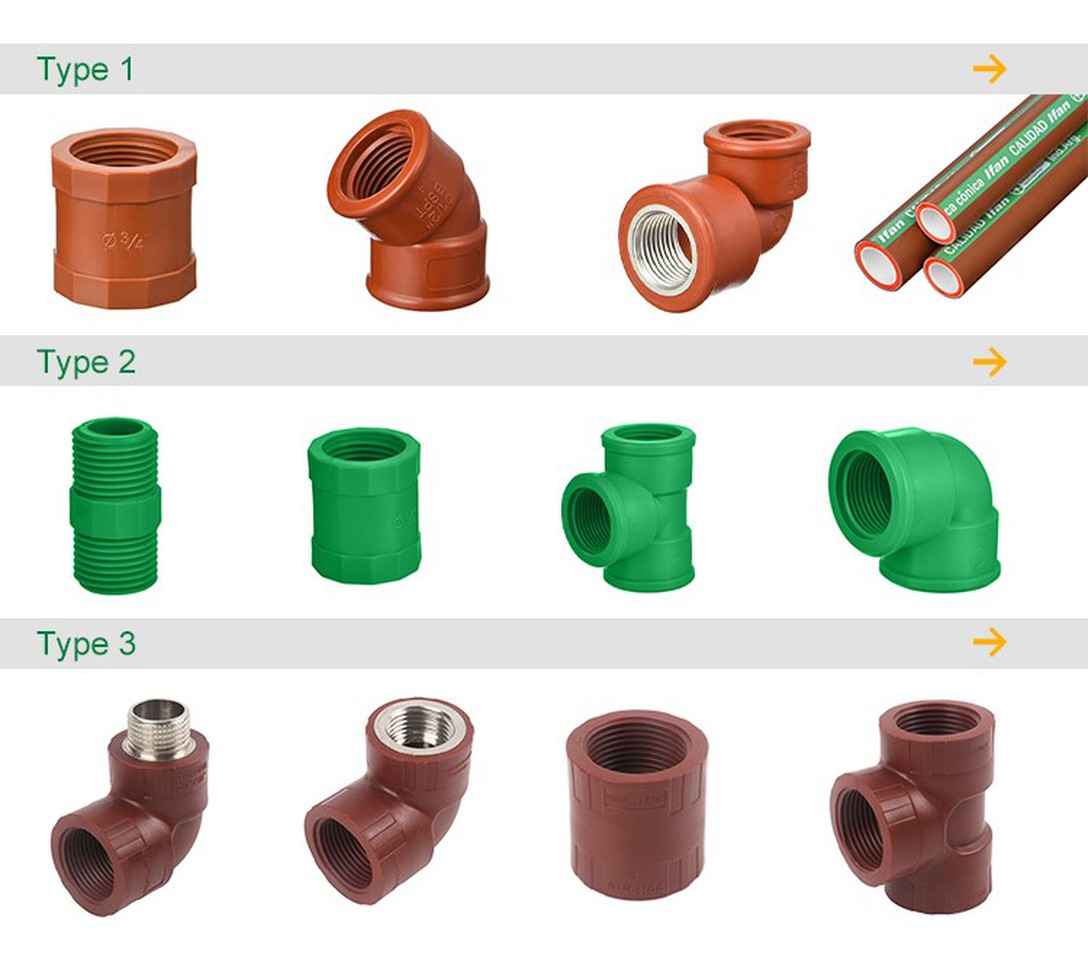
PPH (Polypropylene Homopolymer) pipe fittings are a type of plastic fitting widely used in various industrial and plumbing applications. Known for their chemical resistance, durability, and affordability, PPH fittings have become a popular choice in environments where corrosion and chemical compatibility are critical factors. This article explores the cost dynamics of PPH pipe fittings compared to other plastic and metal options, highlighting their advantages and cost-effectiveness.
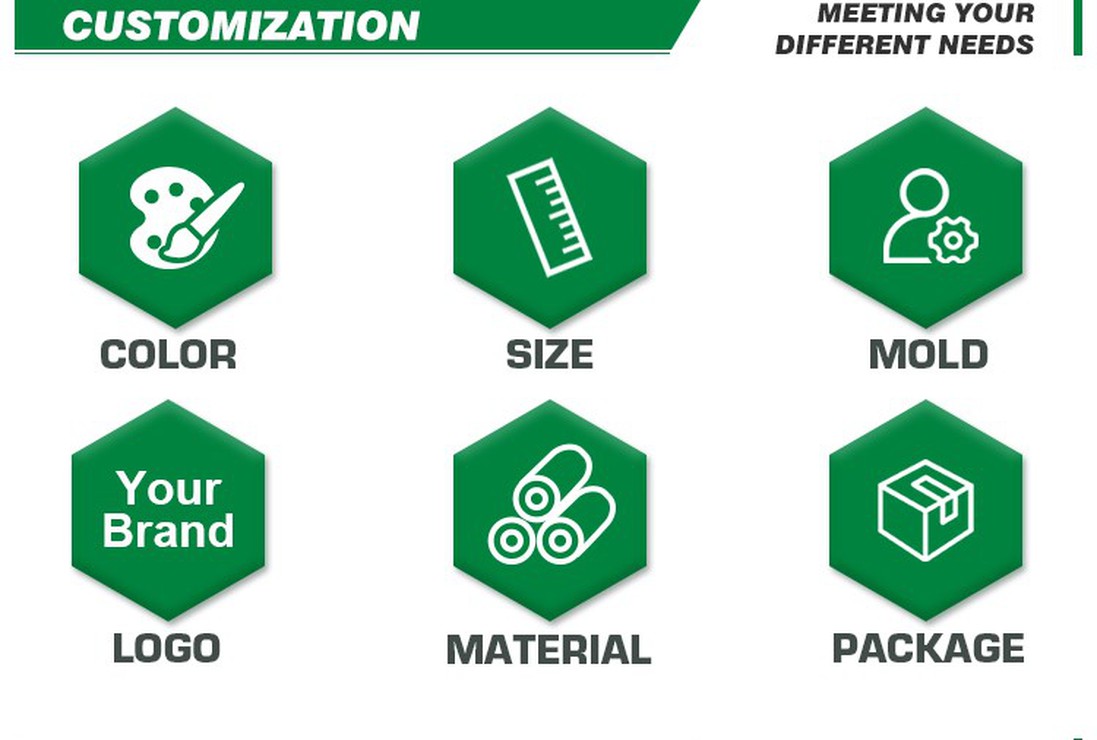
| Color | White,blue,black,grey,red,purple,orange or customized |
| Logo | Support |
| Sample | Free Sample |
| Package | IFAN Standard Package |
| Welcome to contact IFAN, we are online 24 hours a day to answer your questions! | |
Advantages of PPH Pipe Fittings
PPH pipe fittings offer several advantages over other materials. They are lightweight, making them easier to handle and install compared to metal fittings. Their excellent chemical resistance ensures longevity and reliability in corrosive environments, reducing maintenance costs over time. PPH fittings also boast a smooth internal surface that minimizes pressure loss and prevents scaling, contributing to energy efficiency in fluid transport systems.
Cost Comparison: PPH vs. Metal Pipe Fittings
When comparing costs, PPH pipe fittings often present significant savings over metal alternatives. While initial purchase costs of metal fittings may be lower, especially for materials like stainless steel or brass, PPH fittings excel in long-term cost-effectiveness. Metal fittings can corrode over time, requiring frequent replacements and maintenance, which add to overall lifecycle costs. In contrast, PPH fittings' durability and resistance to corrosion result in minimal maintenance and replacement expenses, making them a cost-effective solution over the lifespan of the system.
Cost Comparison: PPH vs. Other Plastic Pipe Fittings
Among plastic pipe fittings, PPH competes favorably in terms of cost-effectiveness. Compared to materials like PVC (Polyvinyl Chloride) or CPVC (Chlorinated Polyvinyl Chloride), PPH fittings offer comparable or superior chemical resistance at competitive prices. While initial costs of PVC fittings might be lower, especially for non-specialized applications, PPH fittings provide better performance in aggressive chemical environments, reducing the risk of failures and replacements that could incur additional costs over time.
Environmental and Sustainability Considerations
Beyond cost, environmental factors play a crucial role in material selection. PPH pipe fittings are recyclable, contributing to sustainability goals in construction and industrial projects. Their lightweight nature also reduces carbon footprint during transportation and installation compared to heavier metal fittings. Additionally, the manufacturing process for PPH fittings consumes less energy and emits fewer greenhouse gases compared to metal alternatives, aligning with environmentally friendly practices.
Application Versatility and Adaptability
PPH fittings are highly versatile and adaptable to various applications, ranging from industrial chemical processing to water distribution systems. Their wide temperature range tolerance and resistance to thermal expansion make them suitable for both hot and cold water applications. This adaptability ensures that PPH fittings can meet diverse project requirements without compromising performance or cost-effectiveness, making them a preferred choice across different industries.
Future Trends and Innovations
Looking ahead, advancements in PPH material technology and manufacturing processes are expected to further enhance their performance and cost competitiveness. Innovations may include improved chemical resistance, enhanced durability, and easier installation methods, which could drive broader adoption in new construction and retrofit projects. As industries continue to prioritize efficiency and sustainability, PPH fittings are poised to play a significant role in meeting these evolving demands.
Conclusion
In conclusion, the cost analysis of PPH pipe fittings demonstrates their superiority in terms of long-term cost-effectiveness compared to other plastic and metal options. Their durability, chemical resistance, and environmental benefits position PPH fittings as a reliable and economical choice for a wide range of industrial and plumbing applications. As industries strive for efficiency and sustainability, PPH fittings offer a compelling solution that combines performance, affordability, and environmental responsibility.