
When it comes to plumbing systems, selecting the right fittings is essential for ensuring reliable performance and longevity. PEX (cross-linked polyethylene) fittings have gained popularity in recent years, but how do they compare to traditional materials like copper and PVC? In this article, we'll compare PEX fittings to copper and PVC alternatives to determine which is best suited for various plumbing applications.
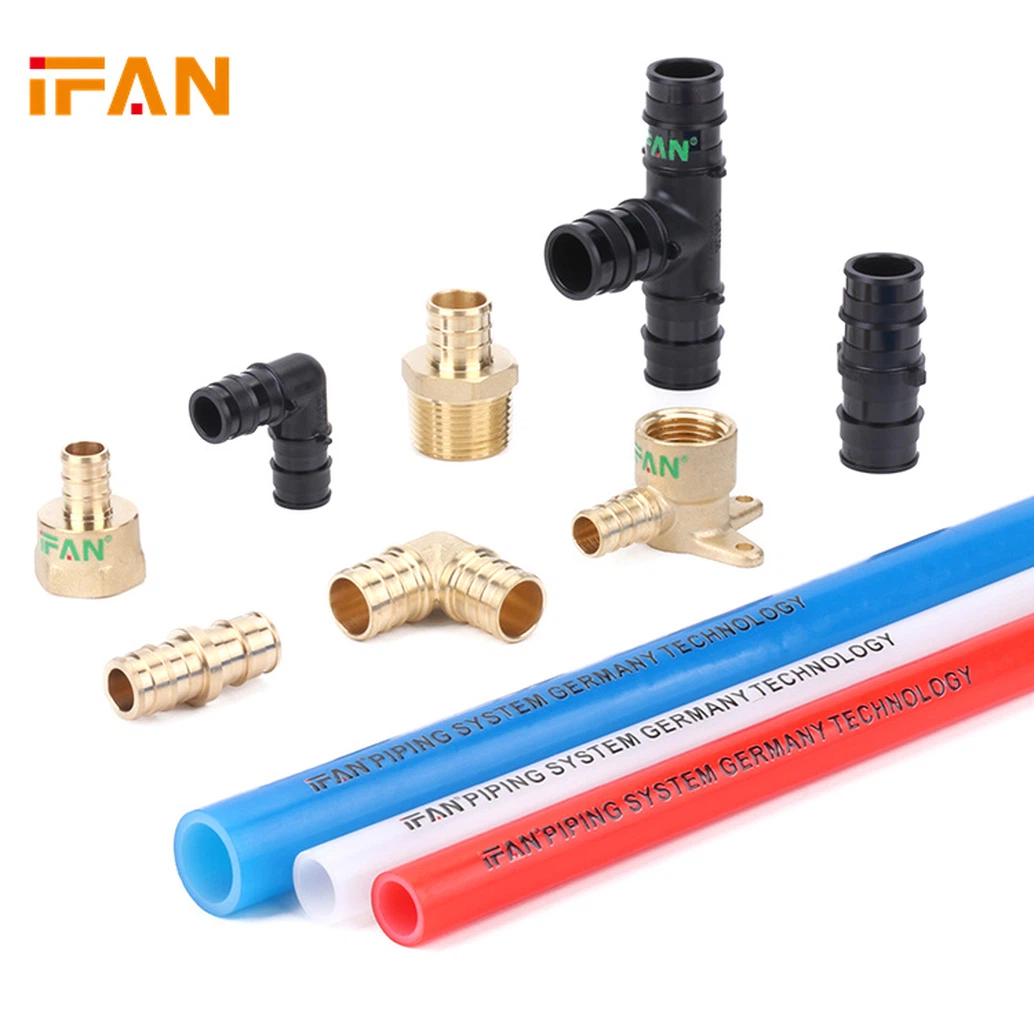
Cost Comparison: Affordability and Material Costs
One of the primary considerations when comparing PEX fittings to copper and PVC is the cost. PEX fittings are generally more affordable than copper fittings, making them an attractive option for budget-conscious homeowners and contractors. PVC fittings are also relatively inexpensive, but they may be more prone to cracking or breaking compared to PEX and copper.
Installation Ease: Time and Labor Efficiency
Another factor to consider is the ease of installation. PEX fittings are known for their ease of installation, requiring fewer tools and less time compared to copper fittings. PEX fittings can be installed using simple crimp, clamp, push-to-connect, or press methods, making them ideal for DIYers and professionals alike. Copper fittings, while durable, require specialized tools and soldering techniques for installation, which can be more time-consuming and labor-intensive. PVC fittings are relatively easy to install, but they may require solvent welding, which can be messy and time-consuming.
Durability and Longevity: Resistance to Corrosion and Wear
Durability is a crucial factor in determining the suitability of fittings for plumbing applications. PEX fittings are highly durable and resistant to corrosion, making them ideal for use in both hot and cold water systems. PEX fittings are also flexible, which allows them to withstand freezing temperatures and thermal expansion without cracking or breaking. Copper fittings are also durable and resistant to corrosion, but they may be susceptible to pinhole leaks over time. PVC fittings are durable but may degrade when exposed to UV light or certain chemicals, leading to brittleness and potential failure.
Performance in Various Applications: Versatility and Compatibility
The performance of fittings in different plumbing applications is another important consideration. PEX fittings are highly versatile and compatible with various PEX tubing types and sizes, making them suitable for a wide range of applications, including hot and cold water distribution, radiant heating systems, and hydronic heating systems. Copper fittings are also versatile but may be more limited in terms of compatibility with different tubing materials. PVC fittings are suitable for cold water applications but may not be suitable for hot water or high-pressure systems due to their lower temperature and pressure ratings.
Environmental Impact: Sustainability and Eco-Friendliness
Environmental considerations are becoming increasingly important in plumbing system design and construction. PEX fittings have a relatively low environmental impact compared to copper and PVC fittings. PEX is a recyclable material, and its manufacturing process consumes fewer resources and energy compared to copper. PVC fittings, while recyclable, are made from non-renewable fossil fuels and may release harmful chemicals during production and disposal.
In conclusion, when comparing PEX fittings to copper and PVC alternatives, there are several factors to consider, including cost, installation ease, durability, performance in various applications, and environmental impact. While each material has its advantages and disadvantages, PEX fittings offer a compelling combination of affordability, ease of installation, durability, versatility, and sustainability, making them a preferred choice for many plumbing applications. However, the best choice ultimately depends on the specific requirements of the plumbing project and the preferences of the homeowner or contractor.