
Selecting the appropriate pipe fittings is crucial for ensuring the efficiency and longevity of plumbing systems. PPR (Polypropylene Random Copolymer) and CPVC (Chlorinated Polyvinyl Chloride) are two widely used materials in modern plumbing. This article provides a comparative study of PPR and CPVC pipe fittings, focusing on their properties, advantages, applications, and limitations.
Material Composition and Properties
PPR Pipe Fittings
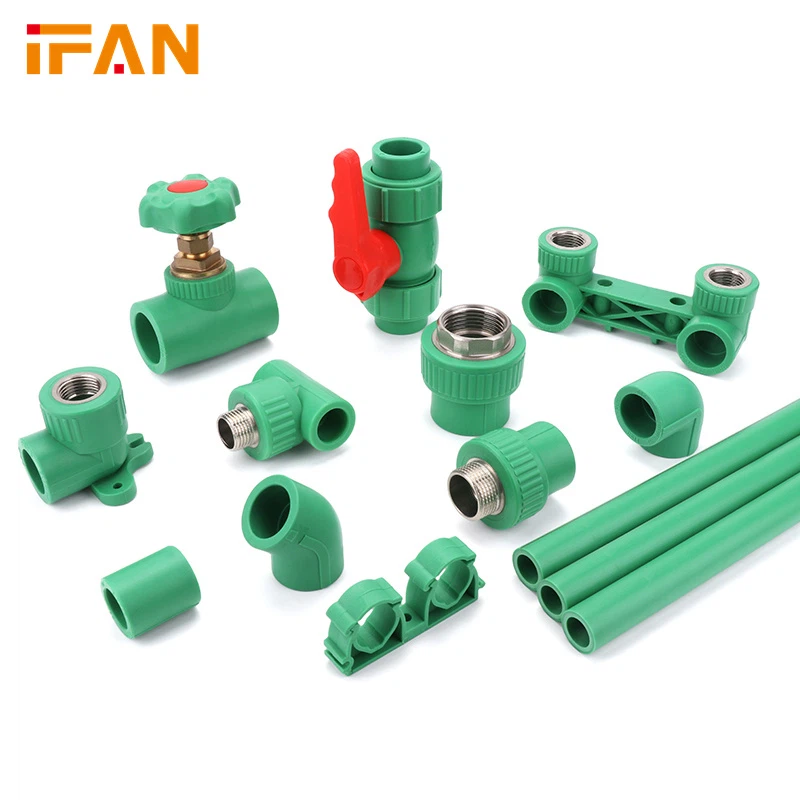
PPR pipe fittings are made from polypropylene random copolymer, a type of plastic known for its high resistance to pressure and temperature. PPR is highly durable, with excellent thermal stability and chemical resistance. It is commonly used in both hot and cold water supply systems.
CPVC Pipe Fittings
CPVC pipe fittings are made from chlorinated polyvinyl chloride, which is produced by chlorinating PVC resin. This modification gives CPVC enhanced resistance to high temperatures and corrosive chemicals. CPVC is also known for its strength and durability, making it suitable for a wide range of applications, particularly where higher temperature resistance is required.

Temperature and Pressure Resistance
PPR Pipe Fittings
PPR pipe fittings are highly resistant to both temperature and pressure. They can typically handle temperatures up to 95°C (203°F) and are suitable for high-pressure applications. This makes PPR an excellent choice for hot and cold water supply systems, as well as for heating systems.
CPVC Pipe Fittings
CPVC pipe fittings can withstand higher temperatures than PPR, with a maximum temperature resistance of around 200°F (93°C). CPVC also performs well under high pressure. Its ability to handle hot water makes it ideal for hot water distribution, industrial process piping, and fire sprinkler systems.
Chemical Resistance
PPR Pipe Fittings
PPR fittings offer good chemical resistance, making them suitable for a variety of applications involving different fluids. They are resistant to a wide range of acids, alkalis, and other chemicals, which adds to their versatility in plumbing systems.
CPVC Pipe Fittings
CPVC fittings excel in chemical resistance, particularly against acidic and alkaline substances. This makes CPVC a preferred choice for industrial applications where the piping system may be exposed to aggressive chemicals. It is also suitable for potable water systems due to its resistance to chlorinated water.
Installation and Maintenance
PPR Pipe Fittings
PPR fittings are relatively easy to install. The installation process typically involves heat fusion, which creates strong and leak-proof joints. PPR systems require specialized welding equipment, but once installed, they offer low maintenance and long service life.
CPVC Pipe Fittings
CPVC fittings can be installed using solvent cement welding, which is a straightforward process that does not require specialized tools. This method ensures strong and reliable joints. CPVC systems are known for their ease of installation and minimal maintenance requirements.
Cost and Availability
PPR Pipe Fittings
PPR fittings are generally cost-effective and widely available. The material cost is relatively low, and the long-term durability and reliability contribute to cost savings over time. PPR systems are commonly used in residential and commercial plumbing projects.
CPVC Pipe Fittings
CPVC fittings tend to be more expensive than PPR due to the higher cost of raw materials and manufacturing processes. However, the superior performance and durability of CPVC often justify the higher initial investment, particularly in demanding applications. CPVC is also readily available in various sizes and configurations.
Applications and Use Cases
PPR Pipe Fittings
PPR fittings are ideal for hot and cold water supply systems, heating systems, and industrial applications involving various fluids. They are commonly used in residential, commercial, and industrial buildings due to their versatility and reliability.
CPVC Pipe Fittings
CPVC fittings are preferred for hot water distribution, industrial process piping, and fire sprinkler systems. Their high-temperature resistance and excellent chemical resistance make them suitable for a wide range of demanding applications, including in the chemical and food processing industries.
Conclusion
Both PPR and CPVC pipe fittings offer distinct advantages depending on the specific requirements of the plumbing system. PPR fittings are cost-effective, versatile, and durable, making them suitable for a variety of applications. CPVC fittings provide superior temperature and chemical resistance, making them ideal for demanding industrial and hot water applications. By understanding the properties and benefits of each material, you can choose the most suitable pipe fittings for your project, ensuring optimal performance and longevity.