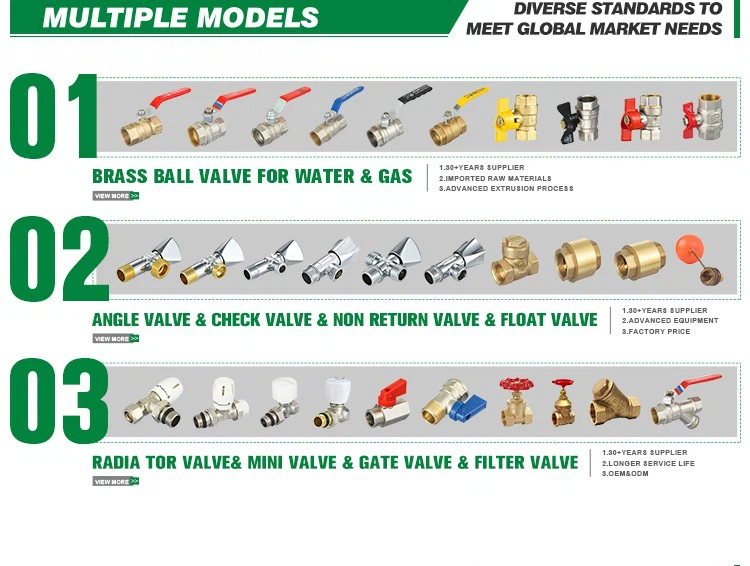
When it comes to controlling the flow of gas in residential, commercial, or industrial systems, choosing the right valve is crucial for both safety and performance. Brass gas valves are widely recognized for their reliability, durability, and corrosion resistance, making them an ideal choice for many gas applications. However, selecting the right brass gas valve involves considering several factors to ensure that the valve meets your system's specific needs.
In this article, we will discuss the key factors to consider when choosing a brass gas valve, the different types of brass gas valves available, and how to make an informed decision for your gas system's safety, efficiency, and functionality.

| Product Name | Brass Gas Valve |
| Color | Yellow&Silver or Customized |
| Size | 1/2''-2'' |
| OEM | Support |
| Sample | Free |
| Experience | 30+Years |
| Contact Us | Click HERE to contact us now!we are online 24 hours a day to answer your questions! |
Welcome to contact IFAN, we are online 24 hours a day to answer your questions!
1. Understanding Brass Gas Valves
A brass gas valve is a device used to control the flow of gas through a pipeline or system. It is typically made from an alloy of copper and zinc, known as brass, which is highly valued for its corrosion resistance, strength, and ability to withstand high pressures and temperatures. Brass valves come in various designs, including ball valves, gate valves, globe valves, and check valves, each of which is suited for different applications and types of gas systems.
Brass is particularly well-suited for gas valves because of its excellent sealing properties, ease of manufacture, and long lifespan. Unlike other metals, brass does not rust or corrode as easily, which is important in maintaining the integrity of gas systems over time.
2. Factors to Consider When Choosing a Brass Gas Valve
Selecting the right brass gas valve requires careful consideration of several factors to ensure it performs optimally in your specific gas system. Below, we will explore the key factors to take into account during the selection process.
a. Gas Type
The type of gas you are working with plays a crucial role in determining the kind of valve you need. Different gases can have different chemical properties, such as viscosity, pressure, and temperature requirements, which influence the valve material and design.
For example:
Natural Gas: Often used in residential and commercial applications, natural gas has a relatively low pressure and is typically delivered at temperatures close to ambient. However, natural gas can still cause corrosion over time, so you need a corrosion-resistant valve like brass that can handle extended exposure to gas without degrading.
Propane: This is typically stored and used at higher pressures than natural gas, and its liquid form at ambient temperature can put extra stress on valves. Brass valves are commonly used in propane systems because of their ability to withstand high pressures and resist corrosion.
Industrial Gases: In industrial settings, gases like oxygen, nitrogen, hydrogen, and other chemicals may require specialized valves made of brass or other alloys. The gas type and pressure requirements must be carefully considered to select a valve that will maintain safety and efficiency.
Always ensure that the brass gas valve you choose is compatible with the specific type of gas you are using.
b. Pressure Rating
Pressure is one of the most important factors to consider when selecting any type of valve. Brass gas valves are available in different pressure ratings, so it's essential to choose one that is rated for the pressure levels in your system.
Gas systems can vary widely in pressure:
Low Pressure: Some gas systems, such as residential natural gas systems, operate at relatively low pressures, typically between 0.25 and 2 psi. A standard brass valve with a lower pressure rating would be sufficient for these applications.
High Pressure: Systems like propane installations or industrial gas pipelines require valves capable of withstanding higher pressures, often up to several hundred psi. For these applications, you need to select brass valves that are specifically rated for high-pressure use, often marked with pressure certifications such as ANSI (American National Standards Institute) ratings.
Ensure that the valve is designed to handle the maximum pressure of your system to prevent leaks, valve failure, or potential accidents.
c. Temperature Range
Brass valves are known for their ability to withstand a wide range of temperatures, but it's important to choose a valve that can perform within the temperature limits of your gas system.
Gas systems can experience fluctuating temperatures depending on the environment and system type:
Low-Temperature Systems: In colder climates, brass valves can perform well in environments with freezing temperatures, as brass is not prone to cracking in cold weather.
High-Temperature Systems: For systems dealing with high temperatures, such as industrial gas boilers, furnaces, or gas-powered machinery, brass's heat resistance comes into play. Brass typically performs well in temperatures ranging from -50°F (-45°C) to around 350°F (175°C), though high-temperature variants may be required for extreme conditions.
Choosing a brass valve that is designed to handle the specific temperature range of your system is essential to ensuring smooth operation and preventing premature wear or failure.
d. Valve Type
There are several different types of brass gas valves, each with its own design and purpose. The most common types of brass gas valves include:
Ball Valves: Ball valves use a rotating ball with a hole through the center to control the flow of gas. These are the most common type of gas valve due to their quick shut-off, ease of use, and reliable performance in both high and low-pressure systems. Ball valves are particularly well-suited for residential and commercial applications where fast operation and space-saving design are important.
Gate Valves: Gate valves are designed to completely shut off the gas flow when fully closed, providing a reliable and tight seal. These valves are often used when gas flow needs to be controlled or isolated for maintenance or repair. Gate valves may take longer to open or close compared to ball valves but are ideal when a complete shutoff is required.
Globe Valves: Globe valves allow for more precise control of gas flow than gate valves, making them ideal for situations where regulation of flow is necessary. Globe valves are often used in more complex industrial applications where fine-tuning of gas flow is required.
Check Valves: These valves are used to prevent backflow in gas systems. Check valves automatically close when the gas flow reverses, preventing damage to the system and maintaining safety. Brass check valves are often used in high-pressure systems where preventing backflow is crucial.
When choosing the valve type, consider how the valve will be used-whether for on/off control (ball or gate valves), precise flow regulation (globe valves), or backflow prevention (check valves).
e. Size and Flow Rate
The size of the valve plays a significant role in determining the flow rate of gas through the system. Brass gas valves come in a range of sizes, typically from ¼-inch to 2 inches in diameter or more. The size of the valve should match the size of the pipe in the system to ensure that gas flows efficiently without causing unnecessary pressure drops or creating bottlenecks.
To determine the correct size, consider the following:
Gas Flow Requirements: The valve must be sized to match the required flow rate of the gas. An undersized valve will restrict gas flow, causing pressure issues, while an oversized valve may lead to inefficient operation.
Pipe Size: The valve size should match the diameter of the pipeline to prevent any irregularities in flow. It's important to select a valve that fits the overall system design.
Choosing the right valve size is crucial to maintaining optimal gas flow and system efficiency.
f. Sealing and Leak Prevention
A crucial aspect of any gas valve is its sealing performance. Gas systems require tight seals to prevent leaks, which could lead to dangerous situations. Brass is an excellent material for gas valves because it naturally forms a tight seal and is resistant to corrosion, which can otherwise compromise the sealing ability of other materials.
Additionally, check the following features when selecting a brass valve:
Threaded Connections: Some brass gas valves use threaded connections that require Teflon tape or pipe sealant to ensure leak-free operation.
Compression Fittings: Compression-style fittings are also available on brass gas valves, offering a secure seal without the need for extra sealants.
Choosing a valve with superior sealing properties will reduce the risk of gas leaks, making the system safer and more efficient.
3. Regulatory Compliance
Finally, ensure that the brass gas valve you choose complies with local, national, or international safety standards and regulations. Regulatory bodies such as the American Society of Mechanical Engineers (ASME), the National Fire Protection Association (NFPA), and the American National Standards Institute (ANSI) set guidelines for gas valve performance, material requirements, and safety features.
Choosing valves that meet these regulations ensures that your gas system is compliant with legal and safety requirements, minimizing the risk of accidents, leaks, and other hazardous situations.
Conclusion
Selecting the right brass gas valve requires careful consideration of several factors, including the type of gas, pressure, temperature, valve design, size, and sealing properties. Brass gas valves offer excellent durability, corrosion resistance, and reliability, making them a top choice for residential, commercial, and industrial gas systems.
By understanding your system's specific requirements and matching those with the appropriate valve characteristics, you can ensure a safe, efficient, and long-lasting solution for controlling the flow of gas. Whether you need a quick on/off valve for a residential system or a precise flow regulator for an industrial application, choosing the right brass gas valve will keep your gas system functioning optimally and safely.