
Introduction to Brass Ball Valves
Brass ball valves control fluid flow in pipelines. People use them widely in plumbing. They offer simple on-off operation. Many industries prefer these valves.
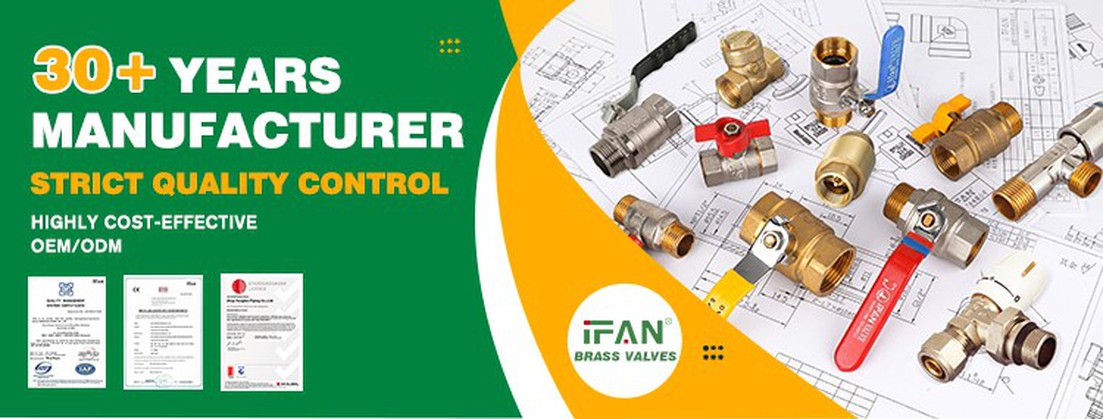
|
Product Name |
Brass Gas Valve |
|
Color |
Yellow&Silver or Customized |
|
Size |
1/4''-4'' |
|
OEM |
Support |
|
Sample |
|
|
Experience |
30+Years |
|
Contact Us |
Click HERE to contact us now!we are online 24 hours a day to answer your questions! |
Welcome to contact IFAN, we are online 24 hours a day to answer your questions!
Material Composition Details
Brass contains copper and zinc. This alloy provides excellent durability. It resists corrosion effectively. Manufacturers often add lead for machinability. The material conducts heat well.
Design and Construction
A spherical ball sits inside the valve. The ball has a hole through it. Turning the handle rotates the ball. This action opens or closes the flow. Seals made of PTFE prevent leaks.
Comparison with Stainless Steel Valves
Stainless steel valves cost more money. Brass valves offer better affordability. Stainless handles corrosive fluids better. Brass suits water applications perfectly. Both types provide long service life.
Advantages in Corrosion Resistance
Brass fights rust in water systems. It performs well in moderate environments. Users see fewer failures over time. This material avoids galvanic corrosion. Regular maintenance stays minimal.
Pressure and Temperature Ratings
Brass valves handle up to 600 PSI. They work in temperatures to 400°F. These ratings meet most residential needs. Higher pressures may require metal upgrades.
Common Applications
Home water systems use brass valves. They appear in irrigation setups. Gas lines employ them safely. Industrial machines incorporate these valves. DIY projects often include them.
Installation and Usage Tips
Installers should use thread sealant. They must tighten connections properly. Avoid over-tightening the handle. Always check for leaks after installation. Follow manufacturer instructions closely.
Durability and Lifespan
Brass valves last many years. They withstand frequent cycling. Proper use prevents early wear. Harsh chemicals can damage them. Routine inspections extend life.
Cost-Effectiveness
Brass valves provide great value. Buyers save money initially. Replacement costs remain low. They offer reliability without high expense. Many brands compete on price.
Conclusion
Brass ball valves deliver robust performance. They excel in cost-effective scenarios. Users benefit from their simplicity and durability. Choose brass for reliable fluid control.

|


