


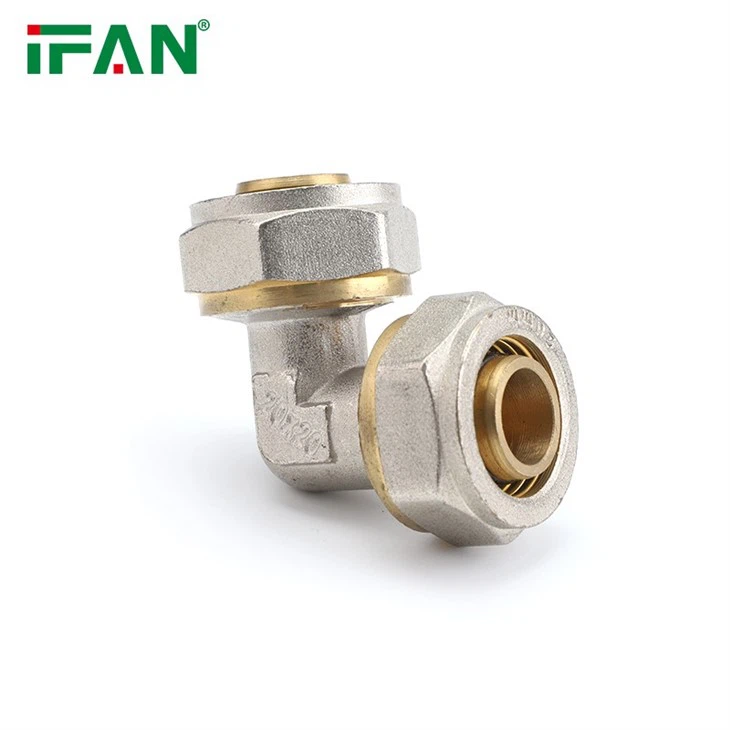
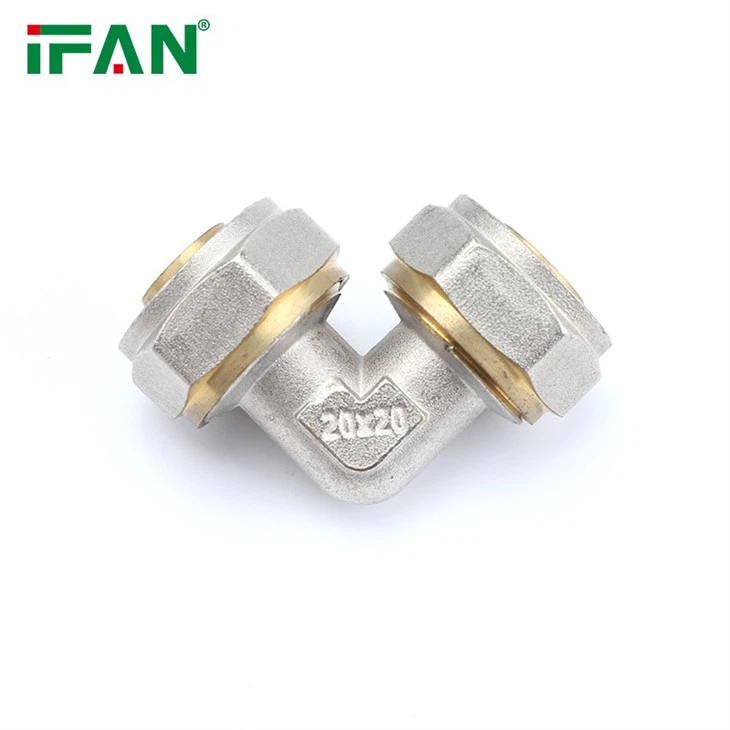
Avoid Costly Repairs Using Pex Compression Fittings
Brand:IFAN/OEM
Applications:Potable Water Systems/Radiant Heating Systems/Hydronic Heating Systems/HVAC Systems/Geothermal Systems
Color:Silver,Double Color Or Customized
Send Inquiry
Product Details ofAvoid Costly Repairs Using Pex Compression Fittings


|
Product Name |
IFAN Pex Compression Fittings |
| Size | 16-32mm |
| Color | Golden And White or Customized |
| Brand | IFAN |
| Sample | Sample Free |
| Contact | Click HERE to contact us now! |
Welcome to contact IFAN, we are online 24 hours a day to answer your questions!
Identify Early Warning Signs
Preventing costly plumbing repairs begins with recognizing early signs of potential failure. Leaks, drips, or slight discoloration near fittings often indicate connection stress or material fatigue. Ignoring such warnings can lead to pressure build-up, which increases the risk of sudden bursts. Regular inspections, especially after temperature fluctuations, help detect these minor issues before they escalate. Homeowners should also pay attention to unusual water pressure changes. These fluctuations can strain compression joints, eventually leading to leaks. Timely identification allows for immediate tightening or part replacement, reducing future expenses and water damage risks.
Conduct Regular Maintenance Checks
Routine maintenance is essential to keeping plumbing systems reliable. Checking PEX compression fittings every few months ensures secure connections and consistent performance. During inspection, verify that fittings remain firmly seated and free of corrosion or buildup. Even small traces of mineral deposits can cause seal degradation over time. A gentle cleaning with a soft brush helps maintain joint integrity. Additionally, ensure that pipes are properly supported and not under stress. Mechanical tension or pipe movement can loosen compression rings, leading to minor leaks that worsen gradually. A regular maintenance plan minimizes sudden breakdowns and expensive emergency repairs.
Control Water Pressure Levels
Unstable or excessive water pressure contributes to system wear and premature fitting failure. To avoid damage, install a reliable pressure regulator and monitor readings periodically. Ideal residential pressure typically ranges between 40 and 60 psi. If levels exceed this range, fittings may experience stress, causing leaks or deformation. Over time, even high-quality fittings can fail under constant pressure strain. Regular calibration of pressure regulators ensures consistent performance and protects the plumbing system. Maintaining balanced water pressure not only prevents costly leaks but also extends the lifespan of connected fixtures. Preventive pressure management remains a key factor in long-term plumbing reliability.
Avoid Over-Tightening Connections
Over-tightening is one of the most common causes of fitting damage. While a secure seal is necessary, excessive torque can deform compression rings or crack the fitting body. Once damaged, the joint may leak slowly, leading to hidden water accumulation within walls or floors. Always follow manufacturer torque recommendations and use appropriate tools. Hand tightening, combined with a gentle wrench adjustment, is usually sufficient. During installation, inspect each connection for proper alignment to ensure even compression. This simple precaution prevents micro-fractures and preserves the sealing capacity. Avoiding over-tightening helps maintain system stability and prevents expensive repair interventions later.
Protect Fittings from Environmental Stress
Temperature changes, UV exposure, and vibration can degrade fittings over time. To prevent stress damage, insulate exposed sections of piping and fittings. In cold environments, insulation prevents expansion-related cracking. In warmer climates, protection from direct sunlight helps maintain material strength. Additionally, ensure fittings are not located near heavy machinery or vibrating appliances. Constant vibration can loosen compression rings and weaken seals. Proper installation positioning greatly reduces the likelihood of wear-related failure. Environmental protection not only safeguards fittings but also ensures long-term cost savings by avoiding large-scale replacement projects.
Replace Worn Components Promptly
Ignoring worn or corroded components can lead to system-wide problems. A small fitting failure can cause extensive water damage, resulting in high repair costs. During inspections, check for discoloration, cracks, or irregular surface textures. These visual cues often signal degradation or stress. Replace questionable parts immediately rather than waiting for failure. Replacement takes little time compared to repairing structural water damage. Using compatible, high-quality replacement fittings ensures continued performance. By addressing small issues quickly, homeowners avoid larger, more expensive repairs that could compromise the entire plumbing system. Preventive replacement remains a cornerstone of long-term cost control.
Monitor System Performance Regularly
Consistent system monitoring helps detect inefficiencies before they develop into serious issues. Keep track of water pressure readings and flow rates. Any sudden drop may indicate a small leak or partial obstruction near a fitting. Installing a leak detection system provides additional protection and early warning. Monitoring tools can alert homeowners to irregularities even before visible signs appear. Early action prevents internal damage and minimizes repair costs. By maintaining a simple record of readings, users can identify gradual performance changes and act accordingly. Ongoing vigilance is crucial for avoiding costly emergency repairs and preserving plumbing reliability.
Use Correct Installation Techniques
Incorrect installation practices often result in leaks and premature fitting failure. Following proper procedures ensures durable, leak-free connections. During installation, verify that the pipe ends are clean, smooth, and cut squarely. Misaligned pipes can cause uneven compression, leading to small leaks under pressure. Ensure the fitting components are assembled in the correct order, and tighten them evenly. Proper technique minimizes stress on the fitting and extends service life. Training installers or consulting professionals for guidance reduces long-term repair risks. Consistent adherence to correct installation practices remains essential for maintaining a dependable and cost-efficient plumbing system.
Prevent Hidden Leaks with Regular Testing
Hidden leaks can cause structural damage long before they are visible. To prevent this, schedule regular leak tests using simple pressure checks or moisture sensors. Testing after system changes ensures that all connections remain secure. Minor leaks detected early can often be repaired without major expense. Moisture sensors placed near fittings provide real-time alerts when leaks occur. By addressing issues immediately, homeowners avoid wall, floor, or ceiling damage that leads to extensive renovation costs. Preventive leak testing is a small investment that protects against high repair bills and long-term water waste.
Keep Detailed Maintenance Records
Documenting maintenance activities helps track system health and identify recurring issues. Record inspection dates, fitting replacements, and pressure readings. Over time, these notes reveal patterns and help predict potential failures. If a particular area experiences repeated leaks, it may indicate an installation or material problem. Timely adjustments based on these records reduce future breakdowns. Maintenance logs also help professionals understand system history during service visits, improving diagnostic accuracy. Organized recordkeeping transforms maintenance from reactive to proactive, preventing costly surprises and supporting consistent plumbing performance. Good documentation practices are simple yet effective tools for avoiding repair expenses.
Final Thoughts
Avoiding costly repairs using PEX compression fittings requires consistent attention, early detection, and preventive maintenance. Each small action-tightening properly, monitoring pressure, replacing worn parts-contributes to overall system reliability. By following disciplined maintenance routines and observing environmental factors, homeowners can prevent leaks and extend the lifespan of their plumbing system. The cost of regular checks is minimal compared to emergency repairs or water damage restoration. A proactive approach ensures peace of mind, efficiency, and long-term savings for any plumbing setup. Preventing problems before they start remains the most effective strategy for avoiding unnecessary repair costs.


Hot Tags: avoid costly repairs using pex compression fittings, China avoid costly repairs using pex compression fittings manufacturers, suppliers, factory, Brass Compression Fitting Male Socket, Brass Compression Fitting Socket, Brass Compression Fitting Tee, Brass Press Fitting Elbow, Brass Press Fitting Male Elbow, Brass Press Fitting Tee
Send Inquiry
